
Flowers
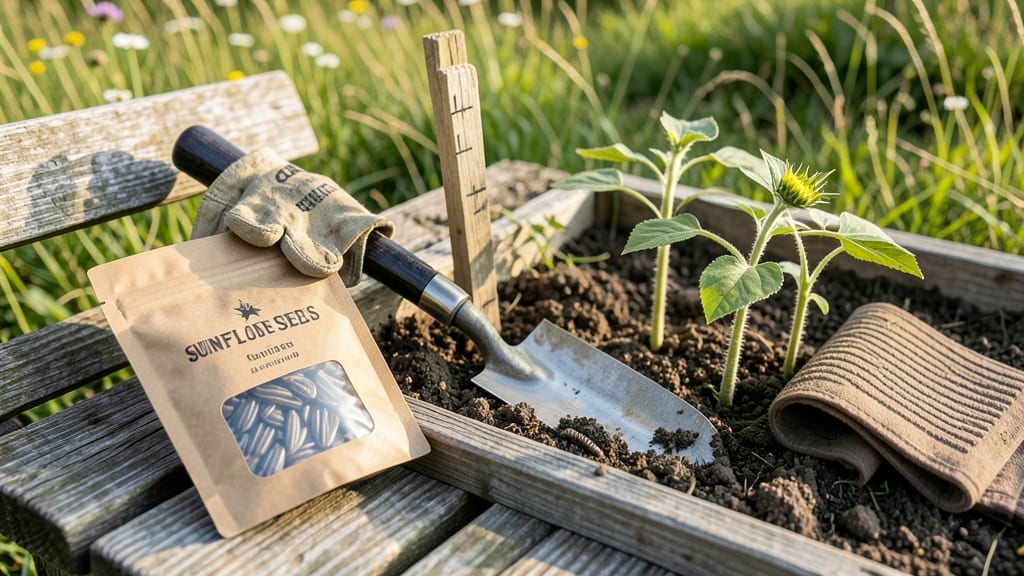
To plant sunflowers in Kentucky, aim for mid-April through early June when soil warms to 55°F and frost risks fade—though your exact timing depends on whether you’re in 6a or 7b.
Picture this: you’ve prepped the soil, scattered seeds, and watered them in—only for a late frost to nip those delicate sprouts before they even reach for the sun. Timing is everything in Kentucky’s unpredictable climate, where elevation and microclimates can shift frost dates by weeks.
Most gardeners in Kentucky’s USDA 6a-7b zones wait until after the average last frost (around April 15), but cooler pockets like the Appalachian foothills may need a head start indoors. Meanwhile, urban heat islands in Louisville or Lexington can push planting back a few weeks without fear.
Below, I’ll break down the frost-date cheat sheet by county, soil prep tricks to speed up germination, and how to choose sunflower varieties that thrive in Kentucky’s 165-day growing season—so you can go from seed to 10-foot-tall blooms without a hitch.
Kentucky sunflower planting dates by heat zone (frost-date cheat sheet)
Kentucky’s diverse climate—spanning USDA zones 6a through 7b—means your sunflower planting timeline should match your county’s last frost date. In cooler northern regions like Hopkins or Carroll counties (6a), you’ll need to start seeds indoors by mid-March for outdoor transplanting after April 15.
Meanwhile, southern areas like Calloway or Christian counties (7b) can sow directly into warm soil as early as mid-March with minimal frost risk.
Sunflowers thrive in Kentucky’s long, sunny summers, but late spring frosts (common in zone 6a) can devastate young seedlings. The key is planting after your area’s average last frost date, which ranges from April 1-15 in northern Kentucky to March 15-April 1 in the south.
For maximum yield, aim to have mature plants established by early June to avoid summer heat stress.
Here’s your county-by-county planting guide, organized by heat zone and last frost date. Use this as your cheat sheet to time your sunflower seeds for towering blooms and abundant seed production.
| County (Zone) | Avg Last Frost | Direct Sow Window | Transplant Window | Late Season Option |
|---|---|---|---|---|
| Hopkins (6a) | April 15 | May 1-15 | April 20-May 5 | June 1-10 (dwarf varieties) |
| Boone (6b) | April 1 | April 20-May 10 | April 10-April 25 | June 1-15 |
| Fayette (7a) | March 20 | March 25-April 15 | March 30-April 10 | June 15-20 |
| Calloway (7b) | March 15 | March 10-April 5 | March 20-April 1 | June 20-25 |
| Christian (7b) | March 15 | March 15-April 10 | March 25-April 5 | June 20-25 |
For northern Kentucky (zones 6a-6b), I recommend starting seeds indoors by mid-March to give them a head start. Use biodegradable pots and transplant seedlings after the last frost, spacing them 12-24 inches apart depending on the variety.
In southern Kentucky (zones 7a-7b), you can sow directly outdoors as early as late March, but cover young plants with frost blankets if late frosts threaten.
If you miss the ideal window, don’t despair! Sunflowers are fast-growing annuals that can still thrive with a late-season planting. In zone 6a, try sowing dwarf varieties like Teddy Bear in early June for fall blooms.
In zone 7b, you can even plant ProCut varieties as late as June 15 for late-summer harvests. Just be prepared for slightly smaller blooms if planted after mid-June.
Pro tip: Use black plastic mulch to warm the soil faster in cooler zones, or straw mulch to retain moisture in hotter southern counties. This helps extend your planting window by 1-2 weeks in both directions. Always test soil temperature—sunflowers need soil at 55°F or warmer to germinate properly.
For maximum height and seed production, aim to have sunflowers fully established by early June. This gives them 100+ days of warm weather to mature before Kentucky’s first frost (typically October 15). In zone 6a
How to adjust planting time for Kentucky’s microclimates and soil conditions
Kentucky’s humid subtropical climate and varied elevations create microclimates where a 30-day difference in frost dates can mean the difference between thriving sunflowers and lost seeds.
In 6a zones like Eastern Kentucky, late frosts linger until May 10, while 7b areas like Western Kentucky often see frost-free soil by April 15. This variation means you can’t rely on a one-size-fits-all approach.
Even within the same county, urban heat islands in cities like Louisville can push planting back 2-3 weeks compared to rural areas. Meanwhile, Appalachian foothills may need indoor starts to avoid frost damage.
The key is understanding your local microclimate and adjusting planting times accordingly to maximize the 165-day growing season Kentucky offers.
⚠️ callout-warning ⚠️
🌡️ Kentucky’s Frost Risk Zones
Eastern Kentucky (6a): Late frosts can hit May 10-15—wait until May 1 for outdoor planting unless you use row covers. Western Kentucky (7b): Safe to plant by April 15, but heatwaves in July may stress sunflowers without shade cloth.
Urban Areas: Pavement raises temps by 5-10°F, extending the growing season by 10-14 days. Monitor soil temps with a thermometer—aim for 55°F+ for germination.
To extend your planting window, start seeds indoors 2-3 weeks before your last frost date. Use biodegradable pots to transplant seedlings without disturbing roots.
For outdoor planting, amend heavy clay soils with compost or sand to improve drainage, as Kentucky’s humid climate can lead to root rot if water pools around seeds.
Mulching with straw or wood chips after germination helps retain moisture and regulate soil temperature. In hotter microclimates, apply mulch early to prevent soil from overheating, which can stunt growth. For cooler areas, use black plastic mulch to absorb heat and speed up germination by 5-7 days.
If summer heatwaves arrive early, provide afternoon shade for young plants to prevent wilting. Mature sunflowers handle heat well, but seedlings need protection until their roots establish.
In drought-prone areas, water deeply once a week instead of daily to encourage deep root growth, which helps sunflowers withstand Kentucky’s unpredictable summer rains.
For a second planting, try late June in 7b zones for fall blooms, but avoid planting after July 15 in 6a areas—sunflowers need 70-100 days to mature, and frost can arrive as early as October 15.
Always check your local USDA frost map and adjust for your microclimate to ensure your sunflowers reach their full 10-14 foot potential. 🌻