
Flowers
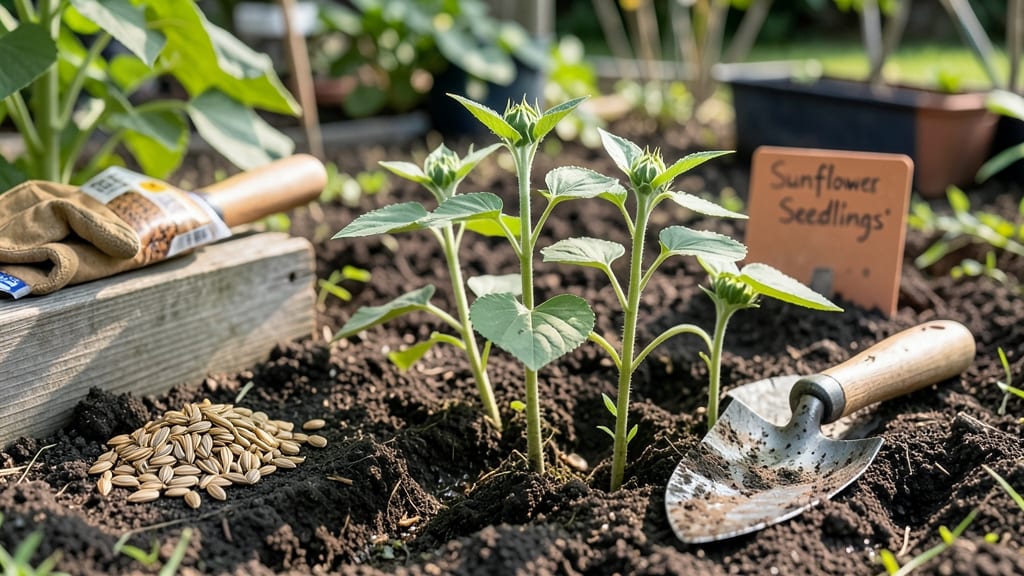
Planting sunflowers in Mississippi at the right time means the difference between sunflower giants and sad, stunted stems 🌻 — and the window is narrower than you’d think.
Mississippi’s long, hot summers aren’t just perfect for sunflowers—they’re essential for their towering growth and vibrant blooms. But timing your planting wrong can mean wilting before they shine.
Most gardeners in USDA Zones 7-8 wait until after the last frost (usually mid-March to early April), but that’s only half the story. Late spring plantings can bolt in the heat, while early starts risk frost damage.
Here’s the exact heat-zone schedule Mississippi gardeners need to maximize sunflower success, including soil prep, frost risk, and the best varieties for your region’s humidity and heat.
Mississippi’s sunflower planting zones by month: a heat-tolerant timeline
Sunflowers thrive in Mississippi’s USDA zones 7-8, where long summers and high humidity create ideal conditions for their rapid growth. But timing matters—plant too early, and late frosts in Northern Mississippi (like Tupelo) can kill seedlings.
Plant too late, and Southern Mississippi (like Biloxi) may see heat stress before blooming. Here’s the precise schedule tailored to your region.
Northern Mississippi (Zones 7a-7b) has last frost dates between March 15-April 1, while Southern Mississippi (Zones 8a-8b) rarely sees frost after February 15. This means gardeners in Biloxi can start earlier, but Tupelo must wait until soil warms.
Let’s break it down by month for spring and fall planting.
For spring planting, aim to sow seeds when soil temperatures hit 60°F or warmer. In Northern Mississippi, this typically means waiting until mid-April, while Southern gardeners can start as early as mid-March.
Use a soil thermometer to confirm—sunflowers won’t germinate well in cold soil. If you’re in doubt, err on the side of warmer soil to avoid damping-off disease.
Mississippi’s summer heat (often exceeding 90°F) can stress sunflowers if planted too late. For June plantings, choose heat-tolerant varieties like ‘Mammoth’ or ‘Autumn Beauty’ to ensure they mature before fall frosts arrive. In
5 Critical factors that determine your sunflower’s success in Mississippi’s climate
Sunflowers thrive in Mississippi’s heat and humidity, but their success hinges on five key factors beyond just planting time. Soil pH, drainage, watering schedules, sunlight exposure, and heat stress prevention all play pivotal roles.
Ignore any one, and you risk stunted growth or early wilting—even with perfect timing.
Mississippi’s clay-heavy soils and high summer temperatures (often exceeding 90°F) create unique challenges. For example, poor drainage can drown roots, while inconsistent watering leads to bolting—where plants shoot up stems prematurely but fail to bloom.
Let’s break down these critical factors to ensure your sunflowers reach their full 10-12 foot potential.
🌱
Early vs. Late Planting in Mississippi: Trade-Offs
Early Planting (March-April)
- Pros: Longer growing season
- Pros: Larger blooms
- Cons: Frost risk in North MS
- Cons: Slower early growth
Late Planting (May-June)
- Pros: Avoids frost
- Pros: Faster germination
- Cons: Shorter season
- Cons: Higher bolting risk
Best for Mississippi: Plant late April in North MS, early May in South MS
First, soil pH must be between 6.0 and 7.0. Mississippi’s native soils often skew acidic (pH 5.0-5.5), which stunts nutrient uptake. Test your soil and amend with lime if needed—this is non-negotiable for tall varieties like ‘Mammoth’. Drainage is equally critical; sunflowers hate soggy roots.
If your yard floods after rain, plant in raised beds or mounds with compost mixed into the soil.
Watering schedules demand precision. Deep, infrequent watering (1-2 inches per week) encourages deep root growth, while light, frequent watering promotes weak stems. In Mississippi’s heat, water early morning to prevent fungal diseases like powdery mildew. Drip irrigation is ideal—it delivers water directly to roots without wetting foliage.
Sunlight exposure is non-negotiable: sunflowers need 6-8 hours of full sun daily. In Mississippi, this means planting in south-facing beds or along fences. Shade from trees or buildings will result in leggy, weak stems and fewer blooms. Even partial shade can reduce flower size by 30-50%.
Finally, heat stress prevention is key. When temperatures exceed 95°F, sunflowers may bolt prematurely or develop blind stems (no flowers). Use mulch (straw or wood chips) to regulate soil temperature and retain moisture. For late plantings, choose heat-tolerant varieties like ‘Autumn Beauty’, which thrives in Mississippi’s sweltering summers.
By mastering these five factors, your sunflowers will bolt on schedule, resist pests, and reward you with vibrant, towering blooms—just in time for Mississippi’s golden autumns. 🌻