
Flowers
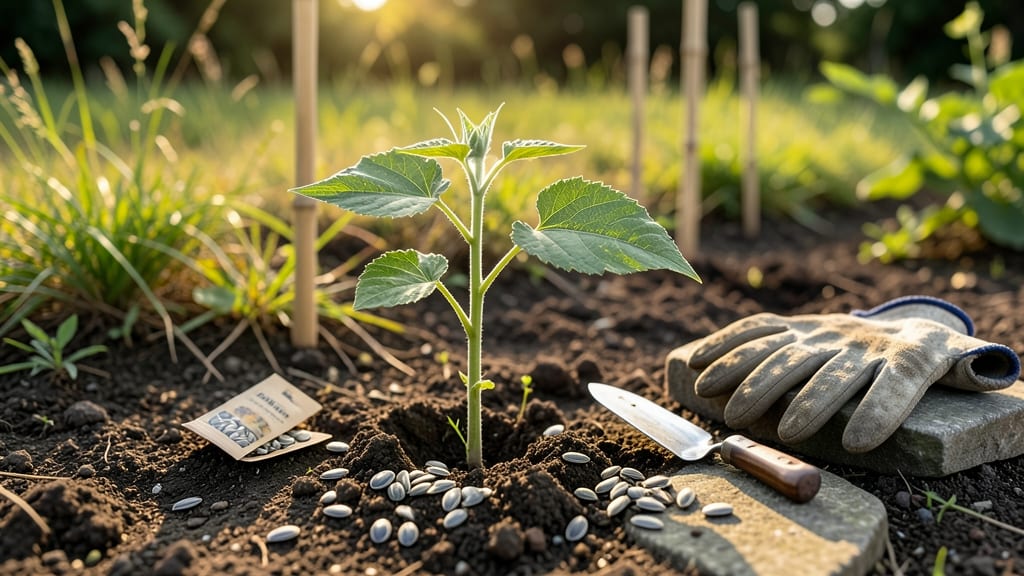
To plant sunflowers in New Mexico, aim for March–May or August–September—timing that avoids both frost and the brutal summer heat.
Sunflowers thrive in New Mexico’s high-desert climate—but planting them at the wrong time means wilting before they even bloom. Timing is everything, especially with extreme heat and short growing seasons in some regions.
In USDA zones 6b–9a, your last frost date shifts from early March in Albuquerque to early April in Santa Fe. Plant 2–3 weeks after that date, when soil temperatures hit 50°F, for the best start.
Below, I break down the exact windows for your region, how to adjust for elevation, and why a fall planting can sometimes outperform spring in the high desert.
New Mexico’s sunflower planting zones: heat-tolerant timing guide
New Mexico’s high-desert climate creates unique challenges for sunflower growers. With USDA zones 5-9 and elevations ranging from 5,000 to 8,000 feet, timing your planting is critical. Plant too early, and late frosts will kill tender seedlings.
Wait too long, and scorching summer heat can stress mature plants before they bloom. The key? Understanding your local frost dates and adjusting for elevation.
Most of New Mexico falls within USDA zones 6b through 9a, but microclimates vary dramatically. Lower elevations like Albuquerque (zone 7a) and Las Cruces (zone 8a) enjoy longer growing seasons, while Santa Fe (zone 6b) and Farmington (zone 6a) face earlier frosts.
Even within cities, neighborhoods at 7,000 feet may have 2-3 weeks shorter frost-free periods than those at 5,000 feet.
For spring planting, aim to sow seeds 2-3 weeks after your last frost date.
In Albuquerque, this typically lands in mid-March to early April, while Santa Fe gardeners should wait until late April. Fall planting is possible in lower elevations (like Las Cruces) but risky above 6,500 feet—seedlings may not mature before first frost in October.
Soil temperature matters just as much as air temperature. Sunflowers won’t germinate well below 50°F (10°C), and ideal conditions are 60°F+ (15°C+). Use a soil thermometer to confirm readiness, especially in high-altitude gardens where nights stay chilly longer.
In Albuquerque, soil warms to 60°F by late March, but Santa Fe’s soil may not reach this until mid-April.
Here’s a quick reference for New Mexico’s key cities and their frost-free windows:
| Location | USDA Zone | Avg Last Frost | Avg First Frost | Spring Planting Window | Fall Planting Window |
|---|---|---|---|---|---|
| Albuquerque | 7a | March 1 | October 15 | March 15–April 15 | August 15–September 15 |
| Santa Fe | 6b | April 1 | September 15 | April 15–May 1 | Not recommended |
| Farmington | 6a | April 15 | September 1 | May 1–May 15 | Not recommended |
| Las Cruces | 8a | February 15 | November 15 | February 28–April 15 | August 1–September 30 |
| High Desert (6,500–8,000 ft) | 5b–6a | April 15–May 1 | September 1–15 | May 1–June 1 | Not recommended |
For high-altitude gardens above 7,000 feet, consider container growing or row covers to extend your season. Move pots to warmer microclimates (like near south-facing walls) to protect seedlings from late spring frosts.
In Las Cruces and southern NM, you can even try two plantings: one in spring and another in late summer for fall blooms.
Choose heat-tolerant varieties like ‘Moulin Rouge’ (dwarf, great for containers) or ‘Russian Giant’ (tall, drought-resistant) to improve success. Avoid ‘Autumn Beauty’ in hot zones—its striped petals fade quickly in 100°F+ heat. Always mulch heavily (3–4 inches of straw) to retain soil moisture and regulate temperature.
If you’re in zone 8a or lower, don’t overlook fall planting. Sow seeds in late August for October blooms—just ensure they mature before first frost. In Albuquerque, this means 60–70 days to harvest (choose fast varieties like <
5 Critical factors that determine your sunflower planting success
Sunflowers in New Mexico demand precise timing and conditions to thrive. The soil temperature must reach 60°F or higher for seeds to germinate—any cooler, and they’ll rot in the ground. Test your soil with a thermometer before planting, especially in high-altitude areas like Santa Fe, where cooler nights delay warming.
Your water availability is the next critical factor. While sunflowers tolerate drought once established, they need deep, infrequent watering during germination and early growth. In Las Cruces, where summer temps soar, mulch heavily to retain moisture and prevent heat stress.
Not all sunflower varieties handle New Mexico’s heat equally. ‘Moulin Rouge’ thrives in USDA zones 5-9 with its deep red blooms, while ‘Russian Giant’ may struggle in zone 9a without extra shade. Match your variety to your microclimate—coastal areas stay cooler longer than inland deserts.
- 1. Soil Temperature: Wait until soil reaches 60°F+ (use a thermometer!). In Albuquerque, this is typically mid-April; in Taos, wait until late May.
- 2. Watering Strategy: Water deeply 2x/week during germination. Once established, reduce to weekly deep soakings to prevent shallow roots.
- 3. Heat-Tolerant Varieties: Choose ‘Autumn Beauty’ for fall planting or ‘ProCut’ for cut flowers in zone 9. Avoid ‘Mammoth’ in extreme heat—it bolts too quickly.
- 4. Extend the Season: In Las Cruces, plant late August for fall blooms. Use shade cloth (30%) to protect seedlings from 100°F+ afternoons.
- 5. Frost Protection: If planting in zone 6b, cover seedlings with frost cloth until soil warms. In zone 9a, focus on evening watering to cool roots during heatwaves.
To extend the growing season in hotter zones like Las Cruces, consider fall planting. Sow seeds in late August to take advantage of cooler nights and avoid the 110°F+ summer peaks. Use black plastic mulch to warm soil faster in spring or straw mulch to retain moisture in fall.
Finally, monitor your sunflowers for heat stress signs: curled leaves, yellowing, or stunted growth. If you see these, provide afternoon shade and increase watering temporarily. With these factors in check, your sunflowers will reach their full 8–16-foot potential—even in New Mexico’s challenging climate.
🌻