
Flowers
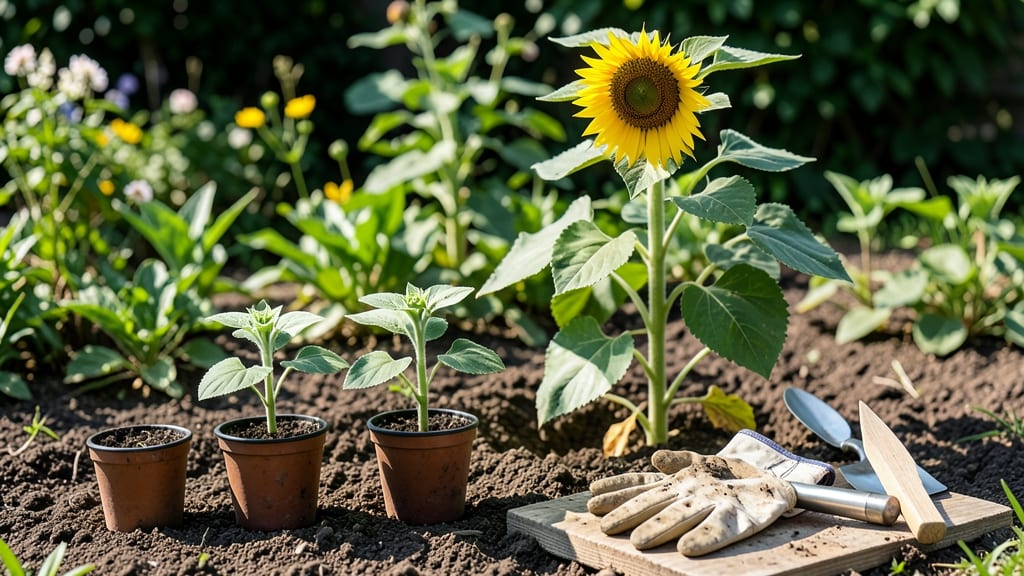
To plant sunflowers in SC at the perfect time means catching that sweet spot between late frost risks and summer’s scorching heat—typically mid-April through mid-June for most of the state.
Picture this: you’ve just sown your 🌻 seeds, eager for those towering blooms, only to watch them wilt under a surprise frost or bolt in the heat before they mature.
South Carolina’s 7b-8b zones throw curveballs, but with the right timing, you can turn those odds into a garden full of sunflowers that rival the sky.
This isn’t just about avoiding frost dates—it’s about matching your planting to your county’s microclimate. Coastal areas like Charleston have a longer growing window, while the Upstate’s cooler nights might delay your harvest.
We’ll break down the exact weeks to plant for your region, so you’re not guessing whether your sunflowers will reach their full 10-foot potential.
You’ll also discover how to prep your soil, adjust for drought-prone summers, and even squeeze in a second planting for extended blooms. By the end, you’ll know exactly when to drop those seeds for sunflowers that steal the show from August through October.
South Carolina sunflower planting dates by region (county breakdown)
South Carolina’s diverse climate—from the humid coastal plains to the milder Upstate mountains—means your sunflower planting schedule should match your USDA hardiness zone and last frost dates.
Coastal areas like Charleston (Zone 8b) have earlier frost-free windows than Greenville (Zone 7b), where late frosts linger until mid-April. Let’s break down the best planting windows by region to ensure your sunflowers reach their peak bloom potential before fall frost.
For coastal counties (Zones 8a-8b), including Charleston, Beaufort, and Hilton Head, the ideal planting window stretches from mid-March to early May. These areas enjoy longer growing seasons and warmer soils, allowing sunflowers to mature faster.
Inland areas like Columbia (Zone 8a) and Florence (Zone 8a) follow a similar timeline but may benefit from staggered plantings to extend bloom time.
In the Piedmont region (Zones 7b-8a), which includes counties like Greenville, Spartanburg, and Anderson, aim to plant sunflowers between late March and mid-May. These areas experience later frost risks, so wait until soil temperatures consistently stay above 55°F.
Use row covers if planting early to protect tender seedlings from unexpected cold snaps.
The Upstate (Zone 7b), including Greer, Pickens, and Oconee, has the shortest growing season in SC. Plant sunflowers between mid-April and early June to ensure they mature before the first frost in mid-November. Choose early-maturing varieties like ‘Teddy Bear’ or ‘Moulin Rouge’ for guaranteed blooms.
Here’s a county-by-region breakdown of your sunflower planting windows, including last frost dates and ideal bloom timing to maximize your garden’s summer sunshine:
| Region | USDA Zone | Planting Window | Last Frost Date | Bloom Time | Notes |
|---|---|---|---|---|---|
| Coastal (Charleston, Beaufort, Hilton Head) | 8a-8b | Mid-March to early May | February 15 - March 15 | July - September | Longer season; plant early for fall blooms. |
| Piedmont (Columbia, Rock Hill, Fort Mill) | 8a | Late March to mid-May | March 1 - April 1 | July - October | Stagger plantings for extended blooms. |
| Upstate (Greenville, Spartanburg, Greer) | 7b | Mid-April to early June | April 15 - May 1 | August - September | Use early varieties; shorter season. |
| Sandhills (Camden, Kershaw, Chester) | 7b-8a | Late March to late April | March 15 - April 10 | July - September | Well-draining soil; avoid waterlogging. |
| Pee Dee (Florence, Darlington, Marlboro) | 8a | Early April to mid-May | March 1 - April
How to adjust sunflower planting for SC’s unpredictable weather patternsSouth Carolina’s weather can be as unpredictable as a summer storm—one day it’s 75°F sunshine, the next it’s a 32°F surprise frost in May. This volatility makes sunflower planting a high-stakes game. The key isn’t just avoiding frost dates; it’s reading your microclimate like a weather forecast. Coastal areas like Beaufort may have frost-free soil by early March, while Greenville’s cooler nights might delay planting until late April. I’ve learned the hard way that planting too early can leave seedlings vulnerable to late frosts, while waiting too long risks bolting before maturity. The solution? Soil temperature checks and staggered planting. Sunflowers thrive when soil reaches 60°F+, but in SC’s humidity, that doesn’t always align with calendar dates. Let’s break down how to outsmart the weather and keep your sunflowers reaching for the sky. ⚠️ callout-warning ⚠️
🌡️ SC’s Frost Gambit: Don’t rely on average frost dates! Use a soil thermometer—plant only when soil hits 60°F+ for 3+ days. Coastal areas (e.g., Charleston) can plant 2-3 weeks earlier than Upstate (e.g., Greenville), where late frosts linger until May 10. Pro tip: Monitor NOAA’s Local Frost Data for your county.
Start with staggered planting to extend your bloom season. In my Upstate garden, I sow half my seeds in late April and the rest in early June. The first batch blooms in August, while the second stretches into October—just in time for fall festivals. This tactic also mitigates heat stress, as younger plants avoid July’s 95°F+ spikes that can stunt growth. Protect seedlings with row covers or cloche tunnels if late frosts threaten. I’ve used floating row covers to shield 2-week-old seedlings from 35°F drops in early May. Remove covers once plants hit 12 inches tall to prevent overheating. For humidity-prone areas, ensure well-draining soil—sunflowers hate soggy roots. Amend clay soil with compost or sand to improve aeration. Watering strategy is critical. Deep water once weekly (1-2 gallons per plant) during dry spells, but avoid wetting foliage to prevent powdery mildew. In August’s heat, I switch to drip irrigation to keep roots cool. Mulch with straw or pine needles to retain moisture and suppress weeds. This simple step can mean the difference between wilting stalks and 12-foot giants. For extended blooms, consider fall planting in late July. Choose short-day varieties like ‘Autumn Beauty’ that thrive in cooler temps. In my coastal garden, these sunflowers bloom in October, adding late-season color when other plants fade. Just be prepared to harvest seeds before frost—or risk losing your crop to November chills. Remember, SC’s weather is a moving target. Keep a gardening journal to track your local patterns—note when frost hits, how fast soil warms, and which varieties perform best. With these adjustments, you’ll turn South Carolina’s chaos into a sunflower paradise from summer through fall. 🌻 |