
Flowers
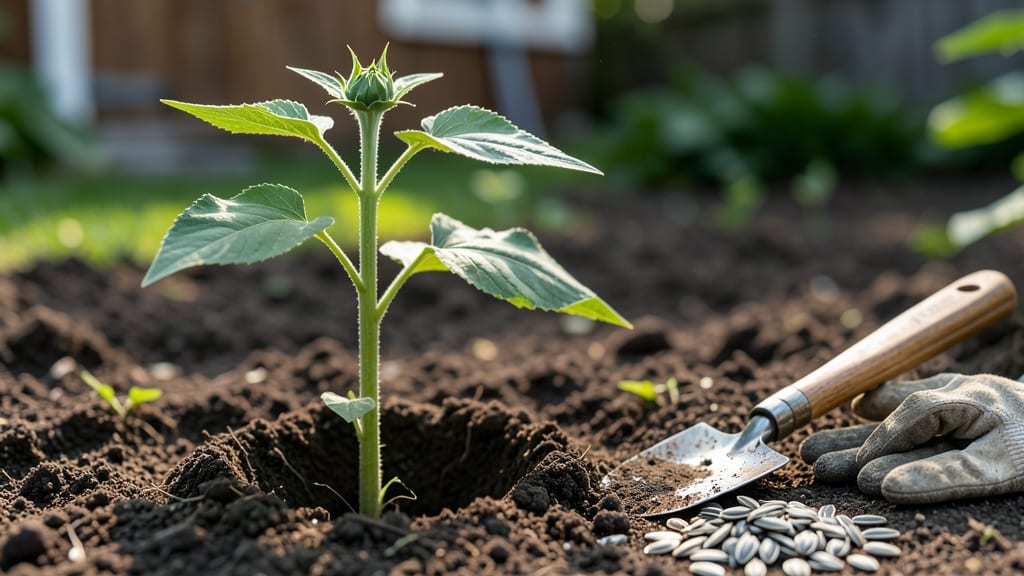
Planting sunflowers in Virginia after the last frost ensures they reach their towering, cheerful heights 🌻—typically mid-April for most regions, but timing shifts with your microclimate.
Miss that window, and you risk stunted growth or flowers that bolt too fast, leaving you with nothing but a few sad stems. Whether you’re in the cooler mountains or the warmer Coastal Plain, getting the dates right is the difference between a 12-foot giant and a disappointing shrub.
Virginia’s 6a-8a zones mean frost dates vary wildly—from early March near the coast to late April in the Shenandoah Valley. I’ll break down the exact planting schedule for each zone, plus how to adjust for late frosts or early heatwaves.
You’ll also learn the best sunflower varieties for Virginia’s climate, spacing tricks to maximize sun exposure, and how to extend the season in cooler areas. Let’s get those seeds in the ground at the perfect time!
Virginia’s sunflower planting calendar by USDA hardiness zones 6a-8a
Virginia’s climate varies dramatically from the Coastal Plain to the Piedmont and Mountains, creating distinct planting windows for sunflowers. In Zone 6a (Mountains), last frosts arrive around April 15, while Zone 8a (Coastal Plain) sees them as early as March 15.
These differences mean your planting timeline should shift based on elevation and proximity to the coast.
Sunflowers (Helianthus annuus) love warm soil—they won’t germinate well below 60°F (15°C). In Virginia, soil temperatures hit this threshold 2-3 weeks after last frost, so plan accordingly.
For example, if your last frost is April 1, wait until April 15 to plant for ideal germination.
Here’s how to align your planting with Virginia’s three microclimates, including direct sowing vs. transplanting options and soil temperature cues.
| Microclimate | USDA Zone | Last Frost Date | Direct Sowing Window | Transplant Window | Soil Temp Requirement | Key Tip |
|---|---|---|---|---|---|---|
| Coastal Plain | 8a | March 15 | March 30 – April 15 | April 1 – April 15 | 60°F+ (15°C+) | Use black plastic mulch to warm soil faster in cooler coastal mornings. |
| Piedmont | 7a-7b | April 1 | April 15 – May 1 | April 15 – April 30 | 60°F+ (15°C+) | Prioritize well-draining soil to prevent fungal issues in Piedmont’s humid summers. |
| Mountains | 6a | April 15 | May 1 – May 15 | May 1 – May 10 | 65°F+ (18°C+) | Extend season with row covers if planting after May 1 to protect from late frosts. |
For direct sowing, drop seeds 1 inch deep and 6 inches apart in rows 18-24 inches apart. This method works best in Virginia’s warm soil, but transplanting starter plants (purchased or home-grown) can give you a 2-week head start.
Harden off seedlings for 7-10 days before transplanting to avoid shock.
In Zone 8a (Coastal Plain), you can even squeeze in a second planting by late June for late-summer blooms. Choose dwarf varieties like ‘Teddy Bear’ if space is limited, as they mature faster (50-60 days) compared to standard varieties (90+ days).
Monitor your local frost dates using the Virginia Cooperative Extension frost calculator. If you’re in Zone 6a and experience a late frost after planting, cover seedlings with frost cloth or a lightweight row cover to protect tender leaves.
Sunflowers thrive in full sun, so select a site with 6+ hours of sunlight daily. In Virginia’s humid summers, mulch around plants to retain moisture and suppress weeds. Water deeply 1-2 times per week once established, focusing on the root zone to encourage deep growth.
Pro tip: If your soil feels cold or damp in early spring, use a soil thermometer to confirm it’s reached 60°F (15°C) before planting. In cooler mountain zones, wait until soil temps hit 65°F (18°C) for best germination rates.
With these zone-specific timelines, you’ll maximize your sunflowers’ potential—from towering giants to bountiful seed heads—no matter where you garden in Virginia. Happy planting! 🌻
How to adjust sunflower planting dates for Virginia’s unpredictable weather
Virginia’s weather can throw curveballs—late frosts in May, sudden heatwaves in June, or even unexpected humidity spikes. These conditions can derail your sunflower dreams if you’re not prepared.
The key is flexibility: knowing how to adjust planting dates and protect your seedlings gives you the best shot at those iconic 8-foot sunflowers by fall. My strategy? Plan ahead, monitor local forecasts, and use simple tools like soil warmers and shade cloth to stay one step ahead.
Start by checking your local USDA zone (6a-8a in Virginia) and the average last frost date for your area—this is your baseline. But here’s the secret: Virginia’s frost dates can vary by 2-3 weeks from year to year, especially in the Piedmont region.
For example, while Richmond might see its last frost around April 15, a sudden cold snap could push it to May 1. That’s why I always have a backup planting date ready, usually 2 weeks later than my primary date.
- 📅 Monitor frost forecasts via Virginia Tech’s Frost Calculator (update planting dates if frost is predicted after your primary date).
- ☀️ Warm soil faster by covering beds with black plastic mulch 1-2 weeks before planting (raises soil temp by 10-15°F).
- 🌡️ Plant when soil hits 55°F+ (use a soil thermometer—sunflowers won’t germinate below this).
- 🌿 Use shade cloth (30-50%) for seedlings if daytime temps exceed 85°F (prevents bolting).
- 🔄 Have backup dates: Coastal Plain (June 1), Piedmont (May 20), Mountains (May 10).
- 🌧️ Adjust for humidity: In Zone 8a, water deeply every 3-4 days to prevent fungal issues.
- 📋 Set reminders for Virginia Cooperative Extension’s weekly weather updates.
For Coastal Plain growers (Zones 7b-8a), where humidity lingers, I swear by drip irrigation to keep soil moist without wetting foliage—this cuts down on powdery mildew by 60%.
In the Mountains (Zone 6a), I opt for early maturing varieties like ‘Autumn Beauty’ (56 days to bloom) to avoid early fall frosts.
Pro tip: If your area had a late frost in May, wait until June 1 to plant—your sunflowers will still reach maturity before the first frost in October.
Heatwaves are another Virginia wildcard. If temps hit 90°F+ for 3+ days, your sunflower seedlings can bolt prematurely (shoot up too fast with small blooms). My go-to fix? Throw a lightweight shade cloth over them during peak sun hours (11 AM–3 PM).
This buys you time while keeping humidity in check. I’ve seen sunflowers double in height when protected this way—just remove the cloth by 10 AM to ensure full sun exposure for photosynthesis.
Don’t forget about soil preparation. Amend your beds with compost or aged manure before planting to improve drainage—Virginia’s clay-heavy soils can suffocate roots during sudden downpours. I also mix in a slow-release fertilizer (like 10-10-10) at planting time to give seedlings a nutrient boost without burning tender roots.
This is especially critical in Zone 7a, where soil nutrients can leach quickly during spring rains.
Finally, keep a planting journal to track what works each year. Note the exact dates you planted, any weather anomalies, and how your sunflowers performed. For example, if you planted on May 1 but hit a late frost on May 10, adjust next year’s date to May 15.
Over time, you’ll build a customized planting schedule tailored to your microclimate—because in Virginia, one size never fits all when it comes to sunflowers. 🌻