
Plants
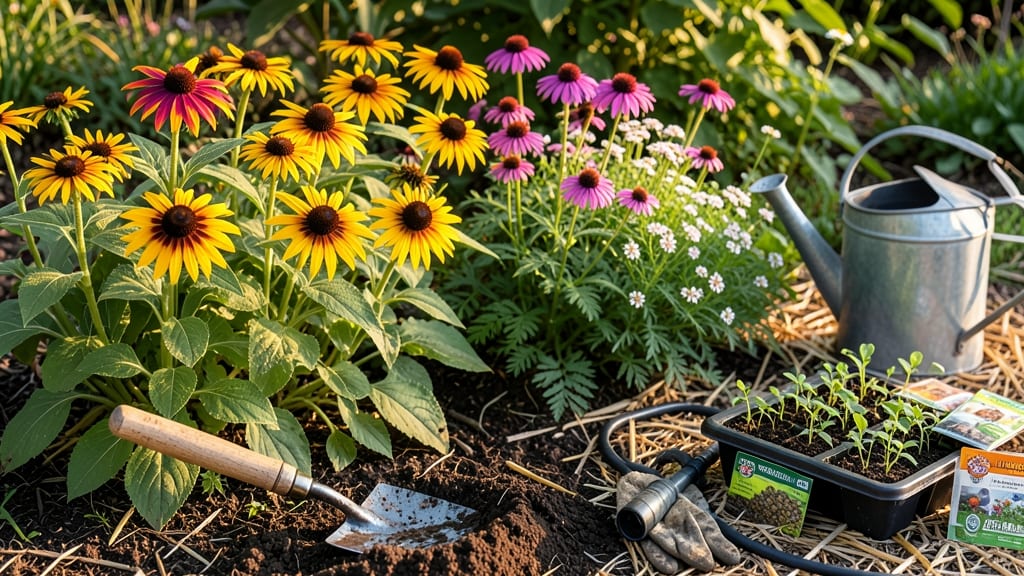
Planting wildflower seeds in Wisconsin at the right time means the difference between a vibrant meadow and a missed opportunity — and the best window is narrower than you’d think.
Wisconsin’s unpredictable spring weather can turn wildflower planting into a guessing game—but timing your seeds right ensures vibrant blooms from season to season. Master the frost-free window for USDA Zones 5B-6A to maximize your meadow’s potential.
Fall planting is the gold standard in Wisconsin, letting seeds settle into the soil before winter’s chill. But spring offers a second chance if you act fast—just don’t wait until the soil warms too late.
Here’s the exact timing you need for both seasons, plus how to pick the best wildflower mixes for Wisconsin’s climate and pollinators.
Wisconsin wildflower planting timeline by USDA zone 5B-6A
Timing your wildflower seeds in Wisconsin’s USDA Zones 5B-6A means navigating short growing seasons and unpredictable frost dates. The key is planting when soil temperatures stay above 40°F and frost risk drops below 10%.
Fall planting often yields better results than spring, thanks to cooler temps and fewer weeds.
For spring planting, aim for late April to early May—after your average last frost date, which typically falls between April 15 and May 10 in most of Wisconsin. Southern areas (like Madison) can start earlier, while northern regions (near Green Bay) may need to wait until mid-May.
Fall planting is ideal from mid-September to early November, allowing seeds to stratify naturally over winter. This mimics their native conditions and often leads to more robust blooms the following summer.
Just ensure seeds are planted at least 4-6 weeks before first frost, which usually arrives between October 15 and November 10.
Soil temperature is your best guide—wait until it reaches at least 40°F for 5 consecutive days. Use a soil thermometer to check, especially in shady or low-lying areas that may stay cooler. Cooler soils slow germination, which can be risky in Wisconsin’s variable spring weather.
Perennial wildflowers (like coneflower or black-eyed Susan) thrive with fall planting, as they establish roots before winter. Annuals (such as cosmos or sunflower) can handle spring planting but may struggle if sown too early when soils are still cold.
| Planting Window | Soil Temp Threshold | Frost Risk | Best For |
|---|---|---|---|
| Late April - Early May | 45°F+ (5+ days) | <10% frost risk | Annuals, fast germinators |
| Mid-September - Early November | 40°F+ (daytime) | 4-6 weeks before frost | Perennials, native mixes |
| August (late) | 50°F+ | Low risk in southern WI | Drought-tolerant species |
If you miss the ideal fall window, don’t despair—late winter planting (February) is another option. Sow seeds in protected trays indoors or under greenhouse conditions to jumpstart germination. Transplant seedlings outdoors after your last frost date, typically by mid-May.
Soil preparation is critical in Wisconsin’s clay-heavy soils. Loosen the top 2-3 inches of soil and mix in compost or sand to improve drainage. Wildflowers prefer well-draining soil but can tolerate poor, rocky conditions once established. Avoid heavy mulch until seeds germinate to prevent moisture retention issues.
For best results, choose native Wisconsin wildflowers like purple coneflower, butterfly weed, or wild bergamot. These species are adapted to local climate stresses and require less maintenance than non-native varieties.
Always check seed packets for specific planting instructions, as some species need scarification or stratification.
Remember, Wisconsin’s microclimates can vary dramatically—southern areas (like Milwaukee) may have 2-3 weeks earlier frost-free windows than northern regions (near the Upper Peninsula). Adjust your timing accordingly, and don’t hesitate to consult local gardening groups for real-time updates on frost dates.
With the right timing, your wildflower meadow will reward you with vibrant blooms from early summer to fall, attracting pollinators and adding wild beauty to your landscape. Happy planting! 🌼
How to adjust planting for Wisconsin’s microclimates and weather patterns
Wisconsin’s regional microclimates can shift planting zones by weeks, so knowing your specific area is key. Southern Wisconsin (Zone 5B) enjoys earlier last frosts—often by mid-April—while northern areas (Zone 4B) may not see frost-free conditions until late May.
This variation means your neighbor’s perfect spring planting window could be too late for your garden.
Even within these zones, local topography matters. South-facing slopes warm up faster, while low-lying areas stay colder longer. Use these microclimate adjustments to fine-tune your planting schedule and avoid frost damage to tender wildflower seedlings.
- 🌡️ Soil Temperature Rule: Wait until soil reaches 40°F+ for spring planting—use a soil thermometer to avoid false starts with late frosts.
- ❄️ Frost Buffer Zone: Plant 4-6 weeks before your area’s average last frost date to account for unpredictable late frosts (check Wisconsin State Climatology for local data).
- 🌱 Stratification Hack: Cold-hardy species like black-eyed susan and coneflower benefit from fall planting—seeds naturally stratify over winter, germinating earlier in spring.
- 🌿 Overwintering Trick: For spring planting, cover seeds lightly with straw mulch (1 inch) to protect them from early spring frosts while allowing moisture to penetrate.
- 🗺️ Regional Adjustments:
- Southern WI (Zone 5B): Plant late March–early April for spring; September–October for fall.
- Northern WI (Zone 4B): Shift to mid-April–May for spring; August–September for fall.
- 🌧️ Rainfall Strategy: Wisconsin’s wet springs can drown seeds—plant during dry spells or use raised beds for better drainage.
If you’re planting in northern Wisconsin, prioritize fall planting—it’s your safest bet. Seeds sown in September or October will establish roots before winter, then burst into bloom the following summer. For southern Wisconsin, both spring and fall work, but spring planting requires closer frost monitoring.
Don’t overlook seed stratification for species like wild bergamot or purple coneflower. Many native wildflowers need cold stratification to break dormancy. For a quick fix, moisten seeds, place them in a ziplock bag with damp sand, and refrigerate for 4–8 weeks before planting.
Protect your investment with row covers or cloche tunnels if late frosts threaten. Even a light frost can damage young seedlings, so keep an eye on 7-day forecasts in April and May. With these adjustments, your wildflower meadow will thrive despite Wisconsin’s unpredictable weather.