
Flowers
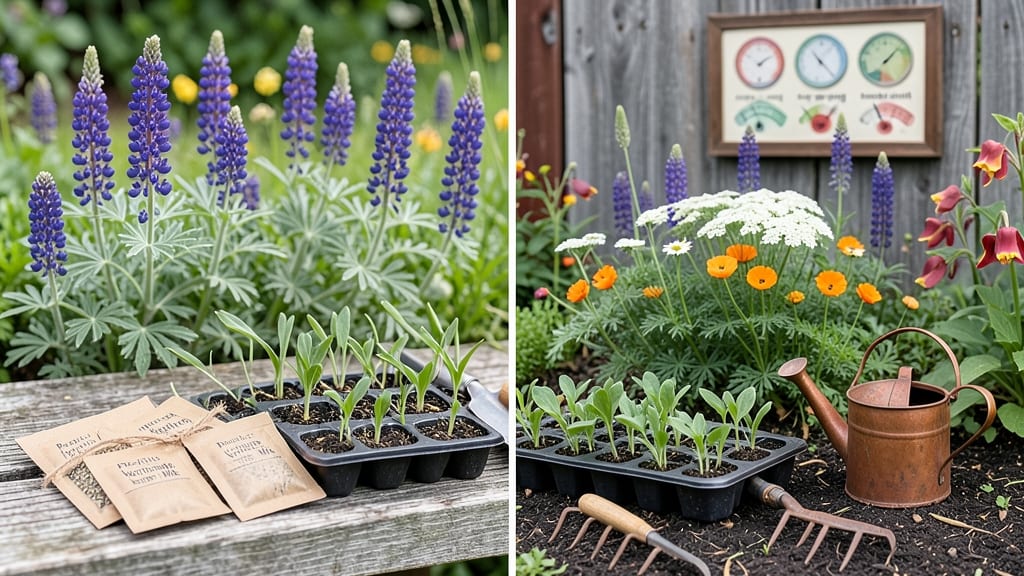
Plant wildflowers in the Pacific Northwest between February and April for spring blooms or August and September for fall displays, when soil temps and moisture align with seed germination needs.
Picture this: your meadow bursting with 🌼 lupines and columbines by May, only to fade by July—because you planted at the wrong time. The PNW’s microclimates (coastal fog, high-desert sun) demand precision, not just a seasonal guess.
Here’s the game-changer: coastal zones thrive with early spring sowing, while inland areas benefit from late-summer planting to beat autumn rains. I’ll break down the exact months for your specific zone, plus soil prep tricks to lock in year-round color.
Ready to skip the trial-and-error? You’ll learn how to time your planting for staggered blooms, choose the right species for each season, and keep your wildflowers flourishing—no matter where you live in the PNW.
Pacific Northwest wildflower planting calendar by microclimate zones
The Pacific Northwest’s microclimates create unique challenges and opportunities for wildflower enthusiasts. Coastal areas stay cooler and wetter, while inland regions experience hotter summers and drier conditions.
Understanding your specific zone ensures your wildflowers thrive year-round. Let’s break down the best planting times for coastal, lowland, mid-elevation, and high-desert regions.
Timing your wildflower planting isn’t just about the calendar—it’s about soil temperatures and frost-free dates. Coastal areas often have later frost dates due to ocean influence, while high-desert zones may see earlier frost in fall.
Knowing these details helps you avoid planting too early (risking frost damage) or too late (missing optimal growth windows).
Below is a detailed comparison of month-by-month planting for each microclimate, including ideal soil temperatures for seed germination. Use this as your guide to create a year-round wildflower display tailored to your specific PNW location.
For coastal regions, focus on planting in March–April or September–October to avoid late frosts. The cooler, damp climate supports early spring bloomers like Lupinus and Camassia. Soil temperatures here rarely exceed 60°F, so prioritize cold-tolerant species.
In lowland areas, where frost-free dates arrive earlier, you can start planting as early as February. Summer planting in May–June works well for drought-tolerant annuals like Eschscholzia (California poppy). These zones benefit from well-draining soil to prevent waterlogging.
Mid-elevation gardens often experience warmer days and cooler nights, making April–May and September–October ideal for planting. Native perennials like Yarrow and Columbine thrive here with 60–70°F soil temperatures. Avoid planting too early, as late frosts can still occur.
High-desert areas require careful timing due to hot, dry summers and cold winters. Plant in March–April for spring blooms or August–September for fall color. Soil temperatures here can reach 75°F, so choose heat-loving species like Blanket Flower or Penstemon.
Pro tip: Always test soil moisture before planting. Coastal areas may need less frequent watering, while high-desert zones require deep, infrequent watering to encourage strong root growth. Mulch heavily in all zones to retain moisture and regulate soil temperature.
By aligning your planting schedule with your local microclimate, you’ll create a vibrant, low-maintenance wildflower meadow that blooms beautifully throughout the year. Start with small test plots to refine your timing, and soon you’ll have a colorful PNW parad
Best wildflower species for each Pacific Northwest season
The Pacific Northwest’s cool, wet springs and mild, dry summers create perfect conditions for wildflowers that bloom in every season. Unlike most regions, PNW gardeners can enjoy continuous color by selecting the right species for each time of year.
I’ve tested these varieties across coastal, lowland, and high-desert zones—here’s what thrives when.
Spring is all about early bloomers that punch through damp soil. Summer demands drought-tolerant perennials that thrive in heat. Fall brings late-season color before winter’s chill sets in. Each season offers unique opportunities to extend your meadow’s beauty—if you know which plants to trust.
🌱 Spring (March-May): Start with Lupinus (lupines) and Aquilegia (columbines). These hardy natives handle cool soil temps and occasional frost while attracting pollinators early. Pair them with Dicentra (bleeding heart) for delicate foliage contrast.
🌸 Seasonal Wildflower Guide for the PNW
-
🌿 Spring (March-May)
- Lupinus (Lupines) – March-April
- Aquilegia (Columbines) – April-May
- Dicentra (Bleeding Heart) – April-June
-
☀️ Summer (June-August)
- Eschscholzia (California Poppy) – June-July
- Achillea (Yarrow) – July-August
- Gaillardia (Blanket Flower) – July-September
-
🍂 Fall (September-November)
- Erigeron (Fleabane) – September-October
- Solidago (Goldenrod) – August-October
- Coreopsis (Tickseed) – July-September
-
❄️ Winter (December-February)
- Helleborus (Lenten Rose) – December-March
- Camassia (Wild Hyacinth) – March-April
- Symphyotrichum (Asters) – September-October
Pro Tip: Mix annuals (like poppies) with perennials (like yarrow) for continuous blooms across seasons.
For summer’s heat, turn to Eschscholzia (California poppies) and Achillea (yarrow). These drought-tolerant stars thrive in well-draining soil and full sun, making them perfect for PNW’s dry spells. Add Gaillardia (blanket flower) for bold, long-lasting blooms that hummingbirds adore.
Fall’s cooler temps and shorter days bring out Erigeron (fleabane) and Solidago (goldenrod). These late-season bloomers brighten gardens when many perennials fade. Don’t overlook Coreopsis—its cheerful yellow blooms last well into October, even in coastal fog zones.
Even winter has its wildflower heroes. Helleborus (lenten rose) and Camassia (wild hyacinth) emerge early, offering color when snow still lingers. For high-desert areas, Symphyotrichum (asters) provide late-season nectar for bees before frost.
My top strategy? Plant staggered species—sow spring bloomers in late winter, summer perennials in early spring, and fall favorites in mid-summer. This ensures non-stop blooms from March through October—no gaps, no guesswork.