
Planting
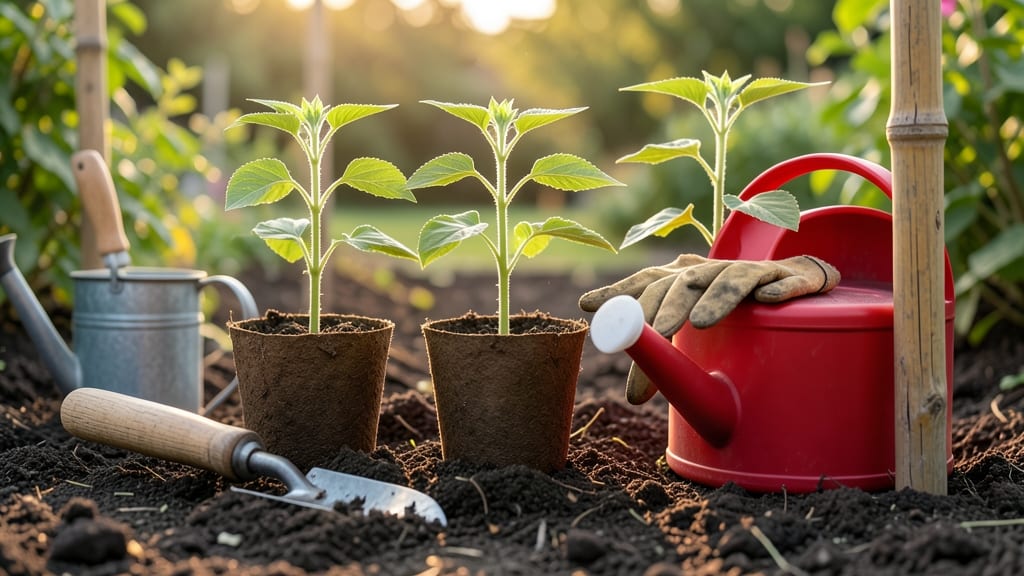
Transplanting sunflower seeds after they sprout their true leaves and when soil warms to 60°F is the key to strong, healthy plants 🌻.
Picture this: you’ve nurtured your seedlings indoors, only to rush them outside too soon—frost nibbles the edges, or the cold soil stunts their growth. The timing isn’t just about the calendar; it’s about the soil temperature and the seedling’s readiness.
Get it right, and you’ll see those towering blooms by summer.
Most gardeners wait until after the last frost date in their zone, but that’s only half the story. Soil that’s still chilly can shock roots, while waiting too long risks overcrowding in your starter pots.
The sweet spot? True leaves (not the first tiny cotyledons) and soil that’s reliably above 60°F.
In this guide, I’ll walk you through the exact timing for your region, how to harden off seedlings, and pro tips to avoid transplant shock—so you can go from seed to sunflower without a hitch.


Optimal transplant timing: true leaves + 60°F soil temperature
Transplanting sunflower seedlings at the right time ensures they establish strong roots and grow into those iconic 10-foot giants you love. The two most critical factors are true leaves development and soil temperature.
Sunflowers won’t thrive if moved too early—cold soil slows root growth, while transplanting too late can stunt their towering potential. Let’s break down the science behind these timing rules.
Sunflower seedlings start with cotyledons (those first two baby leaves), but these aren’t enough for transplanting. You want to wait until the first true leaves appear—these look like miniature versions of a mature sunflower leaf.
True leaves indicate the seedling has developed a stronger root system and can handle the stress of moving. This usually happens 7-14 days after germination, depending on warmth and light.
Soil temperature is equally important. Sunflowers need soil that’s warmed to at least 60°F for optimal root development. Below this, roots grow slowly, and seedlings become vulnerable to rot and disease. Cold soil also makes it harder for seedlings to absorb water and nutrients, leading to stunted growth.
Testing your soil temperature is simple—use a soil thermometer or check the forecast for frost-free dates in your region.
Here’s the golden rule: Transplant sunflower seedlings when they have 2-3 true leaves and soil temperatures consistently stay above 60°F for at least a week. This balance ensures your seedlings won’t shock and can focus energy on growing tall and strong.
Skipping either of these steps often leads to leggy, weak plants that struggle to reach their full height.
Testing soil temperature is easier than you think. A simple soil thermometer (available for under $10) gives you accurate readings. Stick it into the soil where you plan to transplant, about 2-3 inches deep, and wait 30 seconds for a reading.
If it’s below 60°F, wait a few more days—your seedlings will thank you with faster growth and fewer diseases. Pro tip: Mornings are the best time to check, as soil temps can fluctuate throughout the day.
Regional differences play a huge role in transplant timing. In USDA zones 3-5, where frosts linger later, aim to transplant after May 15th when soil warms and frost risk drops.
Gardeners in zones 6-8 can transplant as early as mid-April, while those in zones 9-10 might start transplanting in late March. Always check your local frost-free date and add 2-3 weeks to ensure safety.
One common mistake is transplanting sunflowers too late in the season. If you wait until June or July, your plants may not have enough time to mature before fall frosts. Sunflowers need 80-120 days to reach harvest, so plan accordingly.
For example, if your first frost is October 15th, transplant by mid-July at the latest to ensure a full growing season. This is especially critical for tall varieties that need more time to establish.
If you’re starting seeds indoors, time your transplant so seedlings are ready when soil conditions are ideal. Most sunflower varieties take 7-10 days to sprout and another 3-4 weeks to develop true leaves. Count backward from your target transplant date to determine when to start seeds indoors.
For example, if you plan to transplant on May 1st, start seeds indoors by mid-March to give them enough time to grow.
After transplanting, focus on watering deeply and providing full sun to help seedlings recover. Mulch around the base to retain moisture and keep soil temperatures stable. With the right timing, your sunflowers will reward you with vibrant blooms and maybe even edible seeds by late summer! 🌻
How to prepare sunflower seedlings for transplanting
Preparing sunflower seedlings for transplanting is all about hardening them off and choosing the right containers. If you rush this step, your seedlings may shock easily, leading to stunted growth or even death.
The key is to mimic outdoor conditions gradually so your plants can adjust. Start by selecting biodegradable pots or small containers—this reduces root disturbance when transplanting.
Begin the hardening process 7-10 days before transplanting. Place your seedlings outdoors in a sheltered spot, like a porch or under a shade cloth, for a few hours each day.
Gradually increase their exposure to direct sunlight and wind over the week. This helps toughen their stems and leaves, making them more resilient once they’re in the ground.
Step-by-Step Sunflower Seedling Prep
- Week 1: Start hardening 7-10 days before transplanting by placing seedlings in partial shade for 2-3 hours daily.
- Week 2: Gradually increase sunlight exposure to 4-6 hours, then introduce light wind by placing them near a window or fan.
- Final 2 Days: Move seedlings to their final outdoor location for a full day to acclimate fully.
- Transplant Day: Water seedlings thoroughly the night before transplanting to reduce shock.
When selecting containers, avoid overcrowding—seedlings need space to grow strong roots. Use individual pots or cells that are at least 2-3 inches in diameter to prevent root binding.
If you’re using trays, space seedlings 2-3 inches apart to allow room for growth. Overcrowding leads to weak stems and competition for nutrients, which can stunt your sunflowers.
Spacing is critical once you transplant. In the garden, plant sunflowers 6-12 inches apart, depending on the variety. Dwarf varieties can be spaced closer (6 inches), while standard or giant varieties need 12+ inches to avoid overcrowding.
Poor spacing leads to fungal diseases and competition for sunlight, which weakens plants.
Avoid common mistakes like transplanting on a windy day or when the soil is too cold. Choose a calm, overcast day for transplanting to minimize stress. After transplanting, water deeply to help roots establish, and apply a light mulch to retain moisture and regulate soil temperature.
With the right preparation, your sunflower seedlings will thrive after transplanting. Focus on gradual hardening, proper spacing, and ideal soil conditions to set them up for success. Soon, you’ll be enjoying those iconic bright yellow blooms all summer long! 🌻