
Trees
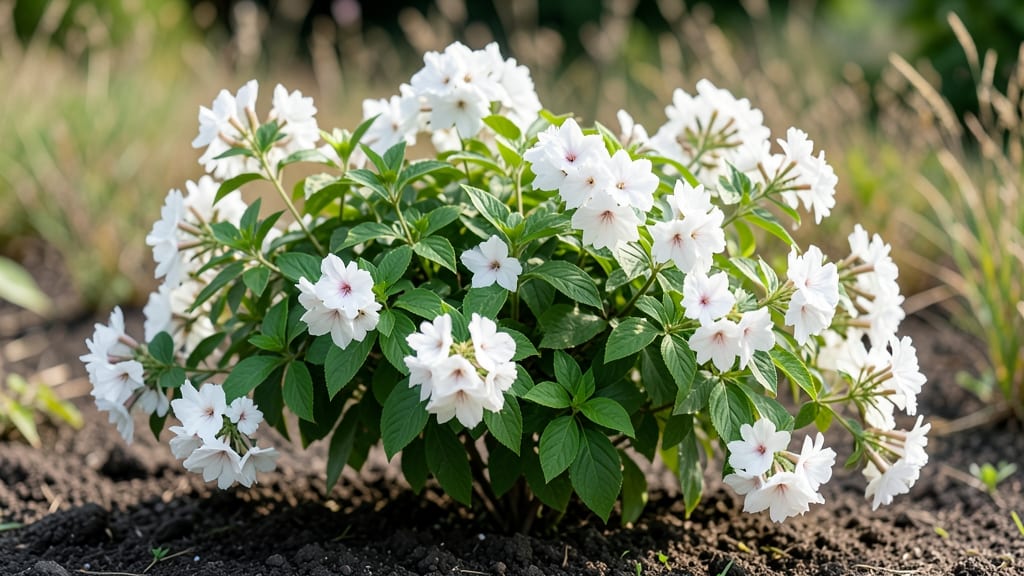
A white flowering weigela 🌸 can transform your garden into a dreamy, romantic retreat—but only if you know the right tricks to keep it blooming year after year.
If your white flowering weigela is struggling to produce abundant blooms year after year, the issue might be hiding in your pruning techniques—not the plant itself.
This shrub thrives on a little strategic trimming, and when done right, it rewards you with longer, healthier blooms and a fuller shape. The secret lies in timing and technique, and I’ve got the exact steps to make it happen without sacrificing your plant’s vitality.
Below, I’ll walk you through the best times to prune, how to avoid common mistakes that kill blooms, and which companion plants will make your weigela stand out even more.
When and how to prune white flowering weigela for maximum blooms
Your white flowering weigela can transform from a sparse bloomer to a showstopper with the right pruning timing and technique. Unlike many shrubs, weigela blooms on new wood, meaning aggressive cuts in the wrong season can leave you with bare stems.
The key lies in early spring pruning—just as buds begin to swell—but before leaves emerge. This timing ensures you remove last year's dead growth while stimulating fresh, vibrant blooms for the season ahead.
First-time pruners often make the mistake of over-pruning or cutting at the wrong time, which can reduce flowering. Weigela thrives with light to moderate pruning—never removing more than one-third of the plant at once. The goal is to shape the shrub while preserving its natural flowering framework.
Below, I’ll walk you through the exact steps, including how to identify dead wood and where to make cuts for optimal bloom production.
Step-by-Step Pruning Guide for White Flowering Weigela
- 1 Timing is everything: Prune in early spring (March-April) when buds swell but before leaves emerge. Avoid fall pruning—it encourages new growth that won’t harden off before frost.
- 2 Gather your tools: Use clean, sharp pruners (sterilized with rubbing alcohol) and gloves. Disinfect tools between cuts to prevent disease spread.
- 3 Remove dead/damaged wood: Cut out last year’s dead branches (they’re brown, brittle, and won’t produce flowers) at the base of the plant. Look for branches without buds or leaves.
- 4 Shape the shrub: Thin out 10-20% of the oldest stems (those >3 years old) to improve airflow. Cut just above a bud or side branch at a 45-degree angle to prevent water pooling.
- 5 Encourage new growth: Leave younger stems (1-2 years old) intact—they’ll produce the most flowers. Avoid "heading back" (cutting back to a bud) unless reshaping for height/width.
- 6 Clean up: Rake up debris and sterilize tools again. Apply mulch around the base to retain moisture and protect roots as new growth emerges.
After pruning, your white flowering weigela should show signs of new growth within 2-3 weeks. Look for bright green leaves and tight buds—these indicate successful pruning.
For maximum blooms, avoid heavy pruning in subsequent years. Instead, focus on light maintenance (removing only dead wood and shaping) to preserve the plant’s energy for flowering.
One common misconception is that hard pruning (cutting back by half) will boost blooms. While this works for some shrubs, weigela responds better to gentle pruning. Over-pruning can lead to fewer flowers and a leggy, sparse appearance.
Think of it as haircut analogy: You wouldn’t shave your head to grow out your bangs—you’d trim strategically!
For first-time pruners, start with one-third of the plant and observe how it responds. If you notice sparse blooms the following year, you may have pruned too aggressively.
The secret to longer, healthier blooms lies in consistency—prune the same way every year, and your weigela will reward you with prolonged flowering from late spring through summer.
Pro tip: Take before-and-after photos of your weigela after pruning. This helps you track progress and adjust your technique year over year. Over time, you’ll develop an eye for the ideal pruning balance that keeps your shrub lush and blooming abundantly.
If your weigela produces fewer flowers than expected after pruning, don’t panic. Factors like light exposure, soil quality, or fertilizer use can also impact blooming. Pair this pruning method with well-draining soil and a balanced fertilizer
Common pruning mistakes that kill white weigela blooms (and how to fix them)
Your white flowering weigela 🌸 might look healthy, but if it’s producing fewer blooms than expected, your pruning habits could be the culprit. Many gardeners accidentally stunt flower production by pruning at the wrong time or using the wrong techniques.
The good news? These mistakes are easily fixable with the right adjustments.
Weigela blooms form on new wood, meaning last year’s growth produces this year’s flowers. If you prune too aggressively or at the wrong time, you risk cutting off next season’s buds. Let’s diagnose the most common pruning errors and how to correct them before your next trim session.
⚠️ Warning: These Pruning Mistakes Are Killing Your Weigela Blooms
- Pruning in late fall or winter removes next year’s flower buds before they form.
- Cutting back more than 1/3 of the plant stresses the shrub and reduces flowering capacity.
- Using dull or dirty shears creates jagged cuts that invite disease and weaken growth.
Fix these issues immediately to restore your weigela’s blooming potential!
One of the biggest mistakes is pruning in late fall or winter. Weigela flower buds form on last year’s growth during late summer and fall. If you prune during dormancy, you’re essentially snipping off next year’s blooms before they even appear.
Instead, wait until early spring, right after the last frost but before new growth begins.
Another common error is over-pruning—cutting back more than 1/3 of the plant’s height in one session. This shocks the shrub and forces it to redirect energy toward regrowth instead of flowering.
For a white flowering weigela, aim to remove only dead or crossing branches and shape lightly. Save heavy pruning for every 2-3 years to maintain bloom production.
Improper cutting techniques also play a role. Always use clean, sharp pruners and make cuts at a 45-degree angle, about 1/4 inch above a leaf node. Avoid leaving stubs or tearing the bark, as these wounds invite pests and diseases.
If you notice ragged cuts or sawdust-like edges, sharpen your tools immediately and re-cut branches properly.
To troubleshoot, check your weigela’s growth pattern. If you see fewer blooms than usual or long, bare stems, it’s likely a sign of over-pruning or wrong-season trimming. Start by lightly pruning in early spring, focusing on shaping rather than reducing size.
Add a balanced fertilizer in early spring to encourage robust new growth and more abundant flowers.
With these fixes, your white flowering weigela will bounce back stronger than ever, rewarding you with lush blooms and vibrant foliage all season long. Remember, patience and precision are key—your weigela will thank you with stunning displays year after year! 🌿