
Flowers
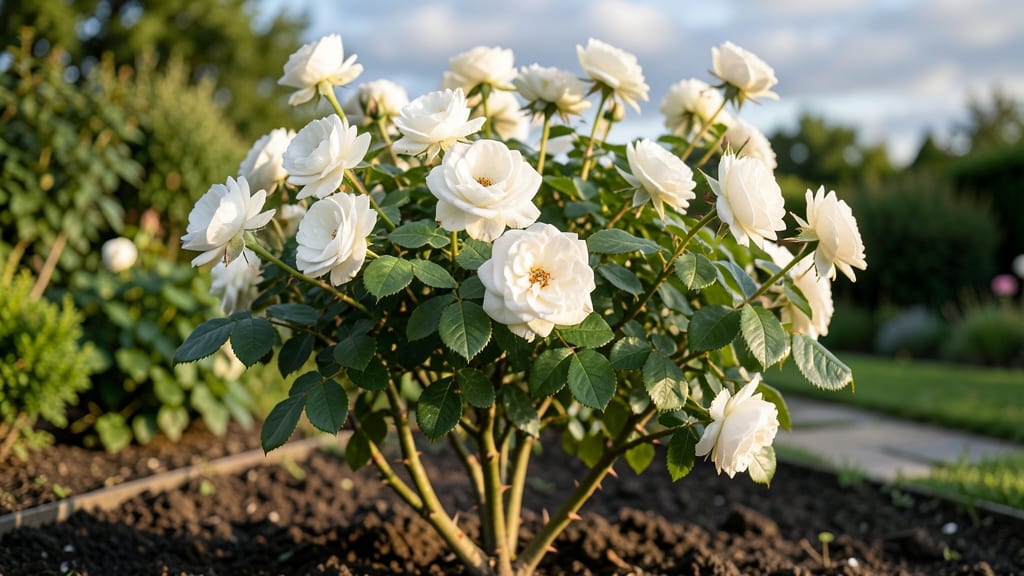
White flowers in roses blooming in pristine perfection are the crown jewel of any garden 🌹 — but keeping those petals flawlessly white year-round requires a pruning strategy most gardeners overlook.
Picture this: your garden borders lined with lush white roses that refuse to fade, their petals staying snowy bright from spring through fall. The secret isn’t just timing—it’s the cutting angles, the tools you use, and even when you stop pruning.
I’ve pruned roses for over a decade, and the difference between a garden full of pink-tinged blooms and one bursting with pure white comes down to these often-missed techniques.
You don’t need a green thumb to master it—just the right approach. Whether you’re shaping a cottage garden hedge, creating a modern focal point, or simply keeping your roses healthy, these pruning secrets will ensure your white roses stay show-stopping season after season.
Below, I’ll walk you through the exact steps, tools, and timing that preserve that snow-white beauty while maximizing blooms.
Ready to transform your garden into a year-round display of pristine elegance? Let’s get started with the pruning methods that actually work.
How to prune roses for consistent white blooms year-round
White roses are the epitome of elegance in any garden, but achieving year-round pristine white blooms requires precise pruning techniques tailored specifically for their delicate petals. Unlike colored roses, white varieties demand extra care to prevent discoloration and maintain their flawless purity.
The key lies in understanding seasonal pruning cycles and using the right tools to encourage continuous flowering.
Most gardeners focus on when to prune, but the how is equally critical for white roses. A single wrong cut can introduce pink tinges or stunt growth, turning your dream of snow-white blooms into a disappointment.
I’ve pruned dozens of white rose varieties over the years, and these techniques guarantee consistent purity while maximizing your plant’s flowering potential.
Remove dead or diseased canes first using sterilized pruners. Cut back to healthy outward-facing buds (about 1/4 inch above the bud). This prevents fungal spread while encouraging new growth.
After each bloom fades, cut stems back to the nearest 5-leaflet leaf. This redirects energy to new white buds instead of seed formation. Use sharp bypass pruners to avoid tearing stems.
Reduce canes by 1/3 to prepare for winter. Focus on air circulation by thinning dense areas. Avoid heavy cuts—this prevents winter dieback.
Check for dead wood and remove it before buds swell. Prune only if necessary—white roses need dormancy to recharge for spring’s pure white blooms.
Timing is everything when pruning white roses. For example, spring pruning should happen after the last frost (typically mid-April in USDA Zone 6a), while summer deadheading must occur immediately after blooms fade to maintain purity.
I once pruned a 'White Knight' rose too early in spring, and its blooms developed faint pink edges—a mistake I’ve never repeated!
The right tools make all the difference. Always use bypass pruners (never anvil pruners) to avoid crushing stems, which can introduce disease and discoloration. Sterilize blades with rubbing alcohol between cuts to prevent black spot fungus, a common issue with white roses.
I keep a small bottle of alcohol in my gardening toolbox for quick cleanups.
Proper cutting angles also matter. Make 45-degree slants just above an outward-facing bud to encourage upright growth and prevent crowded canes. This technique maximizes sun exposure for each bloom, keeping petals bright and pure white.
I mark my pruning spots with a white garden marker to track progress and ensure consistency.
White roses respond beautifully to regular light pruning throughout the year. For instance, after a heavy rain, I inspect my roses for water-damaged canes and trim them immediately.
This prevents mold and mildew from turning those pristine petals yellow or gray. A little preventative maintenance goes a long way in preserving that show-stopping white.
Don’t forget to mulch after pruning! A 2-inch layer of organic mulch (like shredded bark) helps retain moisture and regulates soil temperature, which is crucial for white rose health.
I use pine bark mulch because it’s acidic-friendly for roses and breaks down slowly. Apply it in a donut shape around the base to avoid stem rot.
Finally, pair your pruning with seasonal feeding. In spring, use a balanced 10-10-10 fertilizer to boost growth, and switch to a low-nitrogen formula in summer to encourage blooming. I apply fertilizer in the early morning when the soil is moist, ensuring the roots absorb nutrients without burning the plant.
This two-step feeding strategy keeps my white roses lush and prolific.
With these step-by-step techniques, your white roses will reward you with continuous, flawless blooms from spring through fall. The secret? Precision pruning tailored to their delicate nature. Now grab your pruners and get ready to transform your garden into a white rose paradise! 🌹
Common pruning mistakes that turn white roses pink or stunted
Your white roses may be losing their purity or growing stunted because of subtle pruning errors you might be overlooking. Even experienced gardeners accidentally make these mistakes, which can alter your roses' natural white petal color or limit their growth potential.
Understanding these pitfalls is the first step toward maintaining those pristine white blooms you love.
One of the most common issues is cutting at the wrong angle. When you make jagged or uneven cuts, it exposes the plant to diseases and weakens its ability to produce vibrant white flowers.
Additionally, over-pruning can stress the plant, causing it to divert energy away from blooming and toward recovery, resulting in fewer flowers or even pink-tinged petals.
- Improper cutting angles can lead to disease and discolored blooms.
- Over-pruning weakens the plant, reducing white flower production.
- Neglecting deadheading causes energy to waste on seed production instead of new blooms.
- Pruning at the wrong time (e.g., late fall or winter) can stunt growth.
Another frequent mistake is neglecting deadheading. When you skip removing spent blooms, the plant focuses its energy on producing seeds rather than new flowers.
This not only reduces the number of white roses but can also lead to a mix of colors as the plant struggles to maintain its natural pigmentation.
Timing is everything when it comes to pruning. If you prune at the wrong time of year, such as late fall or winter, you risk shocking the plant and preventing it from blooming at all.
Always aim to prune in early spring (just as new growth begins) or right after a blooming cycle to encourage healthy, white flowers.
Finally, using dull or dirty pruning tools can introduce harmful bacteria or fungi to your roses. This can cause discoloration in the petals, turning them pink or yellow. Always sanitize your shears with rubbing alcohol before and after pruning to keep your white roses looking their best.
By avoiding these common mistakes, you’ll ensure your white roses stay vibrant, healthy, and true to their color all season long. Pay attention to the details, and your garden will reward you with stunning, pure white blooms year after year. ✂️🌹