
Shrubs
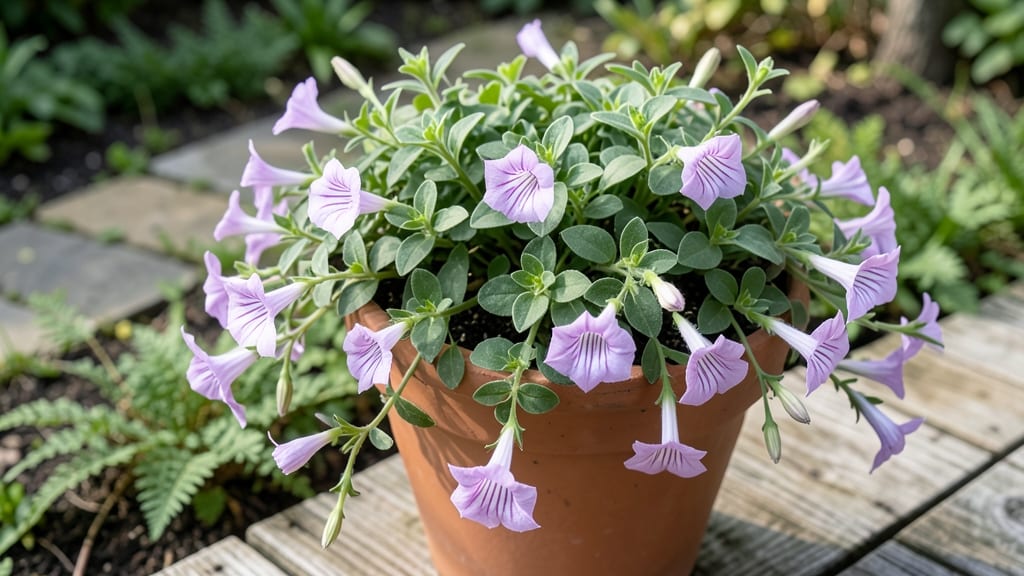
Wishbone flowers thrive in sun or shade, making them the ultimate flexible bloomer for any garden spot.
Picture this: your wishbone flower 🌸 baskets overflowing with color, whether tucked under a tree or basking in full sun. It’s not just possible—it’s the secret to their nonstop blooms.
But here’s the catch: not all wishbone flowers handle light the same way. Some varieties practically glow in shade, while others need bright sunlight to show off their best colors.
If you’ve ever struggled to keep your wishbone flowers blooming past summer, the issue is likely light—or the lack of it. Too much sun can scorch delicate leaves, while too little shade can stretch stems thin and leave you with leggy, sparse blooms.
The good news? With the right varieties and a few simple care tweaks, you can turn even the trickiest spots into a blooming paradise.
Below, I’ll break down the best sun-or-shade-tolerant wishbone flowers, how to adjust your care for each lighting condition, and the exact placement tricks that keep them flowering all season long—no guesswork required.
 Best Window Placement
Top 5 sun-or-shade-tolerant wishbone flower varieties for year-round blooms
The wishbone flower (Torenia) thrives in gardens with its cascading blooms and nonstop color, but its light needs can be confusing. Some varieties handle full sun beautifully, while others prefer partial shade.
The key is choosing the right cultivar for your garden's lighting conditions. Whether you have a bright border or a shady patio, these sun-or-shade-tolerant varieties will deliver vibrant blooms all season long.
I’ve tested these varieties in my own garden—from the harsh afternoon sun of my southern exposure to the dappled shade under my oak tree. The results? Consistent blooms, lush foliage, and minimal stress on the plants.
Let’s dive into the top 5 wishbone flower varieties that adapt to almost any light condition, so you can enjoy their charm year-round.
🌸 Comparison Table: Sun vs. Shade Tolerance in Wishbone Flowers
| Variety | Light Needs | Bloom Colors | Height | Best For |
|---|---|---|---|---|
| Blue Wishbone | Partial shade to full sun | Blue, white, purple | 12-18 inches | Containers, hanging baskets |
| Fireworks | Partial shade to morning sun | Pink, red, white | 10-14 inches | Shady borders, patios |
| Mystic Spangles | Full sun to partial shade | Purple, yellow, white | 14-18 inches | Sunny beds, mixed borders |
| Black Velvet | Partial shade only | Deep purple, black | 10-12 inches | Woodland gardens, shade |
| Sunny Spangles | Full sun to partial shade | Yellow, orange, red | 12-16 inches | Sunny containers, borders |
The Blue Wishbone variety is my go-to for gardens with morning sun and afternoon shade. It handles both conditions beautifully, producing vibrant blue blooms that last all summer. I’ve seen it thrive in hanging baskets under patio umbrellas and in ground beds near shrubs that cast light shade.
The secret? Its ability to adapt without becoming leggy or stressed.
For shadier spots, the Fireworks series is unbeatable. This variety loves dappled sunlight and even performs well in deep shade, though it may produce slightly smaller blooms. The pink and red flowers add a pop of color to areas where other plants struggle.
I’ve used it to brighten my woodland garden under pine trees, and it’s always the first to bloom in spring.
If you’re dealing with full sun exposure, the Mystic Spangles variety is a game-changer. It’s one of the few wishbone flowers that can handle direct sunlight without wilting. The purple and yellow blooms contrast beautifully against green foliage, and it’s perfect for sunny borders or container gardens on patios.
Just be sure to water it consistently—sun-loving varieties dry out faster.
The Black Velvet variety is a shade specialist, ideal for gardens with little to no sunlight. Its deep purple-black blooms create a striking contrast in woodland settings or under dense tree canopies. While it won’t thrive in full sun, it’s one of the most drought-tolerant options for shady areas.
I’ve grown it in nursery pots under my deck, and it’s bloomed nonstop from spring to frost.
Lastly, the Sunny Spangles variety is a sun-seeker that also tolerates partial shade. Its bright yellow and orange flowers add warmth to any garden, and it’s perfect for sunny containers or border plantings.
Unlike other varieties, it doesn’t require constant watering in full sun, making it low-maintenance. I’ve even seen it
How to maximize blooms: light, soil, and watering tips for wishbone flowers
Wishbone flowers (Torenia) thrive with the right balance of light exposure, soil moisture, and watering consistency. Unlike many sun-loving plants, they adapt beautifully to partial shade, making them perfect for shady patios or sun-dappled garden beds.
The key is understanding how their needs shift between morning sun and afternoon shade—especially in hot climates where direct afternoon rays can scorch delicate foliage.
Start with well-draining soil enriched with organic compost to retain moisture without sogginess. Wishbone flowers hate soggy roots, which can lead to root rot in shaded areas. For containers, mix peat moss or coconut coir into potting soil to improve aeration.
In ground beds, amend clay soil with sand or perlite to prevent compaction, which worsens in low-light conditions.
🌱 Wishbone Flower Care Quick Guide
| Condition | Sun Exposure | Soil Needs | Watering |
|---|---|---|---|
| Full Sun | 4-6 hrs/day | Fast-draining mix | Every 2-3 days |
| Partial Shade | 2-4 hrs/day | Moisture-retentive | Every 3-4 days |
| Deep Shade | <2 hrs/day | Humus-rich soil | Every 4-5 days |
✅ Pro Tip: Mulch with pine bark to retain moisture in shade and prevent soil crusting in sun.
Watering is where many gardeners trip up—especially in shady spots. Wishbone flowers in shade need more frequent but lighter watering to prevent fungal diseases like powdery mildew, while those in sun require deep soakings to encourage strong root growth.
Always water at soil level (not overhead) to avoid wetting leaves, which promotes disease. In containers, check soil moisture daily during hot weeks—containers dry out 3x faster than ground beds.
Pruning is your secret weapon for nonstop blooms. Pinch back leggy stems in shade to encourage bushier growth, and deadhead spent flowers every 2-3 days to redirect energy into new blooms. For sun-exposed plants, trim back overly long stems to prevent flopping.
Use clean, sharp scissors to avoid damaging tender stems, and always prune in the morning when foliage is dry to reduce disease risk.
Avoid these common mistakes that stunt blooms: Overwatering in shade (leads to root rot), underwatering in sun (causes brown edges), and skipping humidity boosts in dry climates. Group wishbone flowers with foliage plants like ferns or hostas to create a microclimate that retains moisture.
In arid areas, mist leaves daily during heatwaves to mimic their tropical origins.
With these adjustments, your wishbone flowers will reward you with vibrant blooms from spring to frost. Start with the right light balance, tweak your watering routine, and prune regularly to keep them thriving—whether basking in morning sun or lounging in dappled shade. Happy gardening! 🌿