
Flowers
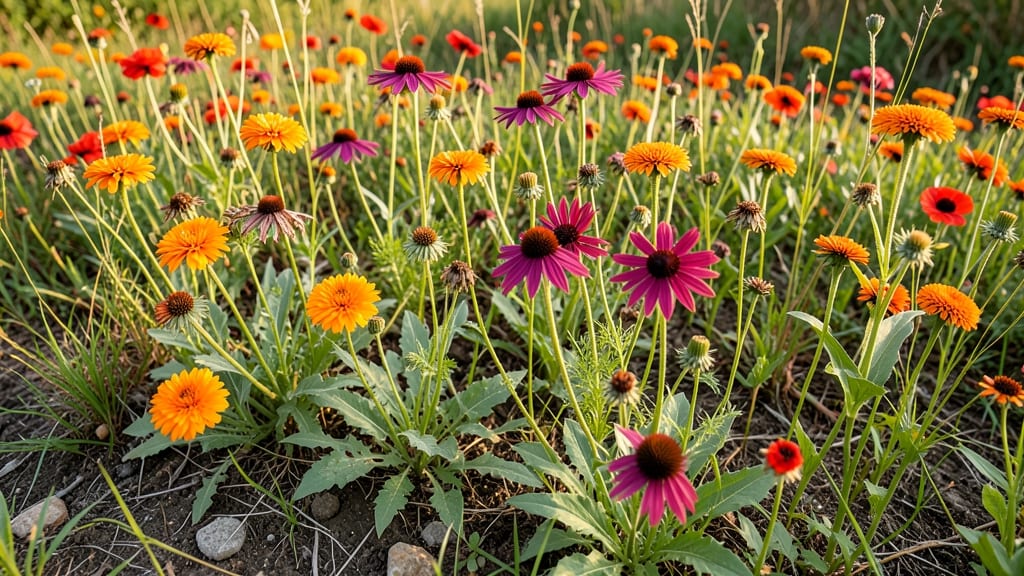
Wildflowers can be annuals or perennials, and knowing the difference is the key to planning a garden that blooms year after year with minimal effort.
Picture this: you plant a wildflower mix in spring, and by summer, your garden is a riot of color. But come fall, the blooms fade—only to return next year without replanting. That’s the magic of perennials like black-eyed Susans and cone flowers, which regrow season after season.
On the other hand, annuals like cosmos and zinnias put on a show for one season before needing a fresh batch of seeds.
This distinction isn’t just about aesthetics—it shapes your garden’s maintenance, budget, and even its ecological impact. Annuals deliver quick, vibrant bursts of color but require yearly replanting, while perennials offer long-term beauty with less upkeep.
Some wildflowers, like biennials (think foxglove), take two years to complete their life cycle, adding another layer to the mix.
In this guide, you’ll learn how to spot the signs of each type, discover the best wildflowers for your climate, and plan a garden that stays stunning from spring to fall—no guesswork required.
How to identify wildflower life cycles: annual vs perennial breakdown
Understanding whether your wildflowers are annuals or perennials is the first step to creating a garden that blooms beautifully year after year. Annuals complete their entire life cycle in just one growing season, while perennials return year after year, often with stronger growth each time.
This distinction affects everything from planting schedules to maintenance efforts.
Annual wildflowers like cosmos and marigolds burst into color quickly and provide vibrant blooms for a single season. They’re perfect for filling gaps in your garden or creating instant impact.
Perennials, such as black-eyed Susans and cone flowers, establish roots over time and reward you with blooms for multiple years, making them ideal for long-term landscaping.
Here’s how to tell them apart at a glance—and why it matters for your garden planning:
Annual vs Perennial Wildflowers Comparison
| Characteristic | Annual Wildflowers | Perennial Wildflowers |
|---|---|---|
| Life Span | 1 growing season | 3+ years (often 5-10+) |
| Growth Pattern | Fast, aggressive | Slow, steady |
| Bloom Time | Summer to fall (varies by species) | Spring through fall (often staggered) |
| Seed Production | High (self-seeds easily) | Moderate (focuses on root growth) |
| Maintenance | Low (remove spent blooms) | Moderate (deadhead, divide clumps) |
| Examples | Cosmos, marigolds, zinnias | Coneflower, black-eyed Susan, bee balm |
| Garden Use | Fill gaps, instant color | Long-term borders, pollinator havens |
One key difference is how they handle seed production. Annuals pour energy into creating seeds quickly, often self-seeding prolifically for next year’s garden. Perennials, however, invest energy into building strong root systems, which means they may not produce as many seeds but return with bigger, hardier blooms each season.
If you’re designing a low-maintenance garden, perennials are your best bet—they thrive once established and require minimal replanting. For a garden that changes colors seasonally or fills in empty spaces quickly, annuals are perfect.
I like to mix both: plant perennials as the backbone of my garden and fill gaps with annuals for instant color.
Another tip: pay attention to the leaf structure. Annuals often have softer, more delicate leaves, while perennials tend to have thicker, more robust foliage. This can be a quick visual clue when shopping for seeds or seedlings.
For example, cosmos leaves are feathery and fine, while cone flowers have broad, sturdy leaves.
Don’t forget about biennials, which are a hybrid category. These plants, like foxglove, take two years to complete their life cycle. They’ll grow foliage the first year and bloom the second, then die. Knowing this helps you plan for delayed gratification in your garden!
For pollinator-friendly gardens, perennials often win because they provide consistent nectar sources. Annuals like sunflowers and zinnias are also excellent for bees and butterflies, especially if you plant them in succession to extend the blooming season.
The key is to understand each plant’s role and how it fits into your garden’s timeline.
Finally, consider your climate zone. In colder regions, some perennials may act like annuals if they don’t survive winter. Always check the hardiness zone of your wildflowers to ensure they’ll return year after year. With this knowledge, you can create a garden that’s as dynamic as it is beautiful!
Best wildflowers for your garden by life cycle type
Choosing the right wildflowers depends on whether you want quick seasonal color or long-term garden investment. Annuals deliver instant beauty but require yearly replanting, while perennials return year after year with minimal effort. For busy gardeners, I recommend a mix of both to create continuous blooms with less work.
Annual wildflowers like cosmos and marigolds thrive in full sun and bloom all summer long. They’re perfect for filling gaps or creating instant impact, but they’ll die back when frost arrives. Perennials like black-eyed Susans and bee balm establish roots that survive winter, rewarding you with years of carefree blooms.
🌱 Top Annual Wildflowers
- Cosmos – Sun-loving, drought-tolerant, blooms summer to frost (🌻)
- Zinnias – Bright colors, attracts pollinators, 30-75 days to bloom (🌸)
- Sunflowers – Tall and striking, fast-growing, 60-90 days to maturity (🌻)
- Marigolds – Pest-repellent, full sun, 45-60 days to bloom (🌼)
🌿 Top Perennial Wildflowers
- Black-Eyed Susan – Golden blooms, drought-resistant, summer to fall (🌻)
- Coneflower – Pollinator magnet, long bloom season, 3-4 ft tall (🌼)
- Bee Balm – Red/pink blooms, attracts hummingbirds, part shade (🐝)
- Lavender – Fragrant, drought-tolerant, perfect for borders (🌿)
For low-maintenance gardens, I recommend starting with a few hardy perennials like cone flowers or black-eyed Susans. These establish quickly and thrive with minimal water once rooted. Add annuals like cosmos or zinnias to fill gaps and extend your bloom season.
Pro tip: Mix tall annuals (like sunflowers) with mid-height perennials (like bee balm) for a layered, dynamic look. This combo ensures your garden stays vibrant from spring through fall without constant replanting.
Remember, perennials often take 1-2 years to reach full maturity but pay off with years of blooms. Annuals, on the other hand, give you instant gratification—just be ready to replant next season. The best part? Both types attract pollinators and support local ecosystems while keeping your garden lively.