
Neem Oil
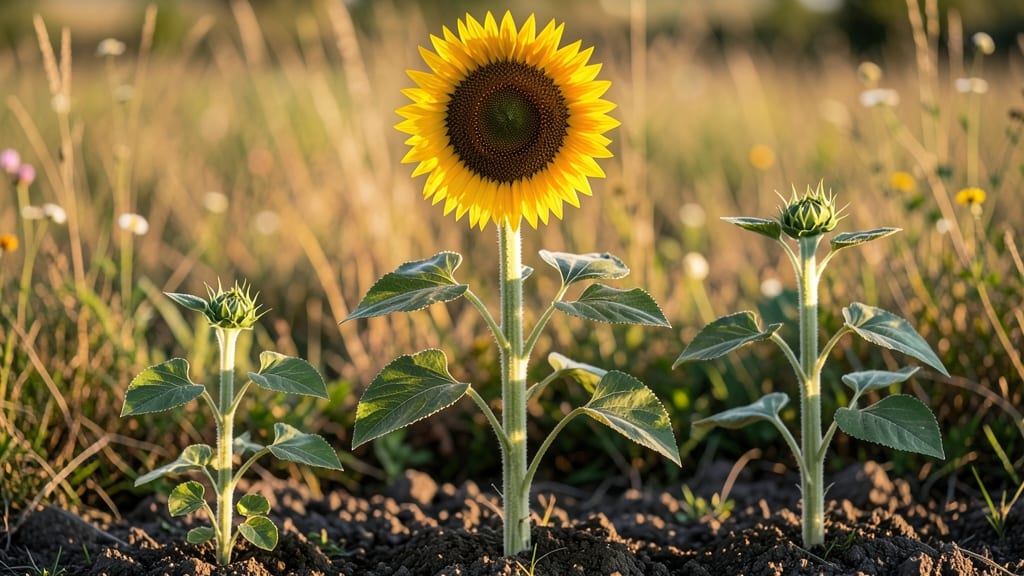
The growth stages of the black oil sunflower transform it from a delicate sprout into a towering powerhouse 🌻 that feeds birds and yields high-oil seeds.
If you’ve ever planted these giants only to watch them bolt too fast or flop in the heat, you’re not alone. The key to success lies in recognizing each growth phase—from germination to seed maturity—so you can adjust care at the right time.
From the first true leaves to the moment the back of the head turns brown, this guide breaks down what to expect month by month, plus how to spot trouble before it derails your crop.
You’ll learn when to water deeply, when to fertilize, and exactly how to tell when those seeds are finally ready for harvest—no guesswork involved.


Black oil sunflower growth stages by month: what to expect from seed to harvest
Tracking your black oil sunflower growth stages month-by-month transforms guesswork into confidence. These sunflowers grow rapidly, reaching maturity in just 75–120 days, but each phase requires specific care.
From the first seedling emergence to seed ripening, understanding these stages ensures you optimize sunlight, water, and nutrients for maximum yield.
I’ve grown black oil sunflowers for years, and the key to success lies in recognizing physical milestones like leaf development, bud formation, and flower color changes. Each stage demands slightly different conditions—moisture levels shift from high during germination to moderate as roots establish, while fertilizer needs peak during flowering.
Let’s break down what to expect each month, so you can intervene at the right time.
🌱 Germination (Week 1–2): Tiny sprouts emerge with cotyledon leaves (the first true leaves). Keep soil consistently moist but not soggy, and place seeds in full sun (6+ hours daily). Thin seedlings to 6 inches apart once they reach 2 inches tall to prevent competition.
🌿 Vegetative Growth (Month 2): Plants shoot up quickly, developing rosette leaves and a sturdy stem. This is when roots spread aggressively—deep watering 1–2 times per week encourages stronger growth. Watch for yellowing leaves, which may signal overwatering or nutrient deficiency.
| Stage | Month | Key Milestones | Care Focus |
|---|---|---|---|
| Germination | April–May | Cotyledon leaves appear, 2-inch seedlings | Consistent moisture, thin seedlings |
| Vegetative | May–June | Rapid stem growth, rosette leaves | Deep watering, balanced fertilizer |
| Budding | June–July | Flower buds form, 4–6 ft tall | Phosphorus-rich feed, stake if needed |
| Flowering | July–August | Bright yellow blooms open, 8–12 ft tall | Support pollinators, reduce water slightly |
| Seed Ripening | August–September | Petals wilt, seed head browns | Harvest when back turns brown |
By Month 3 (June), your sunflowers enter the budding stage, where flower buds form at the top of the stem. This is when plants need phosphorus-rich fertilizer (like 5-10-10) to support flower development.
You’ll notice stems reaching 4–6 feet tall, so consider staking if your garden experiences wind or heavy rain.
During Month 4 (July), the flowering phase begins with vibrant yellow blooms opening fully. This stage lasts 2–3 weeks, and you’ll see bees and butterflies flocking to your garden.
Reduce watering slightly to prevent bud rot, but keep soil moist enough to support seed development. Watch for drooping petals, which signal the transition to seed ripening.
In Month 5 (August), the seed ripening stage kicks in as petals wilt and the seed head turns brown. The back of the head should feel dry and papery, and seeds will rattle when shaken.
Harvest at this point to preserve oil content, or leave a few heads on the plant for wildlife food sources. Cut stems 2–3 inches below the head and hang them upside down in a dry, dark place to finish drying.
If you’re growing black oil sunflowers for seed production, pay close attention to the seed head color. A fully mature head will turn a deep chocolate-brown, while immature seeds remain greenish-yellow.
Harvesting too early reduces oil content, while waiting too long risks seed loss to birds or mold. Aim for 90–120 days after planting for optimal seed quality.
One of my biggest lessons? Overwatering during flowering can cause bud drop, while underwatering in early stages stunts root growth. Adjust your watering schedule based on rainfall—1–2 gallons per plant weekly is ideal, but reduce to every 5–7 days once flowers appear.
Mulching around the base helps retain moisture and suppresses weeds, which compete for nutrients.
By understanding these monthly milestones, you’ll know exactly when to fertilize, prune, or harvest for the best results. Whether you’re growing for birdseed, culinary oil, or simply to attract pollinators, tracking these stages
Critical growth stage mistakes to avoid: when black oil sunflowers go wrong
Black oil sunflowers grow with surprising speed, but their rapid progress makes it easy to miss early warning signs of trouble. Overwatering at germination or nutrient deficiencies during flowering can derail your entire crop if you don’t catch them in time.
Even experienced gardeners sometimes misdiagnose issues—yellowing leaves might signal fungal infections or nutrient imbalances, while stunted growth could mean inadequate sunlight or root damage. The key is learning to read your plants’ signals at each stage.
🌱
⚠️ Stage-Specific Red Flags
Germination (0-14 days): Seeds rotting in soil? Overwatering or poor drainage is likely. Fix by adjusting watering to light misting and improving soil aeration.
Vegetative (2-6 weeks): Yellow lower leaves with green veins? Nitrogen deficiency. Apply balanced fertilizer (5-10-10) and mulch to retain moisture.
Flowering (6-10 weeks): Buds dropping before opening? Phosphorus shortage or heat stress. Provide afternoon shade and feed with high-phosphorus fertilizer.
One of the most common mistakes occurs during the vegetative stage when gardeners assume "more is better" with water or fertilizer. Black oil sunflowers actually prefer moderate moisture—overwatering leads to root rot and weak stems that can’t support their own weight.
At the flowering stage, watch for aphids or spider mites clustering on buds. These pests suck plant juices, causing buds to deform or drop. A strong spray of water can dislodge them, or use neem oil as a preventative measure every 7-10 days.
Even after flowering begins, many gardeners make the fatal mistake of ignoring stem strength. If your sunflowers develop hollow stems or lean excessively, they’ll snap under their own weight. Stake tall varieties early and provide support at the base to prevent breakage.
Finally, at maturity, don’t harvest too early! Waiting until the back of the head turns brown ensures maximum oil content in the seeds. Harvesting prematurely means lower yield and quality, so mark your calendar 90-120 days after planting.