
Flowers
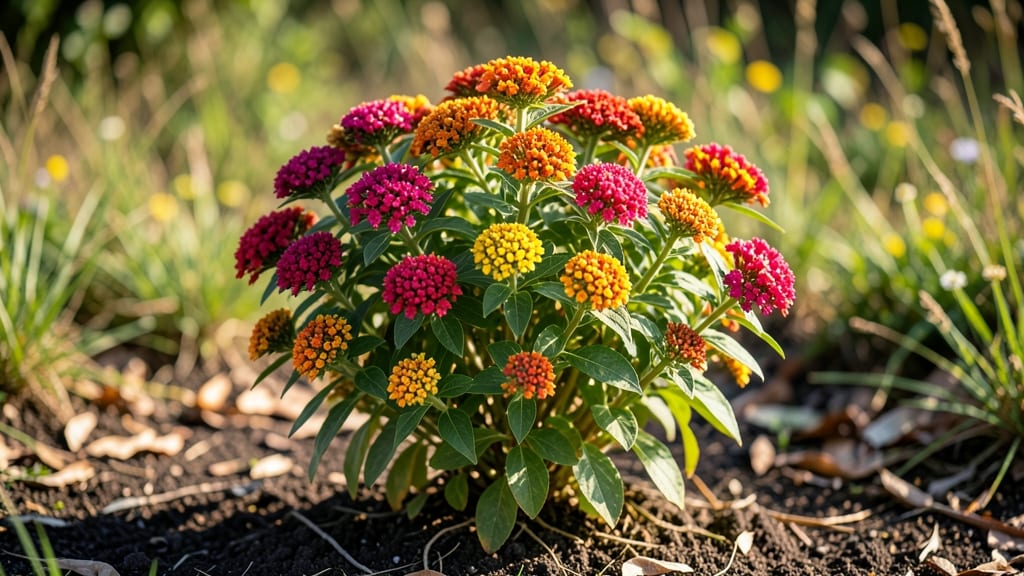
Lantana flowers attract butterflies like no other plant in your garden 🌸 — their bright clusters and sweet nectar make them a pollinator powerhouse.
Picture this: a warm afternoon, the air humming with wings as butterflies flit from bloom to bloom on your lantana. It’s not just a pretty sight—it’s proof your garden is working hard to support local ecosystems.
But here’s the secret most gardeners miss: it’s not just about planting lantana. It’s about creating the right conditions so those butterflies keep coming back all season long.
In this guide, you’ll discover how to turn your lantana into a butterfly buffet—from the best placement in your yard to the companion plants that keep the wings fluttering. We’ll also cover the common mistakes that send butterflies packing and how to fix them fast.
Ready to transform your garden into a buzzing, blooming paradise? Let’s get started with the easiest ways to make your lantana irresistible to pollinators.
Why lantana flowers are a butterfly’s favorite food source (and how to keep them blooming)
Lantana flowers aren’t just stunning—they’re a butterfly superfood. These clustered blooms produce high-sugar nectar that fuels migrating butterflies, while their foliage hosts caterpillars for monarchs and fritillaries. The secret lies in their continuous blooming cycle and fragrant petals, which act like an all-you-can-eat buffet for pollinators.
If your lantana isn’t covered in fluttering wings, it’s time to optimize its appeal with a few simple tweaks.
Butterflies aren’t the only visitors—lantana’s bright colors and compact form also attract hummingbirds and bees. The key to maximizing their pollinator magnetism is understanding their nutritional needs and matching them with ideal growing conditions.
From sunlight exposure to pruning techniques, every detail matters when creating a butterfly-friendly oasis that keeps these delicate creatures returning season after season.
To keep your lantana blooming like a butterfly buffet, start with the right sunlight placement. These plants thrive in full sun (6+ hours daily), but even 6 hours of morning sun works in hotter climates.
If your lantana receives less, supplement with a south-facing garden bed or reflective surfaces to boost light exposure. The more sunlight, the more nectar-rich flowers your lantana will produce.
Soil prep is equally critical. Lantana prefers well-draining soil with a slightly acidic to neutral pH (6.0-7.0). Amend heavy clay with compost or sand to prevent root rot, which can stress the plant and reduce blooming.
A light layer of mulch (2-3 inches) helps retain moisture while keeping roots cool—a win for both the plant and visiting butterflies.
Pruning is the secret weapon for non-stop blooms. Pinch back new growth tips in spring to encourage bushier growth, then deadhead spent flowers regularly to prompt new blooms.
For established plants, a light pruning in early spring removes dead wood and shapes the shrub, while summer trims keep it compact and flowering. Avoid heavy pruning in fall, as this can delay spring blooming.
Watering plays a surprising role in butterfly attraction. While lantana is drought-tolerant, consistent moisture during hot, dry spells ensures vibrant flowers that butterflies can’t resist. Water deeply 2-3 times per week in summer, focusing on the root zone to avoid wetting foliage (which attracts pests).
In winter, reduce watering to once a month unless your region experiences freezing temperatures.
Seasonal care keeps your lantana butterfly-proof year-round. In spring, apply a balanced fertilizer (10-10-10) to encourage new growth, then feed monthly during summer blooming. Skip fall fertilizing, as the plant prepares for dormancy.
Overwintering lantana in USDA Zone 8+ requires minimal care—just protect from frost and reduce watering. In colder zones, mulch heavily and prune lightly in late winter.
For extra butterfly appeal, plant lantana near native wildflowers like milkweed or coneflower. These companion plants provide additional nectar sources and host plants for caterpillars, creating a pollinator highway in your garden.
5 Proven companion plants to double butterfly visits to your lantana garden
Your lantana is already a butterfly hotspot, but pairing it with the right companion plants creates a nonstop buffet that keeps wings fluttering all season. The secret lies in layering blooms—each plant should offer nectar or host caterpillars during different seasons.
This ensures butterflies always have a reason to visit, from early spring to late fall.
Not all companion plants are equal—some are superstars at attracting butterflies, while others just play a supporting role. To help you choose wisely, I’ve ranked each plant’s pollinator priority based on nectar abundance, bloom duration, and caterpillar host value. Think of this as your garden’s VIP list for butterfly hospitality.
Start with milkweed—it’s the ultimate butterfly magnet, especially for monarchs. Plant it 12-18 inches away from your lantana to create a pollinator corridor. Milkweed’s tall spikes (3-5 feet) provide vertical interest while offering nectar from late spring through summer.
Pro tip: Choose native varieties like Asclepias tuberosa for maximum local butterfly appeal.
For extended blooming power, add salvia varieties like Salvia coccinea (scarlet sage) or Salvia nemorosa (purple sage). These plants thrive in full sun and produce clustered flowers that butterflies adore.
Space them 18-24 inches apart—their upright growth habit complements lantana’s bushy form. Salvia also repels pests like aphids, giving your lantana an extra layer of protection.
Don’t overlook zinnias—they’re the underrated workhorses of butterfly gardens. Their bright, daisy-like blooms come in colors that mimic lantana’s hues, creating a cohesive look. Plant zinnias in clusters (3-5 plants together) 12 inches apart for maximum impact.
They bloom from summer to frost, ensuring butterflies have a late-season feast when other plants fade.
To create a year-round butterfly buffet, layer these companions with seasonal timing in mind. Plant milkweed in early spring, salvia in late spring, and zinnias in early summer.
This staggered approach ensures continuous blooms—no gaps where butterflies might wander off to greener pastures. And always deadhead spent blooms to encourage new flowers and keep the nectar flowing.
Finally, coneflower (Echinacea) adds ruffled texture and attracts a wide range of pollinators, including bees and hummingbirds. Its daisy-like blooms on sturdy stems (2-4 feet tall) make it a low-maintenance addition.
Plant it 18-24 inches away from lantana, and watch as butterflies like the black swallowtail make it their second home.