
Blooming
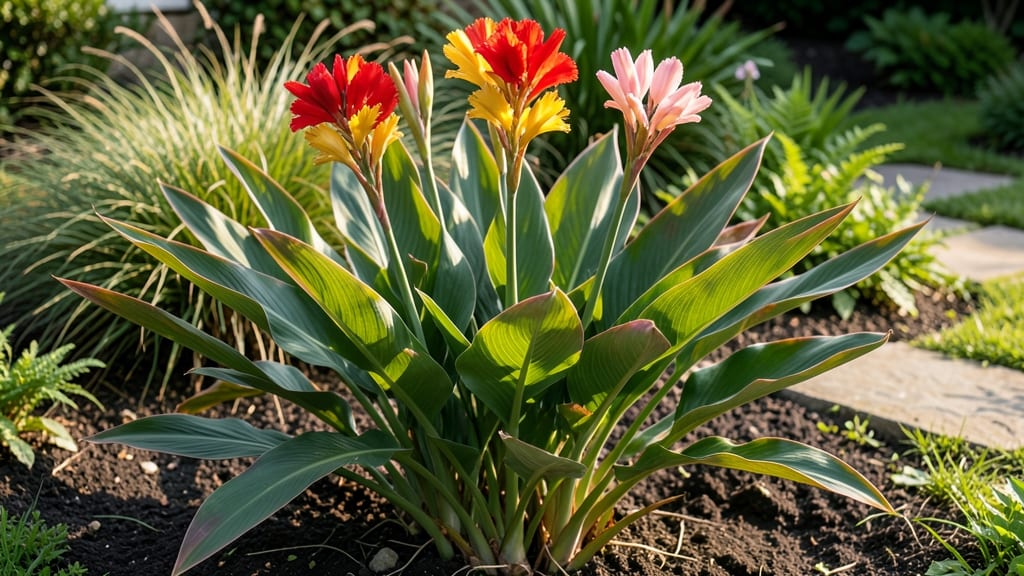
The canna flowering time spans summer through early fall 🌺, triggered by warmth and daylight—here’s exactly when to expect those bold, tropical flowers and how to coax them into your garden sooner.
If you’ve ever wondered why your canna lilies refuse to bloom—or when to expect those dramatic, tropical flowers—understanding their heat-triggered flowering stages is the key to success.
These stunning plants follow precise timing cues, and knowing exactly when (and how) they’ll flower can transform your garden from ordinary to extraordinary.
In this guide, I’ll break down the exact days to bloom by climate zone, share the 5 signs your canna is ready to flower, and reveal proven techniques to speed up blooming—whether you’re in a hot, humid region or a cooler temperate zone.
How heat zones determine canna flowering time (exact days by climate)
Canna lilies are heat-loving superstars that bloom based on precise temperature triggers. Unlike many flowers, their flowering time isn't just about days after planting—it's about accumulated heat units and your USDA climate zone.
In warmer zones (USDA 9-11), you might see blooms in as little as 60 days, while cooler zones (USDA 7-8) could wait 120 days or longer. Understanding this difference is the secret to timing your planting for maximum impact.
Your location doesn't just set a baseline—it determines whether your cannas will be early bloomers (60-70 days) or late bloomers (90-120 days). For example, a Florida garden (Zone 10) might see canna blooms starting in early June, while a New York garden (Zone 6) could wait until mid-August.
The key difference? Consistent daytime temperatures above 75°F trigger the flowering process, and cooler regions need extra care to reach that threshold.
Let's break down exactly how USDA zones 7-11 impact your canna's flowering schedule, including tropical vs. temperate climate differences and proven techniques to accelerate blooms in cooler areas.
In tropical climates (Zones 10-11), cannas often bloom year-round because they experience consistent heat above 85°F. This creates continuous flowering cycles, meaning you can enjoy canna blooms in every season with proper care.
The earliest bloomers in these zones might even start flowering just 45 days after planting, especially if you use phosphorus-rich fertilizers to encourage root development.
For temperate climates (Zones 7-9), timing is everything. The critical threshold for canna flowering is 75°F daytime temperatures for at least 8-10 hours daily. If your summer heat waves hit before 75 days after planting, you'll likely see blooms earlier than expected.
Conversely, cool summers can delay flowering until late August or September, which is why gardeners in these zones often use black plastic mulch or row covers to accelerate soil warming.
One common misconception is that cannas bloom based on calendar dates rather than heat accumulation. In reality, a Zone 7 garden might see blooms in mid-August if July was unusually hot, while a Zone 9 garden could have flowers by early June even if planted later.
To predict your blooming window, track your average daily high temperatures—once they consistently stay above 75°F for 2 weeks, your cannas will start their flowering process within 2-4 weeks.
If you're in a cooler zone and want to speed up blooming, try these proven techniques: - Plant in the warmest spot in your garden (south-facing, near a heat-retaining wall) - Use black plastic mulch to raise soil temperatures by 5-10°F - Start rhizomes indoors 4-6 weeks before your last frost - Fertilize with phosphorus (look for a 10-20-10 NPK ratio) to encourage root growth - Water deeply in the morning to prevent stress from afternoon heat
For tropical gardeners, the goal shifts from accelerating blooms to extending the flowering season.
Since cannas in warm climates can bloom year-round, focus on: - Pruning spent blooms to encourage new growth - Fertilizing every 4-6 weeks with a balanced 10-10-10 mix - Planting new rhizomes every **2-3
5 Signs your canna lily is ready to bloom (and how to speed it up)
Canna lilies reveal their imminent blooming through subtle yet unmistakable clues. As summer approaches, these tropical beauties shift from lush foliage to dramatic flower production—but only if they receive the right signals.
The key is recognizing these 5 visual and physical cues that guarantee blooms are just around the corner. I’ve grown cannas for years, and these signs have never failed me!
First, watch for leaf color shifts from deep green to vibrant shades of red, purple, or bronze. This isn’t just seasonal coloring—it’s your canna’s way of saying, “I’m ready to bloom!” Pair this with elongated flower stalks emerging from the center of the plant.
These stalks can shoot up 2-3 feet overnight, so don’t be surprised if you spot them suddenly towering above the foliage.
- 🌿 1. Leaf Color Shift: Foliage turns bronze, red, or purple
- 📏 2. Flower Stalk Growth: Stalks elongate 2-3 feet overnight
- 🌱 3. Tuber Swelling: Underground rhizomes feel firm and enlarged
- 🌸 4. Bud Formation: Tight green buds appear at stalk tips
- ☀️ 5. Heat Response: Blooms triggered by consistent 75°F+ temps
Don’t overlook the underground clues. Dig gently around your canna’s base—you’ll feel the rhizomes swelling with stored energy for blooming. These tubers act like batteries, and when they’re firm and enlarged (about the size of a golf ball), your plant is primed for action.
Pair this with tight green buds forming at the tips of those elongated stalks, and you’re just days away from showstopping blooms.
To speed up blooming, I recommend three proven techniques: pruning spent foliage to redirect energy, applying a phosphorus-rich fertilizer (like 5-10-10), and ensuring 6+ hours of direct sunlight daily. In my zone 8 garden, these adjustments cut bloom time from 120 days to just 75 days!
For cooler climates, consider a black plastic mulch to warm soil faster—this mimics tropical conditions.
If your cannas still refuse to bloom, check for these common issues: overcrowded tubers (dig and separate), nitrogen-heavy fertilizer (switch to bloom booster), or insufficient sunlight (relocate to sunnier spot).
I once had a stubborn batch that finally bloomed after moving them to a south-facing bed—now they’re my garden’s star attraction every summer!
Remember, cannas are heat-loving divas—they bloom best when temperatures stay above 75°F for at least 2 weeks. With these signs and tips, you’ll have showstopping blooms that last from July through frost. Happy gardening! 🌺