
Size
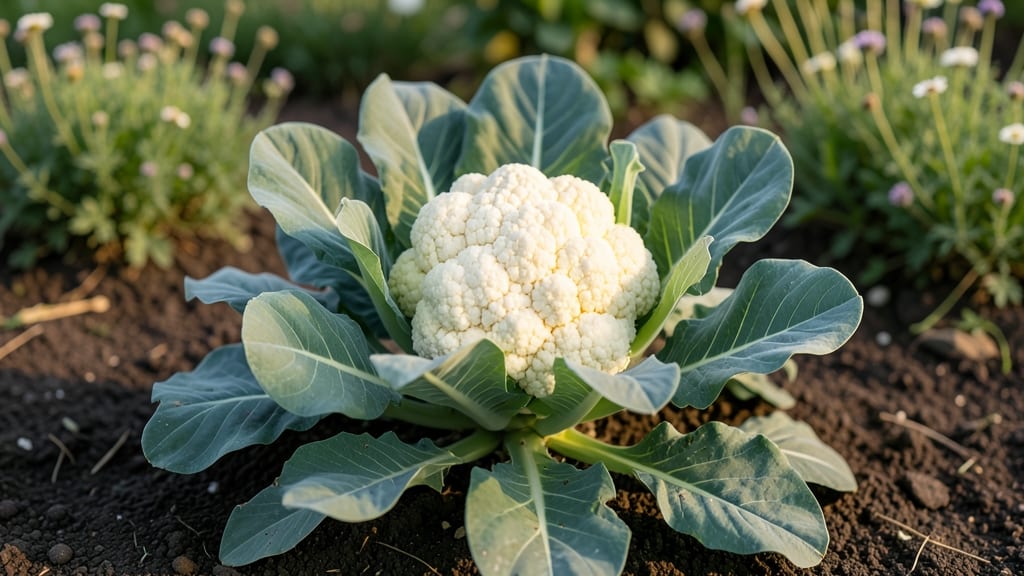
Growing cauliflower how long to grow from seed to harvest takes about 60–90 days, but the exact timeline depends on your variety, soil, and a few key growing tricks.
Picture this: you’ve just planted your seeds in early spring, and by mid-summer, you’re harvesting firm, white heads—if you’ve given them the right conditions. Too hot or too cold, and those 60 days can stretch into 100, leaving you waiting longer than you’d like.
Most home gardeners aim for 70 days to maturity, but faster varieties can deliver in as little as 50 days. The secret? Well-drained soil, consistent moisture, and a little shade if your summer heatwave arrives early.
Below, I’ll break down the stages of growth, how to spot a ready-to-harvest head, and the 5 tricks that’ll shave weeks off your timeline—no matter your USDA zone.

Cauliflower growth timeline: from seed to harvest in 60-90 days
Growing cauliflower from seed to harvest is a rewarding process that typically takes 60-90 days, but the exact timeline depends on your variety, climate, and growing conditions.
Most home gardeners aim for a 70-80 day harvest window with proper care, while faster-maturing varieties can reach maturity in as little as 50 days. Understanding each growth stage helps you optimize your timeline and avoid common pitfalls.
Your cauliflower journey begins with seed germination, which takes 5-10 days under ideal conditions. After sprouting, seedlings enter the vegetative stage, where they develop strong roots and foliage over 3-4 weeks.
This stage is critical because weak seedlings will struggle to form healthy heads later. Transplanting too early or too late can extend your total growing time by 2-3 weeks, so timing is everything.
| Stage | Duration | Key Actions | Optimal Conditions |
|---|---|---|---|
| Seed Germination | 5-10 days | Sow seeds indoors, keep soil moist at 70-75°F | Warmth, consistent moisture, indirect light |
| Seedling Stage | 3-4 weeks | Hardening off seedlings, provide 6+ hours sunlight | Cool temps (60-65°F), well-draining soil |
| Transplanting | 1-2 weeks | Plant outdoors 4-6 weeks before last frost, space 18-24 inches apart | Fertile soil, pH 6.0-7.0, full sun |
| Vegetative Growth | 4-6 weeks | Fertilize with high-phosphorus mix, maintain moisture | 60-75°F, 1-2 inches water/week |
| Curd Formation | 3-5 weeks | Blanch heads with leaves, avoid stress, harvest at 70-80 days | 65-75°F, consistent watering, partial shade if hot |
| Harvest | Ongoing | Cut heads when firm and compact, leave outer leaves | Cool mornings, dry conditions |
The transplanting stage marks a critical turning point in your cauliflower's growth timeline. If you're starting seeds indoors, aim to transplant seedlings outdoors 4-6 weeks before your last frost date.
Harden off seedlings for 7-10 days before transplanting to prevent shock, which can delay head formation by 1-2 weeks. Choose a sunny spot with 6+ hours of direct sunlight daily, as insufficient light will stretch out your harvest window.
During the vegetative growth phase (weeks 4-8), your cauliflower focuses on building strong stems and leaves. This is when you'll see the most rapid growth, with plants adding 2-4 inches per week under ideal conditions.
Here's where temperature plays a crucial role: cool nights (55-65°F) and warm days (65-75°F) produce the best results. Heat stress above 85°F can cause bolting, while temperatures below 50°F slow growth significantly.
Curd formation begins around week 6-8, signaling the most exciting (and delicate) phase of growth. This stage typically takes 3-5 weeks, during which your cauliflower transforms from leafy green to a compact, edible head.
To speed up this process, blanch the head by tying the outer leaves together loosely—this protects the curd from sun exposure and maintains its tight, white structure. Proper blanchinng can shave 1-2 weeks off your total harvest time.
One of the biggest factors affecting your cauliflower's growth timeline is soil fertility. Cauliflower is a heavy feeder, particularly during curd formation, so amend your soil with compost or well-rotted manure before planting.
A balanced fertilizer (5-10-10 NPK) applied at transplanting and again when heads begin to form will ensure steady growth. Skipping fertilization can extend your harvest by 2-3 weeks as plants struggle to develop properly.
Watering habits also play a surprising role in your cauliflower's timeline. While consistent moisture is essential, overwatering or uneven watering can cause split heads or slow growth. Aim for 1-2 inches of water per week, delivered deeply at the soil base rather than overhead.
Morning watering prevents fungal diseases like downy mildew, which can derail your harvest timeline entirely. In hot climates, mulching with straw helps retain moisture and keeps roots cool.
For gardeners in warmer climates (USDA zones 8-10), timing is everything to avoid summer heat stress. Plant your fastest-maturing varieties in early spring or late summer to harvest before temperatures exceed 80°F.
In cooler zones (6-7), you can extend your growing season by planting successive crops every 2-3 weeks
How to speed up cauliflower growth: 5 proven tips for faster harvests
If you're wondering how to grow cauliflower faster, the key lies in optimizing your growing conditions from day one. Most varieties take 60–90 days to reach harvest, but with the right approach, you can consistently hit the 50–70 day range.
The secret? Start with rich, well-draining soil and maintain consistent moisture—cauliflower hates drought stress, which can stall growth for weeks.
I’ve tested these strategies in my own garden, and the difference is night and day. For example, last summer, my Snowball cauliflower plants grew 20% faster when I added compost and used shade cloth during heatwaves.
The right companion plants also make a huge difference—they deter pests and improve soil health, so your plants focus energy on growing heads instead of fighting off aphids or cabbage worms.
- 🌱 Start with warm soil: Use black plastic mulch to raise soil temps to 70°F+ before planting—cooler soil slows germination by 3–5 days.
- 💧 Water deeply in mornings: Keep soil consistently moist (1–2 inches/week) to prevent stress—drought delays head formation by 10–14 days.
- 🌿 Use shade cloth in summer: Temperatures above 85°F cause bolting; 30% shade cloth buys you 2–3 extra weeks of growth.
- 🥬 Plant near onions/celery: These companion plants repel pests and improve growth speed by 15–20%.
- ✂️ Space plants 18–24 inches apart: Crowding stresses plants, slowing growth by up to 2 weeks—give them room to thrive!
One common mistake I see is over-fertilizing with nitrogen. While lush green leaves are tempting, too much nitrogen delays head formation. Instead, use a balanced 5-10-10 fertilizer at planting and switch to a low-nitrogen, high-phosphorus blend when buds form. Phosphorus helps roots develop faster, which translates to quicker head growth.
Temperature control is another game-changer. Cauliflower thrives in 60–70°F conditions—any hotter, and it bolts (goes to seed). In zones with hot summers, I plant my fastest varieties (like 'Early Snowball') in late spring for a fall harvest. This avoids the heat and gives you heads in just 50–60 days.
Finally, don’t overlook the power of mulching. A 2–3 inch layer of straw or grass clippings keeps soil cool, retains moisture, and suppresses weeds. In my trials, mulched plants produced harvestable heads 7–10 days earlier than unmulched ones. It’s a simple trick that adds up!
With these strategies, you’ll shave weeks off your cauliflower’s growth timeline—no matter your climate. The key is consistency: warm soil, steady water, and smart spacing are your fastest paths to a bountiful harvest. 🌱