
Flowers
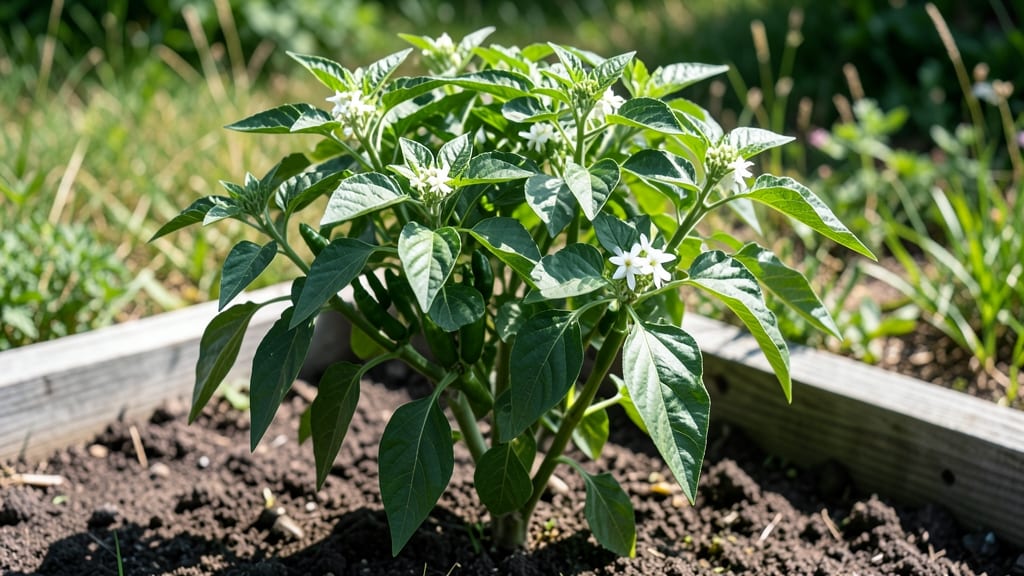
The vibrant cayenne pepper flower 🌶️ is where the magic of heat begins — without it, you’ll never grow those fiery peppers you crave.
Did you know that vibrant cayenne pepper flowers don’t just add beauty to your garden—they’re the secret to growing peppers with explosive heat? Understanding how to nurture these delicate blooms is the key to unlocking next-level spice in your harvest.
Too many gardeners focus only on the leaves or fruit, but the flowers are the real game-changer. They determine how many peppers you’ll get and how hot they’ll be.
In this guide, I’ll show you how to encourage more blooms, troubleshoot common issues, and even boost pollination for bigger, hotter cayenne peppers.
Why cayenne pepper flowers matter for heat production
When you see those stunning white and purple cayenne pepper flowers blooming on your plants, they’re not just pretty—they’re the foundation for your next spiciest harvest. These delicate blooms hold the secret to developing capsaicin-rich peppers, the compound that gives cayennes their signature kick.
Without proper flower development and pollination, your plants might produce fruit, but it’ll lack the intense heat gardeners love.
Each cayenne pepper flower contains the potential for a pepper pod, but not all flowers will successfully develop fruit. Understanding the botanical process behind flower-to-fruit transformation helps you maximize your plant’s heat production.
The more flowers you encourage, the more opportunities your plant has to develop high-capsaicin peppers that will make your dishes sing with flavor.
The anatomy of a cayenne pepper flower plays a crucial role in this process. Each flower has both male and female reproductive parts, but they’re not always perfectly aligned for self-pollination.
The female stigma (the top part) must receive pollen from the male anthers (the bottom part) to trigger fruit development. When pollination succeeds, the ovary at the base of the flower begins transforming into a pepper pod.
Here’s where things get interesting for heat lovers: the capsaicin production in peppers is directly tied to fruit development. As the flower fertilizes and the pepper begins growing, the plant redirects energy into producing capsaicin compounds that protect the seeds.
The more successful pollinations you achieve, the more peppers your plant will produce—and the higher the potential for intense heat.
However, not all flowers will set fruit, even under ideal conditions. Some may drop off due to environmental stress, poor pollination, or nutrient deficiencies. The flowers that do develop fruit often produce peppers with varying heat levels.
This is why experienced growers focus on maximizing both flower quantity and pollination success to ensure a bountiful harvest of fiery cayennes.
Temperature also plays a surprising role in heat development. Cayenne peppers thrive in warm conditions (70-85°F), but extreme heat above 90°F can cause flowers to drop before pollination occurs. Similarly, cool nights below 60°F can slow down the flowering process.
Finding that sweet spot in your growing conditions ensures your flowers have the best chance to develop into high-capsaicin peppers.
One common misconception is that all cayenne pepper flowers will produce fruit. In reality, only about 30-50% of flowers typically set fruit under natural conditions. This is where your gardening skills come into play.
By providing optimal growing conditions—full sun exposure, proper fertilization, and active pollination support—you can significantly increase your plant’s fruit set ratio and maximize the potential for explosively hot peppers.
For those growing cayennes in containers or greenhouses, you might need to take pollination into your own hands. A simple paintbrush pollination technique—gently brushing the anthers against
Proven techniques to encourage more cayenne pepper flowers
If your cayenne pepper plants are producing flowers but not enough to satisfy your spice needs, don’t worry—there are proven strategies to turn that around. The key lies in understanding how to create the perfect environment for flowering.
Cayenne peppers thrive when given the right balance of sunlight, temperature, and nutrients, all of which directly impact how many flowers your plants will produce.
Many gardeners overlook the importance of seasonal timing and pruning techniques, which can drastically reduce flower production. For example, pruning at the wrong time or providing inconsistent water can stress your plants and lead to fewer blooms.
Let’s dive into the specific techniques that will transform your garden into a cayenne pepper powerhouse, packed with vibrant flowers and fiery fruit.
- 1 Maximize Sunlight Exposure: Ensure your cayenne peppers receive 6-8+ hours of direct sunlight daily. Place them in the sunniest spot in your garden, as insufficient light leads to fewer flowers.
- 2 Prune Strategically: Prune your plants in early spring to remove dead or weak growth. Avoid heavy pruning during the flowering season, as this can reduce bloom production.
- 3 Maintain Ideal Temperatures: Cayenne peppers prefer temperatures between 70-85°F. Use row covers or shade cloths during extreme heat to prevent flower drop, especially in USDA Zones 7-9.
- 4 Use Organic Fertilizers: Feed your plants with a balanced fertilizer (5-10-10) every 4-6 weeks during the growing season. Avoid over-fertilizing with nitrogen, as this promotes leafy growth at the expense of flowers.
- 5 Encourage Pollination: Hand-pollinate flowers by gently shaking plants or using a small brush to transfer pollen. This is especially useful in greenhouse settings or areas with few pollinators.
One of the most common mistakes gardeners make is overwatering or underwatering their cayenne peppers. Too much water can lead to root rot, while too little causes stress, both of which reduce flower production.
Aim for deep watering every 3-5 days, ensuring the soil stays consistently moist but not soggy. Mulching around the base of your plants helps retain moisture and keeps roots cool.
Timing is everything when it comes to seasonal flowering. Cayenne peppers typically flower in late spring to early summer, but you can extend this window by providing optimal growing conditions. If you notice flowers dropping off, it could be due to temperature fluctuations or nutrient deficiencies.
Adjust your care routine by adding a phosphorus-rich fertilizer to encourage blooming and maintain stable temperatures.
Finally, don’t forget the power of companion planting. Surrounding your cayenne peppers with basil or marigolds can improve flower production by attracting pollinators and repelling pests. These simple additions can make a world of difference in your garden’s productivity and the health of your cayenne pepper flowers.