
Blooming
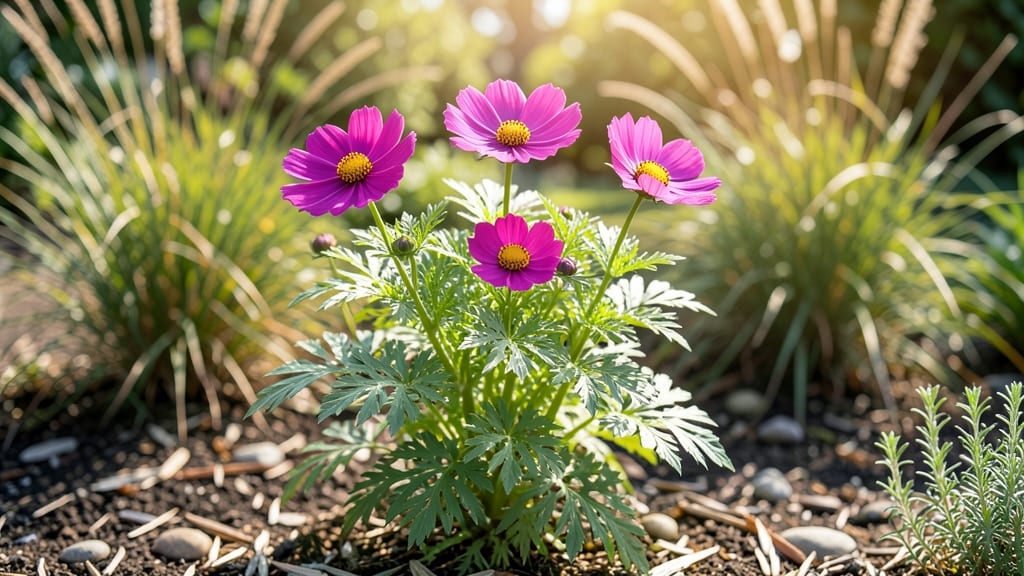
The cosmos flowering season transforms your garden into a nonstop parade of color once you plant them right, from summer through fall 🌼.
If you’ve ever dreamed of a vibrant garden bursting with cosmos blooms, timing is everything—these cheerful flowers follow a precise seasonal rhythm that gardeners must master for the most stunning displays.
In USDA Zone 6a, where spring planting kicks off in March, expect your cosmos to burst into flower by mid-July, with peak blooms stretching through August and September. The key to keeping them flowering until frost? A little deadheading and the right soil prep.
Below, I’ll walk you through the month-by-month bloom cycle, how to extend those flowers well into fall, and the best varieties to plant for continuous color all season long.
When do cosmos flowers bloom? Month-by-month flowering timeline
Timing your cosmos blooms means understanding their natural rhythm—these sun-loving annuals thrive in warm weather and follow a predictable summer-to-fall schedule that varies by USDA zone.
In most regions, cosmos flowers begin their show in late June and continue until first frost, but early and late varieties can extend this window.
The key is planting at the right time to align with your local climate's frost-free period, which typically runs from May to October in zones 5-10.
For gardeners in USDA zones 8-10, the flowering season starts as early as May and can last until November, thanks to milder winters. Meanwhile, those in zones 5-7 should expect a shorter but equally vibrant display from July to September.
The secret to maximizing your cosmos blooms lies in choosing the right variety and planting timing—whether you're growing dwarf cosmos for containers or tall cosmos for cut flower arrangements.
🌼 COSMOS BLOOMING TIMELINE BY CLIMATE ZONE 🌼
In USDA zones 5-6, where summers are shorter, cosmos typically bloom from late June to early September. This means you’ll need to plant seeds as soon as the soil warms to 55°F (13°C) after your last frost date.
For example, in Chicago (Zone 5), I start seeds indoors in April and transplant outdoors in May to catch the full summer bloom window. The trade-off? Cooler nights can shorten the season, so choose early-maturing varieties like 'Sensation Mixed' for the best results.
Gardeners in zones 7-8 enjoy a longer cosmos season, with blooms stretching from early June to October. This extended window makes cosmos perfect for cut flower gardens or pollinator-friendly landscapes.
In Atlanta (Zone 8), I’ve seen cosmos continue flowering until the first hard frost in mid-October, especially when paired with succession planting. Plant a second batch of seeds in early July to keep your garden vibrant well into fall.
For those in zones 9-10, cosmos are nearly year-round performers if given the right care. In Los Angeles (Zone 10), I’ve witnessed cosmos blooming from May through November, with minimal effort.
The key here is to avoid overwatering and provide well-draining soil to prevent fungal issues. You can even plant cosmos in winter for early spring blooms, thanks to the mild climate.
Regional variations also play a role in cosmos flowering. For instance, coastal areas with cooler summers (like San Francisco, Zone 9) may see later blooms starting in July, while inland desert regions (like Phoenix, Zone 9b) can enjoy blooms as early as May.
Always check your local last frost date and plant seeds 2-3 weeks after to ensure your cosmos have enough time to establish roots before the heat of summer.
To maximize your cosmos blooms, focus on three key factors: sunlight, soil, and deadheading. Cosmos need at least 6 hours of full sun daily for optimal flowering, so choose a south-facing spot in your garden.
Amend your soil with compost before planting to ensure good drainage, as cosmos hate soggy roots. Finally, deadhead spent blo
How to extend the cosmos flowering season naturally
Cosmos flowers are nature's gift to gardeners—cheerful, low-maintenance, and effortlessly beautiful. But did you know their natural blooming season can be stretched from early summer all the way to frost with just a few simple techniques?
I've learned that cosmos flowering season doesn't have to end when the first autumn chill arrives. With the right care, you can enjoy those pink, white, and magenta blooms well into fall, creating a stunning garden display that keeps neighbors talking.
The secret lies in understanding what cosmos truly need to thrive. These plants are drought-tolerant and sun-loving, but they also respond beautifully to thoughtful gardening practices. From deadheading to strategic companion planting, each technique plays a crucial role in extending that vibrant display.
Let me show you exactly how to make your cosmos bloom longer than ever before.
Remove spent blooms every 2-3 days to prevent seed formation. This redirects energy to new flower production instead of seed heads. Use clean pruning shears and cut just above the next set of leaves.
Use a balanced 5-10-10 fertilizer every 4-6 weeks during growing season. Apply in early morning when soil is moist. Avoid over-fertilizing—cosmos prefer leaner soil for best blooms.
Water once every 3-5 days in summer, delivering 1 cup per plant directly to the base. Morning watering prevents fungal diseases. Let soil dry slightly between waterings to encourage deep roots.
Pair cosmos with marigolds (deters pests) and basil (improves flavor). These companions create a thriving ecosystem while extending your display. Avoid planting near tomatoes—they compete for nutrients.
Let's talk about deadheading first—this is my top secret weapon for extending cosmos blooms. When you remove those faded flowers, you're essentially telling the plant, "Keep making more!" I've seen cosmos continue blooming for weeks longer when I make this a daily habit.
Just grab your pruners and snip those spent blooms at the base. It takes just a few minutes but makes a world of difference in your garden's longevity.
Don't forget about soil nutrition—cosmos thrive in well-draining soil with just enough nutrients. I recommend a light feeding every 4-6 weeks during the growing season. Use a balanced fertilizer like 5-10-10 to encourage both foliage and flower production.
The key is moderation—cosmos can become leggy if over-fertilized, so always follow the package instructions.
Your watering schedule plays a crucial role too. While cosmos are drought-tolerant once established, they still need consistent moisture during their growing season. Water deeply in the morning to give the roots time to absorb moisture before the heat of the day.
I've found that watering every 3-5 days keeps my cosmos happy without encouraging fungal problems that can cut blooms short.
Finally, consider companion planting to create a thriving ecosystem that supports your cosmos. Planting marigolds nearby helps deter pests while attracting beneficial insects. Basil is another great companion that improves the overall health of your cosmos plants.
These simple pairings can make your garden more resilient and extend that beautiful flowering season naturally.
With these techniques, you can transform your garden into a cosmos paradise that stays vibrant well into fall. The best part? These methods are all natural and require minimal effort.
So grab your pruners, check your soil, and get ready to enjoy those cheerful blooms for weeks longer than you ever thought possible! 🌼