
Flowers
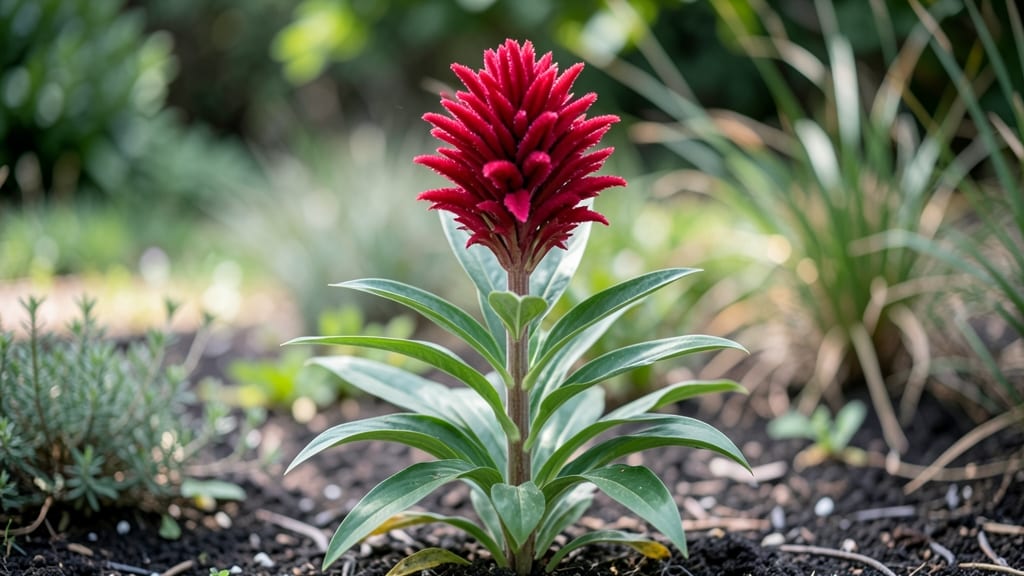
Your celosia flower height can range from 6 inches to over 3 feet, depending on the variety and care—making it the perfect plant for both small containers and bold garden statements.
If you’ve ever wondered why your celosia plants seem to grow in mysterious ways—some towering like fireworks while others stay compact—you’re not alone.
Understanding their height is the key to choosing the right type for your space, whether you want a dwarf variety for window boxes or a tall plume type to anchor a border.
Some celosias, like the ‘Dwarf Flash’, max out at just 12 inches, while others, such as the ‘Giant Plumed’, can reach 3 feet or more.
The difference often comes down to sunlight, soil, and a little strategic pruning—so let’s break down how to control their growth for the exact look you want.
In this guide, you’ll discover the best varieties for your garden size, how to encourage taller or shorter growth, and simple tricks to keep your celosia blooming at the perfect height all season long.

Celosia varieties by height: dwarf vs giant comparison guide
If you love the bold, fiery colors of celosia flowers but struggle to choose the right variety for your space, height is the game-changer. Some varieties stay under 12 inches, perfect for window boxes, while others soar over 3 feet, making stunning vertical accents.
The key? Matching the celosia flower height to your garden’s layout and design goals.
Taller celosias like ‘Giant Plumed’ create dramatic focal points in borders or mixed beds, while dwarf types like ‘Dwarf Flash’ thrive in containers or as edging plants. Even within the same species, celosia height can vary wildly—some plume types stretch skyward, while cockscomb varieties stay bushier.
Let’s break down the best options for every garden size.
Notice how celosia height directly influences where you’ll place these plants. A 3-foot giant plumed celosia needs room to shine at the back of a border, while a dwarf variety like ‘Dwarf Flash’ fits snugly in a 6-inch pot on your patio.
Even cockscomb celosia, with its unique brain-like blooms, comes in both compact and tall forms—so check the tag before buying!
For small gardens or container growing, prioritize dwarf or semi-dwarf varieties. They stay neat, bloom prolifically, and won’t overwhelm your space. In larger landscapes, taller celosias create vertical interest and pair beautifully with sunflowers or salvia for a bold, textured display.
Pro tip: Mix heights in a single bed for a layered, dynamic look—place taller varieties at the back and shorter ones in front.
One common mistake? Assuming all celosias reach their maximum height without support. Tall plume types (like ‘Giant Plumed’) may need staking or light pruning to prevent flopping. If you’re growing celosias in windy areas, consider bamboo stakes or small cages to keep stems upright.
For dwarf varieties, support is rarely needed—their compact growth habit keeps them sturdy naturally.
Color also plays a role in celosia height perception. Deep red or burgundy varieties often have taller, more upright stems, while pink or yellow plumes may sprawl slightly.
If you love bright, fiery blooms, ‘Flame’ series celosias (like ‘Flame Thrower’) tend to stay medium-height but pack a punch of color. For whimsical, velvety textures, crimson cockscomb (‘Crested’) adds a unique silhouette without taking up much space.
Ready to experiment? Try mixing heights in a cut flower arrangement—tall celosias create dramatic stems, while dwarf varieties add delicate accents. Just remember: celosia flower height is influenced by soil fertility, sunlight, and watering habits.
Over-fertilizing can lead to leggy growth, while consistent moisture (but not soggy soil) encourages compact, bushy plants.
How to control celosia height: pruning, pinching, and growth hacks
Want to sculpt your celosia into a compact bush or let it reach towering heights? The key lies in understanding pruning techniques and growth timing. Celosia responds beautifully to gentle guidance—whether you're aiming for dwarf varieties in containers or tall plumes for cut flowers.
The right approach transforms your garden from chaotic to curated.
Your first step is timing. Pinch back young plants when they reach 6-8 inches tall to encourage bushier growth. For taller varieties, avoid early pruning—let them establish their main stems first.
Soil and nutrients play a surprising role too: phosphorus-rich fertilizer (like 5-10-10) promotes flowering, while nitrogen-heavy feeds can make plants lanky.
- Step 1: Pinch back young celosia at 6-8 inches to encourage branching. Use clean scissors or fingers to remove the top set of leaves.
- Step 2: For compact growth, repeat pinching every 4-6 weeks during the growing season. Focus on the outer stems to fill gaps.
- Step 3: To maximize height, avoid early pruning. Instead, support tall varieties with bamboo stakes or tomato cages when they reach 12 inches.
- Step 4: Feed with low-nitrogen fertilizer (e.g., 5-10-10) every 4-6 weeks to promote flowering over foliage. Avoid over-fertilizing in late summer.
- Step 5: Deadhead spent blooms to redirect energy to new growth. For tall varieties, trim 1/3 of the stem after flowering to encourage a second flush of blooms.
- Step 6: In containers, prune root-bound plants by 1/4 to stimulate new growth. Repot if roots circle the pot.
For tall celosia varieties, don't forget structural support. Drive bamboo stakes gently into the soil near each plant and tie stems loosely with soft garden twine.
This prevents flopping while allowing natural movement. A mulch layer of 2-3 inches also helps retain moisture, which is critical for tall, sturdy stems.
If your celosia starts to lean or flop, it’s often a sign of overcrowding or poor soil drainage. Thin out overlapping stems and amend the soil with compost to improve structure.
For container-grown celosia, choose pots with drainage holes and use a lightweight potting mix to prevent root stress.
Pro tip: Harvest strategically to control height. Cut tall stems at the base when plumes are fully open but before they seed. This encourages lateral branching and keeps plants bushier. For cut flower arrangements, harvest in the early morning when stems are hydrated and vibrant.
With these growth hacks, you’ll master celosia height—whether you’re crafting a whimsical cottage garden or a dramatic border. Experiment with varieties like ‘Crimson Plume’ (tall) or ‘Dwarf Flash’ (compact) to see what thrives in your space. Happy pruning! ✂️🌸