
Size
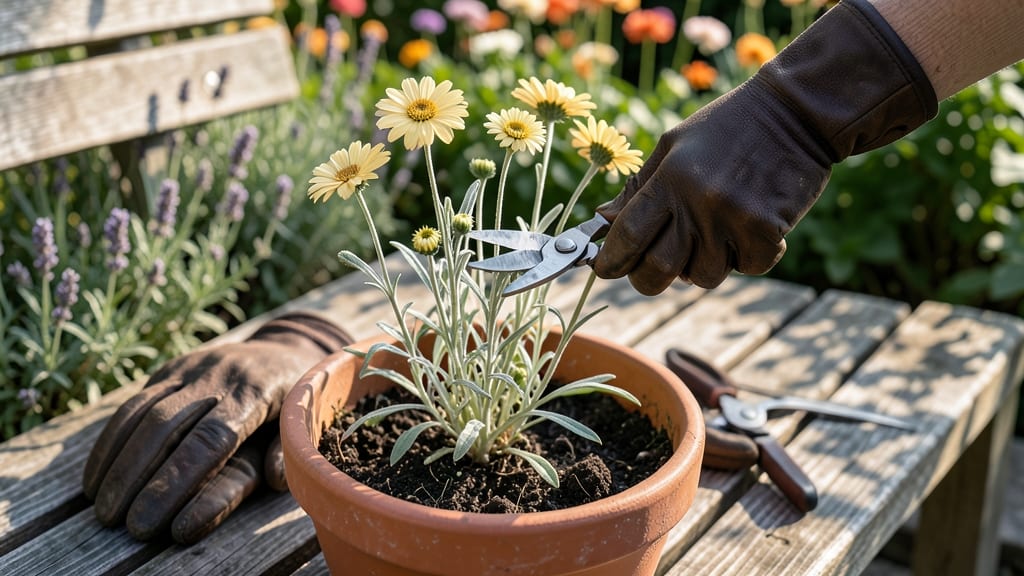
Do you pinch strawflower stems to transform leggy plants into bushy, bloom-packed powerhouses—but only if you do it right?
Picture this: you’ve just planted your strawflower in March, and it’s shooting up like a single stalk of asparagus. Should you snip? The answer depends on your goals—pinching too early can delay blooms, while waiting too long means missing the bushier growth window.
I’ll walk you through the exact timing, tools, and tricks to get the most out of your Helichrysum bracteatum.
Most gardeners pinch strawflowers when they’re 4–6 inches tall, just as the first true leaves appear. This isn’t just guesswork—it’s about encouraging lateral branches, which means more stems and more flowers later.
But there’s a catch: if you’re growing strawflowers for cut arrangements, you might skip pinching entirely to let them grow taller.
By the end of this guide, you’ll know whether to pinch, how deep to cut, and when to stop—plus the one common mistake that turns your strawflower into a floppy mess. Let’s get started.
When and how to pinch strawflower stems for bushier growth
Pinching strawflower stems is one of the simplest yet most effective ways to transform leggy, sparse plants into lush, bushy bloomers. This technique works by encouraging your Helichrysum bracteatum to produce more side branches, which translates to longer blooming periods and fuller stems.
The key lies in timing—do it too early or too late, and you might stunt growth or miss the window entirely.
Most gardeners ask, "Do you pinch strawflower?" because the answer depends on your plant's growth stage and your goals. If you're growing strawflowers for cut flowers or garden displays, pinching can double your floral output.
The best time to pinch is when your plants reach 4-6 inches tall and have developed 4-6 true leaves. This is when they're strong enough to handle the stress but young enough to respond vigorously.
Before you begin, gather your tools. You can use your fingers for small plants or clean pruners for thicker stems. Sterilize your tools with rubbing alcohol to prevent spreading disease. Avoid using dull blades, as they can crush stems and invite infections.
The goal is to make a clean cut just above a leaf node—this is where new branches will emerge.
How to Pinch Strawflower Stems: Step-by-Step
- Wait until your strawflower reaches 4-6 inches tall with 4-6 true leaves.
- Locate the top set of leaves and identify the leaf node just below them.
- Pinch or cut just above the leaf node using your fingers or clean pruners.
- Remove only the top 1-2 inches of growth to avoid over-pruning.
- Repeat on all main stems to encourage even branching.
- Water lightly after pinching to reduce stress on the plant.
Pinching stimulates growth by triggering the plant's natural apical dominance response. When you remove the main growing tip, the plant redirects energy to the lateral buds, producing multiple side shoots.
This isn't just about aesthetics—bushier plants also develop stronger stems that support more blooms and resist wind better. In my experience, pinched strawflowers often bloom 2-3 weeks earlier than unpinched ones.
Avoid common mistakes like pinching too early (before 4 inches) or too late (after flowering begins). Early pinching can delay blooming, while late pinching won't yield enough new growth.
Another pitfall is removing too much foliage at once, which stresses the plant. Stick to removing just the top 1-2 inches of each stem to maintain energy balance.
After pinching, your strawflowers will enter a growth spurt phase. Expect to see new branches forming within 2-3 weeks. During this time, ensure your plants get full sun (6+ hours daily) and well-draining soil.
A light application of balanced fertilizer (5-10-10) can also support vigorous regrowth. Avoid heavy feeding immediately after pinching, as this can promote leafy growth over flowers.
Some gardeners wonder if they should pinch strawflowers grown from seeds vs. cuttings. The technique works for both, but seed-grown plants often respond more vigorously because they're younger and more adaptable.
If you're growing strawflowers in containers, pinch slightly more aggressively to compensate for root restriction. In-ground plants may need less frequent pinching since they have more space to spread.
Pinching isn't just for young plants—you can also use it to rejuvenate mature strawflowers that have become leggy. In early spring, give your established plants a light pinch back to encourage fresh growth.
This works especially well for overwintered strawflowers that may have lost some vigor. Just remember: the sooner you pinch, the more time your plant has to recover and bloom.
For gardeners in warmer climates (USDA Zones 8-11), pinching can extend the blooming season by encouraging multiple flushes of flowers. In cooler zones (6-7), focus on pinching in early spring to set up strong stems for summer blooms.
Always monitor your plants after pinching—if they look stressed or wilted, provide extra water and shade until they recover.
With the right technique, pinching strawflowers can transform your garden from sparse stems to a sea of vibrant blooms. Start with just a few plants to test the method, and soon you'll be harvesting double the flowers with minimal effort. Happy pinching! 🌼
Pinching vs. deadheading strawflowers: key differences and best practices
Understanding the difference between pinching and deadheading strawflowers is key to maximizing their bloom production. While both techniques improve plant health, they serve distinct purposes—pinching encourages bushier growth, and deadheading extends the flowering season.
I’ll break down when to use each method and how to combine them for stunning results.
Pinching is all about stimulating lateral branches by removing the terminal bud (the topmost growth point). This redirects energy to side shoots, creating a fuller plant with more blooms over time.
Deadheading, on the other hand, involves removing spent flowers to prevent seed production and encourage new blooms. Both techniques are essential but work at different stages of growth.
For young strawflower seedlings, focus on pinching when they reach 4-6 inches tall. This is the ideal time to promote branching and a fuller plant structure.
Use clean fingers or sharp pruners to snip just above a leaf node. Avoid over-pinching, as it can stress the plant and delay flowering.
Once your strawflowers start blooming, switch to deadheading to prolong the flowering season. Remove faded blooms by cutting the stem just above the nearest leaf or bud.
This redirects energy to new flower production, keeping your plants vibrant well into fall. Regular deadheading also improves air circulation, reducing the risk of fungal diseases.
For maximum floral display, combine both techniques: pinch young plants in spring to encourage bushiness, then deadhead throughout the summer and fall. This two-step approach ensures your strawflowers stay lush and productive.
Just remember, over-pruning can weaken the plant, so always leave at least 2-3 sets of leaves when pinching.
In hotter climates, deadheading is especially critical, as strawflowers may produce fewer blooms without this encouragement. If you’re growing strawflowers in containers, deadheading also helps maintain a neat appearance and prevents the plant from becoming top-heavy.
With the right balance of pinching and deadheading, your strawflowers will thrive and reward you with abundant, long-lasting blooms.