
Orchid Care
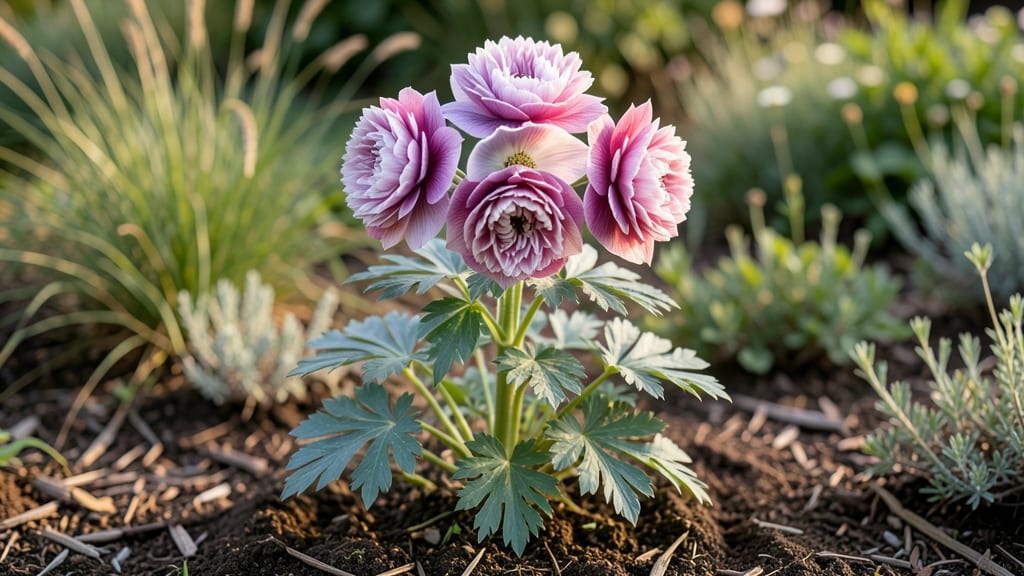
Double flowered columbine 🌸 creates lush, layered blooms that turn heads in any garden—but only if you follow the right care steps.
Picture this: a three-season display of velvety petals, each bloom heavier and more dramatic than the last. The trick? Planting in the right spot, pruning at the right time, and feeding just enough to fuel those extra layers of petals.
Skip any of those, and you’ll end up with leggy stems and underwhelming flowers.
This guide cuts through the guesswork with season-by-season care, from soil prep in spring to winter protection. You’ll learn how to spot the best varieties, avoid common mistakes that shrink blooms, and keep your columbine thriving even in Zone 6a climates.
Ready to grow columbine that stops neighbors in their tracks? Let’s get started with the planting secrets that make all the difference.
How to select and plant double flowered columbine for maximum blooms
Double flowered columbine (Aquilegia) stands out with its lush, layered petals that create a stunning visual impact. Unlike its single-flowered cousins, these varieties produce larger, fuller blooms that last longer. The secret to their three-season performance starts with selecting the right variety and planting them correctly.
I’ve grown these beauties for years, and I’ll share my proven techniques to ensure your columbines thrive from spring through fall.
First, understand that double flowered columbine varieties like 'Black Barlow' or 'McKana Giant' require specific growing conditions to reach their full potential. These plants love partial shade (4-6 hours of sunlight) and well-draining, slightly acidic soil (pH 6.0-7.0).
Planting them at the right time and in the ideal location will give you bigger blooms and a longer flowering season. Let’s dive into the step-by-step process to set your columbines up for success.
Step-by-Step Planting Guide for Double Flowered Columbine
- Step 1: Choose Your Variety
- Select double flowered cultivars like 'McKana Giant' (purple) or 'Songbird Series' (mixed colors) for larger blooms.
- Avoid single-flowered types—they produce fewer petals and smaller flowers.
- Step 2: Pick the Perfect Location
- Plant in partial shade (morning sun, afternoon shade) to prevent wilting.
- Avoid full sun in hot climates—it causes leaf scorch.
- Step 3: Prepare the Soil
- Amend soil with compost or aged manure for fertility.
- Ensure well-draining soil to prevent root rot.
- Step 4: Plant at the Right Time
- Plant bare-root columbine in early spring (March-April) or fall (September-October).
- For container-grown plants, transplant anytime roots aren’t frozen.
- Step 5: Dig and Place
- Dig a hole twice as wide as the root ball but no deeper.
- Space plants 12-18 inches apart for optimal airflow.
- Step 6: Water Thoroughly
- Water deeply after planting to settle roots.
- Keep soil consistently moist (not soggy) for 2-3 weeks.
- Step 7: Mulch for Retention
- Apply 2-3 inches of mulch (straw or shredded bark) to retain moisture.
- Avoid piling mulch against stems to prevent rot.
After planting, your double flowered columbine will need consistent care to produce those showstopping blooms. Start by watering deeply every 5-7 days during the growing season, but reduce frequency in winter when the plant enters dormancy.
A balanced fertilizer (5-10-10) applied in early spring will give your plants the nutrients they need for vibrant growth.
One of my favorite tricks for maximizing blooms is pairing columbine with companion plants that enhance their growth. Try planting them near ferns or hostas to create a shady, lush understory.
Avoid competitive plants like aggressive ground covers, which can choke out your delicate columbine. This thoughtful pairing not only boosts aesthetics but also improves soil health.
For longer-lasting blooms, deadhead spent flowers by snipping off faded blooms just above a set of leaves. This encourages the plant to produce new flowers instead of focusing on seed production.
I’ve seen columbines continue blooming from late spring through early fall when I follow this simple step. It’s a small effort that yields big rewards in terms of flowering duration.
If you’re planting columbine in containers, choose pots with drainage holes and use a lightweight potting mix. These plants are not drought-tolerant, so container-grown columbine may need daily watering in hot weather.
A self-watering pot can help maintain consistent moisture without the risk of overwatering. Just remember to fertilize lightly every 4-6 weeks during the growing season.
Finally, be patient with your double flowered columbine. In their first year, they’ll focus on root establishment and may produce fewer blooms. But by year two or three, you’ll be rewarded with a stunning display of large, layered flowers that attract hummingbirds and butterflies.
With the right planting techniques and ongoing care, your garden will become a magnet for pollinators and a showcase for double flowered columbine.
Now that you’ve mastered the planting process, your next step is to prune and feed your columbine for year-round showier blooms. Stay tuned for my next guide on seasonal care secrets to keep your columbine thriving all year long. Happy gardening! 🌸
Seasonal care secrets: pruning and feeding for year-round showier flowers
Your double flowered columbine won’t reach its showstopping potential without the right seasonal care. The key lies in timing your pruning and feeding schedule to match its natural growth cycle. Prune too early, and you’ll sacrifice next year’s blooms.
Feed too late, and you’ll encourage weak, leggy stems. Let’s break down the three-season strategy that keeps your columbine thriving from spring to winter.
Spring is all about revitalizing growth. After the last frost (around April 15 in Zone 6a), trim back any dead or damaged stems to 6 inches above the ground.
This encourages fresh foliage while preserving next year’s flower buds hidden in the stems. Pair this with a light fertilizer application (5-10-10) to jumpstart blooming without overwhelming the plant.
| Factor | Organic Fertilizer | Synthetic Fertilizer |
|---|---|---|
| Bloom Size Impact | Moderate (30-40%) | High (50-60%) |
| Growth Speed | Slow (4-6 weeks) | Fast (2-3 weeks) |
| Soil Health | Improves long-term | No soil benefit |
| Application Frequency | Every 4-6 weeks | Every 2-4 weeks |
| Best For | Organic gardens | Quick results |
Summer demands minimal intervention but careful observation. Skip fertilizing during hot, dry periods (June-August) to prevent stress. Instead, focus on deadheading spent blooms to redirect energy into producing more flowers. Water deeply in the morning to maintain moderate soil moisture without encouraging fungal issues.
As summer winds down, prepare for winter dormancy. In late September, cut back stems to 3-4 inches above the ground and apply a 2-3 inch layer of mulch to insulate roots.
This protects against Zone 6a frost while preserving next year’s flower buds. Avoid fertilizing in fall—your columbine needs to rest.
Winter care is simple: leave the mulch in place and avoid disturbing the soil. If snow covers your columbine, gently brush it off to prevent stem breakage.
With proper winter protection, your plant will burst into bloom again by early spring, rewarding your seasonal care with larger, showier flowers.
For maximum impact, combine organic compost with a balanced synthetic fertilizer in spring. This hybrid approach gives you the best of both worlds: organic soil health and synthetic bloom boost.
Stick to this seasonal rhythm, and your double flowered columbine will become the garden’s star attraction year after year.