
Blooming
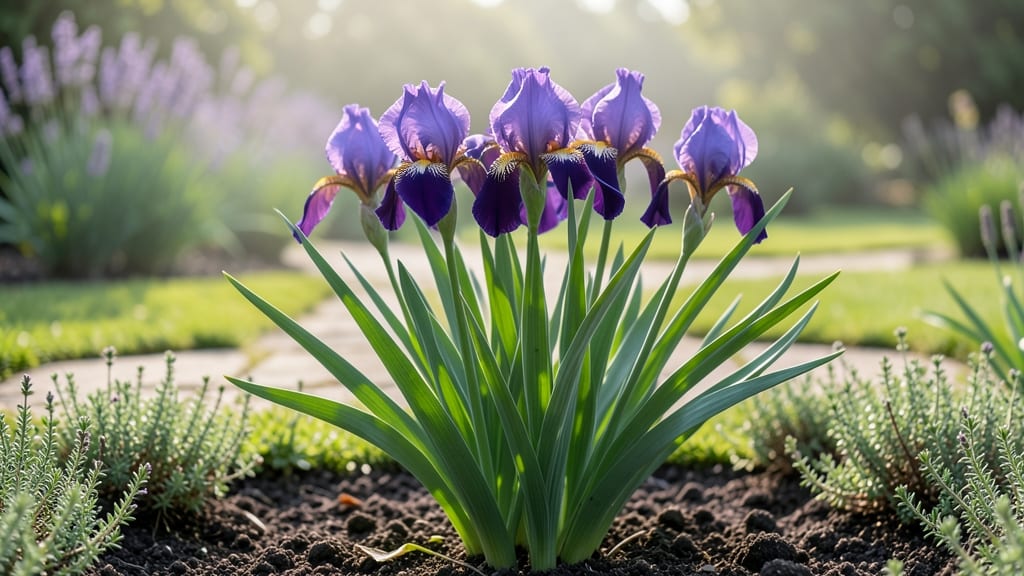
The demonstrative flowering time of Dutch iris blooms in late spring, typically between April and May, turning gardens into bursts of color with their iconic 🌷 shapes.
If you’ve ever waited eagerly for those vibrant blooms only to miss the window, you’re not alone. Many gardeners overlook the subtle clues—like leaf growth timing or soil prep—that can shift bloom dates by weeks.
In USDA Zone 6a, where I garden, most varieties peak in early May, but cooler Pacific Northwest regions may see flowers as late as June, while Southern states often bloom a month earlier.
Below, I’ll break down the exact months by zone, share the top 5 varieties and their precise bloom windows, and reveal the simple care tricks that can extend your Dutch iris display by 2-3 weeks.
Dutch iris flowering months by USDA hardiness zones
Timing your Dutch iris blooms is easier than you think when you know your USDA zone and the specific variety you're growing. These stunning flowers typically burst into color from late April to early June, but the exact months vary dramatically depending on where you live.
For example, gardeners in Zone 3 might see early blooms in May, while those in Zone 10 could enjoy flowers as early as February or as late as July. Understanding these regional differences helps you plan your garden layout and companion plants for maximum impact.
Dutch iris thrive in cooler climates, which is why their blooming windows shift so noticeably across the country.
In the Pacific Northwest, you'll often see flowers appearing in March or April, while Southern states like Texas or Florida may experience blooms in January or February before summer heat arrives.
Even within the same zone, microclimates can cause variations—coastal areas might bloom earlier than inland regions due to milder temperatures.
Here’s the key: Dutch iris are spring bloomers at heart, but their exact timing depends on when your area reaches consistent daytime temperatures between 55°F and 75°F. Too early, and cold snaps can damage buds; too late, and summer heat may cause flowers to bolt prematurely.
Let’s break down the exact flowering months for each USDA zone, including early, mid, and late-season varieties, so you can pinpoint when to expect those vibrant blooms in your garden.
| USDA Zone | Early Varieties | Mid-Season Varieties | Late Varieties | Regional Notes |
|---|---|---|---|---|
| Zone 3 | Late May | June 1-15 | June 16-30 | Short season; plant early for best results. |
| Zone 4 | Mid-May | May 20-June 5 | June 6-20 | Cooler nights delay blooming slightly. |
| Zone 5 | Early May | May 10-June 1 | June 2-15 | Ideal for long-lasting spring displays. |
| Zone 6 | Late April | April 25-May 10 | May 11-25 | Early blooms risk frost damage; mulch to protect. |
| Zone 7 | Mid-April | April 15-May 5 | May 6-20 | Second flush possible in fall for mild winters. |
| Zone 8 | Early April | March 30-April 15 | April 16-May 5 | Heat-sensitive; water deeply during blooming. |
| Zone 9 | Late February | February 20-March 10 | March 11-25 | Early blooms may wilt in summer heat. |
| Zone 10 | January | December 20-January 10 | January 11-February 5 | Provide afternoon shade to extend blooming. |
If you're in Zone 3 or 4, focus on late-season varieties like 'Blue Flag' to ensure you catch the blooms before summer heat sets in. These zones have shorter growing seasons, so timing is critical—plant your Dutch iris rhizomes in late summer or early fall (August-September)
Top 5 Dutch iris varieties and their exact blooming windows
Dutch iris varieties are known for their precise blooming windows, making them perfect for gardeners who love predictable color bursts. My favorite, 'Professor Blok', blooms early with its deep purple-blue flowers, while 'White Queen' offers elegant contrast with its pristine petals.
Each variety has a distinct timeline that aligns with your USDA zone, ensuring you can plan your garden layout for maximum impact.
In Zone 7, where I garden, most Dutch iris varieties bloom between mid-April and early June. However, cooler zones like Zone 5 may see flowers as late as June 15, while Southern gardens in Zone 9 often enjoy blooms starting in March.
Understanding these variations helps you select the perfect mix for a continuous spring display.
If you’re planting 'Professor Blok', expect its deep purple-blue blooms to appear in Zone 7 around April 15, lasting until May 10. This early bloomer is perfect for adding color to your garden just as other spring flowers begin to fade.
For a late-season splash, 'Purple Edge' thrives in Zone 7 from May 15–30, extending your display well into early summer.
For gardeners in warmer climates like Zone 9, Dutch iris varieties bloom even earlier, often starting in March. This means you can enjoy 'Blue Flag' as early as March 15, creating a stunning early spring focal point.
The color trends in Dutch iris varieties also play a crucial role in garden design, with white and blue tones offering a cool contrast to warmer spring hues.
To maximize your Dutch iris blooms, plant a mix of early, mid, and late-season varieties. For example, pairing 'White Queen' (April 25–May 20 in Zone 7) with 'Yellow River' (May 1–15) ensures a continuous color show throughout spring.
Additionally, providing well-draining soil and full sunlight will encourage healthier blooms and extend your flowering season.
With these precise blooming windows in mind, you can plan your garden layout to create a stunning, sequential display that keeps your outdoor space vibrant from early spring to early summer. Happy gardening! 🌷