
Blooming
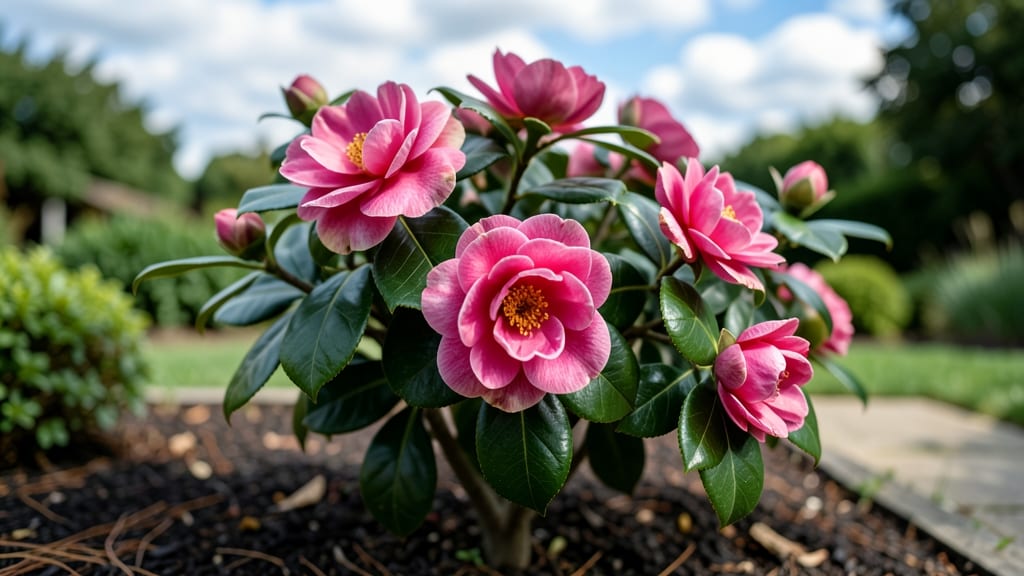
The camellia flowering season depends entirely on your climate zone, with blooms arriving as early as November or as late as May 🌸 — and knowing the exact timing for your area is the difference between a showstopper garden and a missed opportunity.
Picture this: you’ve waited all year for your Camellia to burst into color, only to find the flowers already fading because you planted the wrong variety for your zone.
That’s why timing matters more than you think — some varieties bloom in winter, others in spring, and a few even stretch across both seasons.
In this guide, I’ll break down the month-by-month flowering windows for USDA Zones 7-10, including the early, mid, and late bloomers that thrive in your region.
Whether you’re in the humid South or the milder Pacific Northwest, you’ll learn how to align your care routine with nature’s schedule for longer, more vibrant blooms.
You’ll also discover simple tricks to extend your camellia’s flowering season — from the best pruning times to soil tweaks that keep buds coming back year after year. Let’s get those blooms on schedule!
Camellia flowering season by USDA hardiness zones: month-by-month guide
Timing is everything when it comes to camellia blooms, and your USDA zone determines whether you’ll enjoy winter color or spring surprises. Camellias are divided into two main groups: Sasanqua (fall/winter bloomers) and Japonica (winter/early spring bloomers), with hybrid varieties bridging the gap.
Knowing your zone helps you choose the right types for year-round interest.
In Zone 7, where frost can sneak in early, Sasanqua camellias often bloom from October through December, while Japonica varieties wait until January or February for milder temperatures.
Warmer zones like Zone 9 and Zone 10 extend blooming into March or even April, with some late-season hybrids pushing boundaries. Regional microclimates—like coastal Pacific Northwest vs. inland Southern heat—can shift these windows by weeks.
Here’s your month-by-month breakdown of camellia blooming by zone, including early, mid, and late-season varieties to maximize garden color. Use this as your guide to select plants that align with your climate and personal preferences for winter cheer or spring splendor.
If you live in Zone 7, prioritize Sasanqua camellias for fall color, as their October-November blooms arrive before frost. Varieties like 'Yuletide' (red) and 'Bonanza' (pink) thrive in cooler climates and often rebloom lightly in spring.
For Zone 8 gardeners, mid-season Japonica like 'Elegans' (white) and 'Pink Perfection' (pink) shine from December through January, while coastal areas may see extensions into early spring.
In Zones 9 and 10, where winters are mild, camellias bloom nearly year-round. Sasanqua varieties like 'Shishigashira' (white) and 'Setsugekka' (pink) often start as early as September, while Japonica and hybrid camellias like 'Spring’s Promise' (pink) can bloom until April or May.
This overlap creates a continuous display of color, making these zones ideal for camellia enthusiasts seeking longer-season interest.
Regional variations play a huge role in camellia timing.
For example, the Pacific Northwest (Zone 8-9) often sees later blooms due to cooler, wetter winters, while Southern states like Georgia or South Carolina may experience earlier blooms in Zone 7b-8a thanks to milder winters. Microclimates—like urban heat islands or sheltered garden spots—can also shift blooming by 2-4 weeks, so observe local patterns over time.
To extend your camellia’s blooming season, focus on soil health and pruning timing. Acidic
How to extend your camellia’s blooming season with simple gardening hacks
Camellias are known for their stunning blooms, but their flowering season can feel frustratingly short. With the right gardening hacks, you can coax your camellias into blooming for weeks longer than usual. The secret lies in understanding their natural growth cycles and giving them the perfect conditions to thrive.
Whether you’re growing Camellia japonica or Camellia sasanqua, these tips will help you maximize your blooms.
One of the biggest mistakes gardeners make is neglecting their camellias’ soil and water needs during critical growth phases. Camellias are acid-loving plants, and even slight changes in soil pH or watering schedules can shorten their bloom time.
By making small, strategic adjustments, you can encourage your camellias to produce more buds and extend their flowering season from a few weeks to nearly three months.
Pro Tip for Longer Blooms
Camellias bloom on old wood, meaning last year’s growth produces this year’s flowers. Avoid heavy pruning in spring—instead, prune right after blooming to encourage next year’s buds. A light trim in late summer can also stimulate new growth for extended flowering.
Start by testing your soil pH—camellias thrive in acidic soil (pH 5.0-6.0). If your soil is too alkaline, amend it with peat moss or sulfur to lower the pH. This adjustment alone can make a dramatic difference in bloom production.
Pair this with a balanced fertilizer (like 10-10-10) applied in early spring and again in early fall to fuel bud formation.
Watering plays a crucial role too. Camellias need consistent moisture, especially during bud development. Water deeply once a week (or more in hot climatesmorning to prevent fungal diseases.
Mulch around the base with organic matter like pine bark to retain moisture and keep roots cool. This simple step can help your camellias retain blooms longer by reducing stress.
Don’t overlook the power of companion planting. Pair your camellias with shade-loving perennials like heuchera or ferns to create a microclimate that retains moisture and humidity. Avoid planting near competitive roots like maples or oaks, which can steal nutrients and weaken your camellias.
Instead, opt for low-growing ground covers like ajuga or sweet woodruff to protect the soil and improve overall plant health.
Finally, protect your camellias from late-season frost and winter winds, which can damage buds. Use burlap wraps or frost cloth in USDA Zones 7-8 to shield delicate blooms.
In warmer zones (9-10), focus on consistent watering and light fertilization to keep blooms vibrant through winter and early spring. With these hacks, your camellias could bloom for up to 12 weeks instead of just a few!