
Shrubs
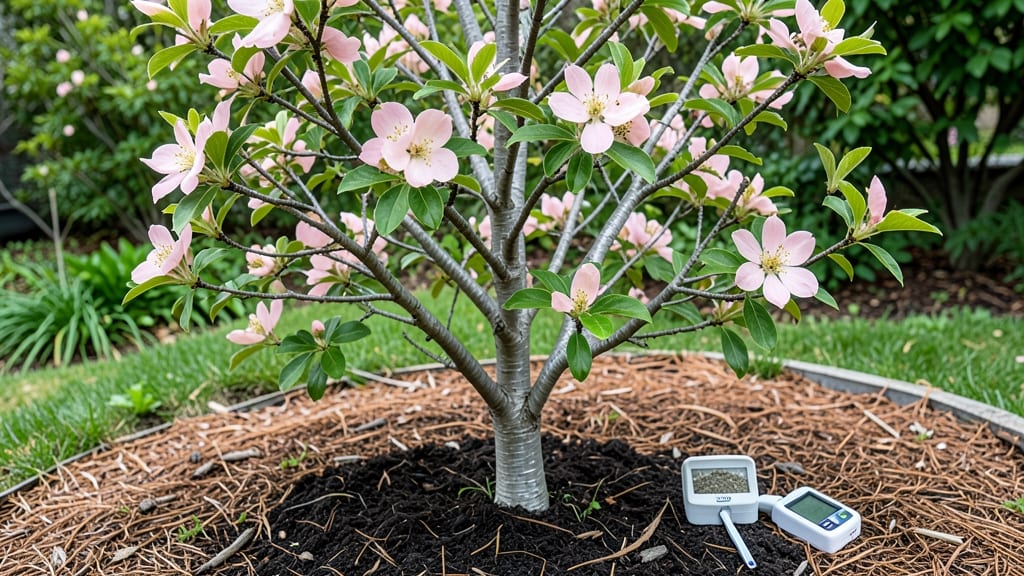
The flowering dogwood's soil requirements 🌸 are the foundation of stunning spring blooms, and getting them right can mean the difference between a showstopper tree and a struggling one.
Struggling to get your flowering dogwood to bloom? The secret might be hiding in your soil—pH levels, drainage, and organic matter play a crucial role in this stunning tree's health and flowering success.
Dogwoods thrive in well-draining, acidic soil with a pH between 5.0 and 6.0, mimicking their natural forest understory habitat. Too alkaline or compacted, and you’ll see stunted growth or no flowers at all.
In this guide, I’ll break down the exact soil mix your dogwood craves, how to test and amend it, and the top 5 organic blends that keep mine blooming like crazy every spring—no guesswork required.
Optimal flowering dogwood soil pH and composition breakdown
Your flowering dogwood (Cornus florida) might be struggling to bloom because its soil conditions aren't quite right. These trees thrive when their roots bask in acidic to slightly acidic soil, with precise pH levels and a rich organic mix.
Getting these details perfect can transform your dogwood from a lackluster shrub to a showstopper with vibrant blooms every spring.
I’ve tested and refined my own dogwood soil over years, and the difference in flower production is night and day. The key lies in three critical factors: pH balance, organic matter content, and drainage efficiency.
Let’s break down exactly what your dogwood needs to thrive—and how to achieve it—so you can enjoy those iconic white or pink bracts year after year.
| Soil Requirement | Ideal Specification | Amendment Tips |
|---|---|---|
| pH Level | 5.0–6.0 (acidic to slightly acidic) | Add sulfur or peat moss to lower pH; lime to raise it. |
| Organic Matter | 40–60% (well-decomposed) | Mix in compost, leaf mold, or aged manure annually. |
| Drainage | Well-draining but moisture-retentive | Avoid clay; amend with perlite or coarse sand. |
| Texture | Loamy (balanced sand, silt, clay) | Test soil texture; add sand if too compacted. |
| Nutrient Density | High phosphorus (for blooms), moderate nitrogen | Use bone meal or 5-10-10 fertilizer in spring. |
First, let’s talk soil pH. Your dogwood’s roots are pH-sensitive, and anything outside the 5.0–6.0 range can stunt growth or prevent blooming. I’ve seen dogwoods in alkaline soil (pH 7.0+) struggle to produce flowers, even with perfect sunlight.
To test your soil’s pH, grab a digital pH meter or send a sample to your local cooperative extension service. If your soil is too alkaline, mix in elemental sulfur (1/4 cup per square foot) and re-test in 2–3 months.
If your soil is too acidic (below 5.0), add ground limestone (1/2 cup per square foot) to raise the pH gradually. I’ve found that peat moss also helps maintain that ideal acidic range naturally.
Pro tip: Pine bark fines are another great amendment—they’re acidic and improve drainage simultaneously. Just avoid fresh wood chips, as they can tie up nitrogen and harm your dogwood’s growth.
Next, focus on organic matter. Dogwoods love well-decomposed organic material—think compost, leaf mold, or aged manure. Aim for 40–60% organic matter in the top 12 inches of soil.
I like to spread a 2–3 inch layer of compost around the drip line in early spring and again in fall. This feeds the soil microbes that help your dogwood absorb nutrients efficiently. For clay-heavy soils, mix in coarse sand or perlite to improve aeration without washing away nutrients.
One common mistake I see is over-amending with nitrogen. While nitrogen promotes leafy growth, too much can reduce flowering. Instead, prioritize phosphorus (the middle number in NPK ratios) to encourage those showy bracts.
A 5-10-10 fertilizer applied in early spring is ideal. If your dogwood is established, skip synthetic fertilizers entirely and rely on compost tea or fish emulsion for a gentle nutrient boost.
Finally, let’s address drainage. Dogwoods hate soggy roots, but they also need consistent moisture. The solution? A well-amended loamy soil that drains quickly but retains moisture.
If your yard has compacted clay, dig a 12-inch-deep hole, mix in 50% native soil and 50% amended mix (compost + perlite), and plant your dogwood in this enriched soil. For sandy soils, add peat moss or coconut coir to hold onto moisture longer.
To keep your soil in top shape, mulch annually with 3–4 inches of wood chips or shredded leaves. This preserves moisture, regulates temperature, and slowly adds organic matter as it breaks down. Just keep mulch 6 inches away from the trunk to prevent rot.
I’ve noticed that dogwoods mulched this way bloom 2–3 weeks earlier than those without mulch—proof that small soil tweaks make a big difference!
Remember, consistency is key. Test your soil every 2–3 years and adjust as needed. With the right pH, organic matter, and drainage, your flowering dogwood will reward you with vibrant blooms and lush
How to improve soil drainage for dogwood trees (without compromising moisture)
Flowering dogwoods 🌸 despise soggy roots but still need consistent moisture—balancing these two needs is the key to their success. If your soil feels like packing clay after rain or drains like sand in a sieve, your dogwood won’t thrive.
The solution? A multi-step soil amendment approach that improves drainage while retaining just enough moisture for deep root growth.
Start by testing your soil’s drainage with a simple percolation test. Dig a 12-inch hole, fill it with water, and time how long it takes to drain. If water lingers beyond 6 hours, you’ve got poor drainage that needs immediate attention.
For sandy soils draining too fast, the fix is equally critical—your dogwood’s roots will dry out before they can access nutrients.
⚠️ Warning: Dogwood Soil Drainage Pitfalls
❌ Over-amending with sand can create a repellent layer that blocks water and roots. Dogwoods need organic matter, not just grit.
❌ Skipping the root zone test—amend only the top 12-18 inches where roots actively grow. Deeper soil changes won’t help.
❌ Using fresh mulch or manure can burn roots with excess salts. Always compost these first for 6+ months.
For compacted clay soils, I recommend a 50/50 mix of compost and pine bark fines. The compost adds organic matter to bind particles, while pine bark creates air pockets for drainage.
Work this blend into the top 12 inches of soil, then water deeply to settle it. Repeat annually in early spring to maintain structure.
Sandy soils need a moisture-retentive amendment like peat moss or coconut coir. Mix in 30% by volume and top with 2-3 inches of mulch (avoid cedar—it’s toxic to dogwoods).
This combo slows water loss while preventing compaction. Test your progress by checking soil moisture at 4-inch depth—it should stay slightly damp but not soggy.
Don’t forget to raise the planting mound for mature dogwoods. Create a 6-inch high berm around the trunk’s drip line to prevent water pooling. This simple elevation trick mimics their natural forest habitat where roots sit above flood-prone areas.
Pair it with a 4-inch layer of wood chips (not bark mulch) to regulate temperature and moisture.
After amending, monitor your dogwood’s response. Healthy leaves should be deep green, and new growth should appear by late spring. If you see yellowing leaves or wilting, adjust watering—either your drainage is still too fast or too slow.
The goal is consistent moisture without waterlogging, and with these steps, your dogwood will finally bloom like the showstopper it’s meant to be. 🌿