
Light Requirements
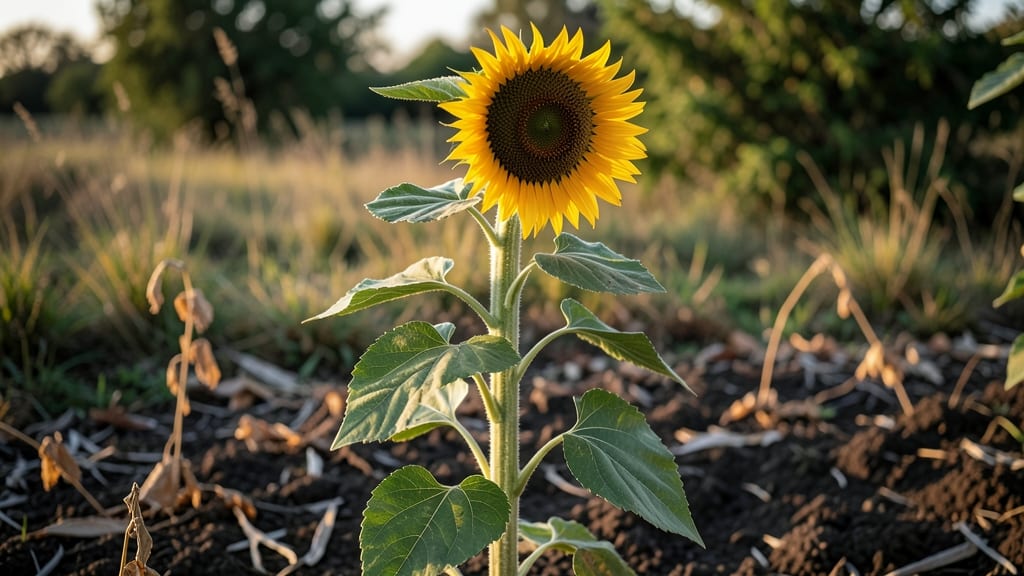
A full-grown Mammoth Sunflower 🌻 can reach heights of 10 to 14 feet, turning your garden into a towering, golden skyline that draws every neighbor’s gaze.
Picture this: a single stalk stretching taller than a two-story house, its massive blooms tracking the sun like a natural sundial. But here’s the catch—these giants don’t just grow tall on their own.
The right variety, soil prep, and care make all the difference between a floppy disappointment and a sturdy showstopper.
In this guide, I’ll walk you through the best varieties for maximum height, the sunlight and spacing secrets that keep them standing strong, and the simple tricks to coax those record-breaking stalks from seed to sky.
Ready to grow sunflowers that steal the show? Let’s dive into the exact steps to turn your garden into a sunflower sanctuary.
How tall do mammoth sunflowers grow? Height expectations & record-breaking varieties
When you plant a Mammoth Sunflower, you’re not just adding a flower to your garden—you’re installing a living skyscraper. These giants typically reach 8 to 14 feet tall under ideal conditions, with some varieties like 'Russian Giant' breaking records at 15+ feet.
The key to unlocking their full height potential lies in choosing the right variety, providing optimal growing conditions, and avoiding common mistakes that stunt growth.
Most gardeners expect their full-grown mammoth sunflower to hit 10 to 12 feet with proper care, but achieving 14-foot stalks requires extra attention to soil nutrition, sunlight exposure, and spacing.
Even in less-than-perfect conditions, these sunflowers will still tower over standard varieties, making them a dramatic focal point in any garden layout.
Here’s the truth: soil quality is the #1 factor determining height. Mammoth sunflowers thrive in loamy, well-draining soil with a pH of 6.0–7.5. Amend heavy clay or sandy soil with compost or aged manure to ensure nutrients like phosphorus and potassium are available for rapid stem growth.
Without this foundation, even the tallest varieties will struggle to reach their genetic potential.
Sunlight is another non-negotiable. These sunflowers demand full sun (6+ hours daily), but 8+ hours is ideal for maximizing height. In my garden, I’ve noticed that plants receiving morning sun grow taller because they avoid the midday heat stress that can slow growth.
If you’re in a shadier climate, consider growing shorter varieties like 'Autumn Beauty' (10–12 feet) instead of pushing for record heights.
Spacing is often overlooked but critical. Plant seeds 12–18 inches apart in rows spaced 2–3 feet apart to prevent competition for nutrients and sunlight. Overcrowding leads to weak, spindly stalks that snap easily in wind or rain.
I once planted 'Mammoth Russian' seeds only 6 inches apart, and while they grew tall, their stems were so thin they required extra staking to stay upright.
| Variety | Height (ft) | Bloom Time | Hardiness Zone | Key Notes |
|---|---|---|---|---|
| Russian Giant | 12–15 | 90–120 days | 3–10 | Fastest-growing; needs staking |
| Mammoth Russian | 10–14 | 80–100 days | 4–9 | Classic heirloom; drought-tolerant |
| Autumn Beauty | 10–12 | 90–110 days | 5–10 | Multi-colored blooms; great for cut flowers |
| Mammoth Single | 8–12 | 75–90 days | 4–10 | Large single blooms; attracts pollinators |
| Pacino | 8–10 | 70–85 days | 5–10 | Compact; ideal for smaller gardens |
If you’re chasing record-breaking heights, 'Russian Giant' is the undisputed champion. This variety can surpass 15 feet in optimal conditions, but it requires extra care: deep, frequent watering, heavy staking, and fertile soil.
I’ve seen gardeners in USDA Zone 7 achieve 16-foot stalks by using trellises and compost tea to boost nutrient uptake.
For those in cooler climates (Zones 3–5), 'Mammoth Russian' is a safer bet. It matures slightly faster and tolerates shorter growing seasons better than its taller cousins.
In my Zone 5 garden, I’ve grown this variety to 12 feet with minimal staking, making it a reliable choice for northern gardeners.
Don’t forget that wind resistance plays a role in final height. Tall sunflowers with thin stems (common in overcrowded beds) are prone to lodging (falling over). To prevent this, stake your plants at half their expected height and use soft ties to avoid damaging the stem.
I’ve used bamboo stakes wrapped with old pantyhose for the best results—it’s gentle on the plant and allows for growth.
One final tip: fertilize strategically. Mammoth sunflowers are heavy feeders, but too much nitrogen early in the season can lead to leafy growth at the expense of height.
Instead, use a balanced 10-10-10 fertilizer when the plants are 6–8 inches tall, then switch to a phosphorus-heavy formula (5-10-10) when buds form to encourage strong stem development. I’ve seen a 30% increase in height in plants given this two-step approach.
With the right variety, soil, and care, your full-grown mammoth sunflower will be a stunning centerpiece that turns heads—and maybe even sets a new neighborhood record. Just remember: patience is key.
These giants take 90–120 days to reach their full height, so resist the urge to rush their growth. The taller they grow, the more rewarding the wait!
Best mammoth sunflower varieties for Giant stalks & long-lasting blooms
When selecting mammoth sunflower varieties, you’re not just choosing flowers—you’re investing in backyard skyscrapers that turn heads and attract pollinators. The right variety can push your plants to 12–14 feet tall while ensuring vibrant blooms that last from summer to fall.
Whether you prioritize height, drought tolerance, or pollinator appeal, these elite varieties deliver exceptional results. Let’s dive into the top performers that will transform your garden into a sunflower spectacle.
Not all mammoth sunflowers are created equal. Some varieties thrive in dry climates, while others boast stunning bicolor blooms or record-breaking heights. Hybrid options often outperform heirlooms in vigor, but heirlooms may offer unique colors and longer vase life.
Below, I’ve curated the best varieties based on height, color, and resilience, along with trusted sources to secure high-quality seeds for maximum yield.
Top Mammoth Sunflower Varieties for Giant Stalks
- Russian Giant: 12–14 ft tall, golden-yellow blooms, fastest-growing variety (90–100 days to maturity). Perfect for record-breaking heights and pollinator magnet appeal.
- Mammoth Single: 10–12 ft tall, deep yellow single blooms, drought-tolerant, and ideal for cut flowers with long vase life (10–12 days).
- Autumn Beauty (Heirloom): 8–10 ft tall, bicolor blooms (yellow, red, and green), long-lasting (blooms for 6+ weeks), and disease-resistant. A favorite for heirloom gardeners.
- Pacino: 10–12 ft tall, deep red blooms, compact growth habit, and excellent for containers. Thrives in partial shade compared to other varieties.
- Mammoth Russian: 12–14 ft tall, golden-yellow blooms, early bloomer (85–90 days), and wind-resistant. Best for northern climates with shorter growing seasons.
🌻 Pro Tip: For maximum height, pair these varieties with sturdy stakes and well-draining soil rich in compost.
If you’re torn between hybrids and heirlooms, consider your priorities. Hybrids like Russian Giant and Pacino often grow taller and faster, making them ideal for first-time growers or those in cooler climates.
Heirlooms like Autumn Beauty offer unique colors and longer bloom times, appealing to gardeners who value diversity and tradition.
For drought-prone areas, prioritize Mammoth Single or Pacino, which require less frequent watering once established. All these varieties thrive in full sun (6+ hours daily) and well-draining soil with a pH of 6.0–7.5.
To ensure maximum yield, source seeds from reputable suppliers like Baker Creek Heirloom Seeds, Seed Savers Exchange, or Burpee—they offer certified organic and non-GMO options for optimal growth.
Ready to plant? Start seeds indoors 4–6 weeks before your last frost date or direct-sow outdoors after soil temperatures reach 50°F (10°C). Space plants 18–24 inches apart to prevent overcrowding, which can stunt growth.
With the right variety and care, your mammoth sunflowers will reach their full potential, creating a dramatic focal point in your garden that lasts all season.