
Flowers
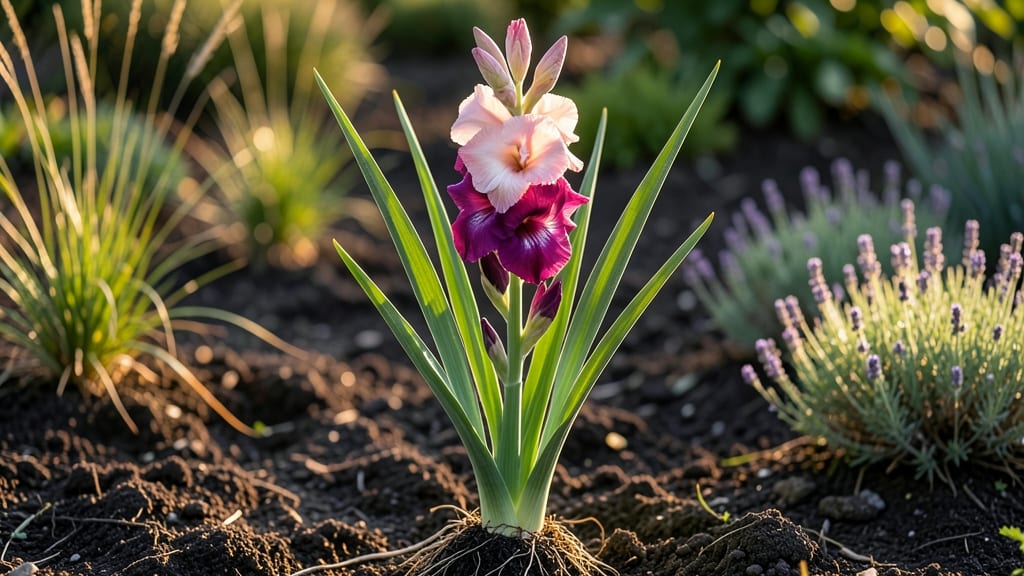
Gladiolus flowers bloom between 90 and 150 days after planting, depending on corm size and your planting date — and that window is the key to timing them for summer weddings or fall color.
Want to time your gladiolus blooms perfectly for summer weddings, fall displays, or peak garden color? The secret lies in understanding how corm size and planting dates determine bloom timing — so you can plan with precision.
Most gardeners in USDA Zone 6 plant gladiolus corms in April or May, but planting earlier or later shifts bloom time by weeks. A large corm planted in March might flower as early as July, while a smaller one planted in June could bloom in September.
Below, I break down how to predict bloom times by corm size, adjust planting dates for your region, and even extend the season with simple tricks — no guesswork, just reliable results.
How gladiolus corm size directly affects bloom time
Gladiolus flowers are famous for their dramatic spikes of color, but did you know the size of your gladiolus corms determines exactly when they'll bloom? Whether you're planning a summer wedding display or extending your fall garden color, understanding this relationship lets you predict bloom times with near-perfect accuracy.
The larger the corm, the earlier and more robust the blooms—here's how it works in practice.
For gardeners in USDA zones 3-10, corm size creates a predictable bloom window that shifts based on planting dates. A small corm (1-2 inches) might take 120-140 days to flower, while a large corm (3+ inches) can bloom in as few as 90-110 days.
This difference is your secret weapon for staggered displays or adjusting bloom times by a full month.
🌸 Key Insight: In Zone 6, planting large corms in early May yields blooms by mid-July, while small corms planted the same day won't reach peak bloom until early September. This timing shift is critical for gardeners who want continuous color.
Let's break down how corm size translates to bloom timing across different climates, with real-world examples for each category. The table below shows the predictable bloom windows based on corm size and planting season.
In cooler climates (Zones 3-5), the 120-140 day bloom window for small corms means you'll need to plant them as early as late May to see flowers by fall.
This is why many northern gardeners opt for medium or large corms—they bloom faster, giving you more flexibility in planting dates.
For warmer zones (9-10), the real advantage comes from planting large corms in January to capture spring blooms before summer heat arrives. In my Zone 9 garden, I've seen 'White Prosperity' gladiolus bloom in late February when planted with large corms, creating a stunning early-season display.
🌿 Pro Tip: If you're in a transition zone (Zone 7-8), try planting half small corms in April and half large corms in May. This creates a 6-week extension of bloom time—perfect for cutting gardens or wedding bouquets.
Temperature also plays a role—soil temperatures below 60°F slow growth, delaying blooms by 1-2 weeks. In Zone 4 gardens, I've found that adding black plastic mulch after planting raises soil temps by 5-10°F, helping small corms bloom on schedule despite cooler springs.
Remember that gladiolus corms store energy—larger corms have more reserves to fuel rapid growth. This is why 'Green Star' gladiolus, a popular variety, often blooms 2 weeks earlier from large corms compared to small ones.
For cut flower production, this timing difference can mean the difference between a July harvest or waiting until September.
To maximize your bloom timing control, always measure your corms before planting and adjust your schedule accordingly. Pair this knowledge with staggered plantings of different sizes, and you'll have gladiolus blooms spanning 6-8 weeks—a gardener's dream for continuous color.
🌻 Final Thought: The bigger the corm, the earlier the bloom—but don't neglect soil prep and sunlight. Even with large corms, poor soil or shade can delay blooms by 3+ weeks. Start with well-draining soil and full sun for the best results!
Optimal planting dates by region to control gladiolus bloom timing
Timing your gladiolus blooms isn't just about luck—it's a science of planting dates and regional climates. In northern zones (USDA 3-6), where summers are shorter, you'll want to plant earlier to catch peak bloom before frost.
Meanwhile, southern gardeners (USDA 7-10) can extend blooms into late fall by planting later in the season. The key is understanding your last frost date and adjusting accordingly.
For example, in Zone 5, planting large corms in early May ensures blooms by mid-July, while smaller corms planted in June will flower in early September. In Zone 9, you can push blooms into November by planting in late July or August.
The trick is balancing soil warmth and daylight hours to trigger consistent flowering.
- 1 Zone 3-5 (Cold Climates): Plant large corms in April for July blooms; smaller corms in June for September.
- 2 Zone 6-8 (Temperate): Plant medium corms in May for August blooms; stagger plantings every 2 weeks to extend season.
- 3 Zone 9-10 (Hot Climates): Plant small corms in July for October-November blooms; avoid summer heat stress by mulching heavily.
- 4 Heat Tolerance Tip: In Zone 7+, plant shallow (3-4 inches deep) to prevent corm rot in hot soils; water deeply at soil level, not overhead.
- 5 Staggered Planting: Plant 3 batches every 3 weeks to create a 6-week bloom window; ideal for cut flowers and garden displays.
If you're aiming for winter holidays, focus on late-summer plantings in Zone 8-10. For example, planting small corms in August will yield blooms by Christmas, perfect for festive arrangements.
Just remember: soil temperatures below 60°F slow growth, so use black plastic mulch to warm the soil faster in cooler regions.
For northern gardeners, prioritize early-spring plantings and choose dwarf varieties (like 'Picasso' or 'Black Pearl') that mature faster. In southern climates, opt for heat-tolerant types such as 'Green Star' or 'White Prosperity', which thrive in 90°F+ temperatures.
Always test your soil's drainage—gladiolus corms rot in soggy conditions, which can delay or prevent blooming.
Pro tip: Keep a planting journal to track your local bloom times. Note the corm size, planting date, and first bloom day each year. Over time, you'll refine your schedule to match your microclimate perfectly.
With this approach, you can guarantee gladiolus blooms for weddings, holidays, or simply summer color—no matter where you garden.