Flowers
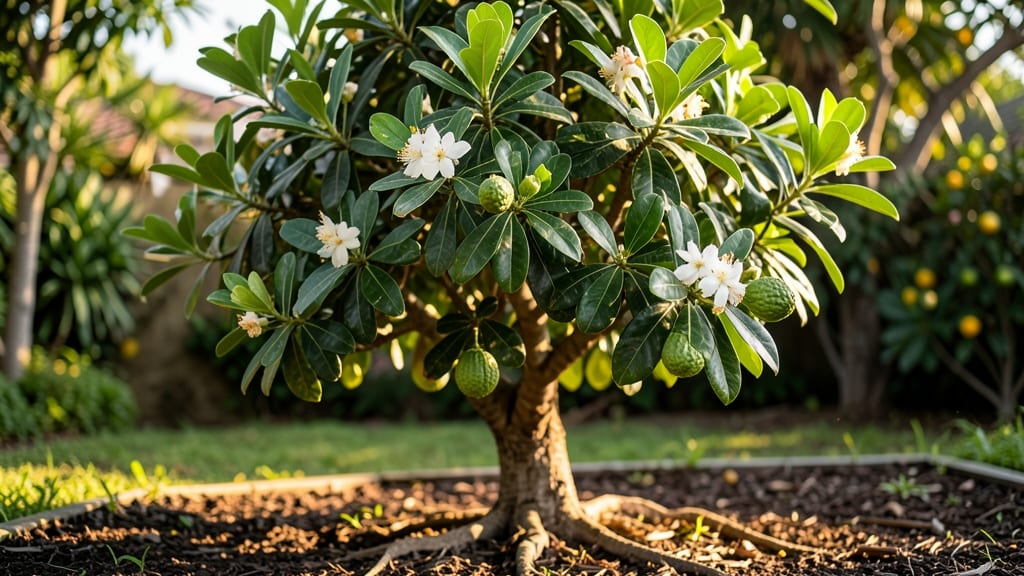
Transforming a guava flower into fruit is where the magic happens 🥝—but only if you understand the stages, timing, and care required to avoid common pitfalls.
Picture this: you’ve nurtured your guava tree through flowering season, only to watch the blossoms drop without a single fruit forming. Frustrating, right? The key lies in recognizing when pollination succeeds, how environmental factors influence fruit set, and what adjustments to make for a heavy harvest.
In this guide, I’ll walk you through the 5 critical stages from flower to ripe fruit, including how to spot healthy development, troubleshoot issues, and maximize yield with simple yet effective care tips.
By the end, you’ll know exactly what to do—from fertilizing for fruit set to protecting your crop from pests—to turn those delicate flowers into a bountiful harvest of sweet, aromatic guavas.
Guava flower to fruit: 5 stages of development & what to expect
There’s nothing quite like watching a delicate guava flower bloom into a fragrant, sweet fruit—but this transformation requires precise care at every stage. From the moment pollination occurs to the final ripening, understanding each phase helps you maximize fruit set and avoid common pitfalls.
Let’s break down the 5 critical stages of guava development, complete with timelines, visual cues, and troubleshooting tips to ensure your tree thrives.
Guava trees (Psidium guajava) are tropical wonders, but their fruit development hinges on perfect conditions. Whether you’re growing white-fleshed or pink-fleshed varieties, each stage demands attention to watering, nutrients, and environmental factors.
Skip a step, and you might end up with flower drop or stunted fruit. Let’s dive into the journey from bloom to harvest, so you can enjoy a lush, productive tree year after year.
-
1
Pollination (Days 1-7)
Flowers open at dawn; bees and wind transfer pollen. Look for white or pink petals with slight wilting by evening. Signs of success: Stigmas turn slightly darker.
-
2
Fertilization (Days 8-14)
Ovules develop into tiny fruits (1-2 cm). Flowers drop if pollination fails. Healthy flowers will show green swellings where fruit begins to form.
-
3
Cell Division (Weeks 3-6)
Fruits grow rapidly (up to 5 cm). Thin-skinned guavas may show color changes (green to pale yellow). Pest alert: Watch for fruit flies or aphids.
-
4
Maturation (Months 2-5)
Fruit hardens and colors fully (yellow, pink, or red). Sugar content peaks at this stage. Overwatering can cause cracking—reduce water slightly.
-
5
Ripening (Months 5-7)
Fruit softens, emits sweet aroma, and separates easily from the stem. Harvest promptly—overripe guavas spoil quickly. Sign of readiness: Skin yields slightly when pressed.
Now that you know the timeline and visual cues for each stage, let’s tackle the critical care tips to ensure your guava flowers successfully transition into fruit. The first stage—pollination—is the most delicate.
If your flowers aren’t attracting pollinators, try hand-pollinating with a soft brush to transfer pollen between blooms. I’ve found that early morning is the best time for this, as flowers are freshest and most receptive.
During the fertilization stage, your tree will need a boost of potassium-rich fertilizer to support fruit development. A balanced 6-6-6 or 8-3-9 NPK ratio works wonders, but avoid over-fertilizing—this can lead to excessive leaf growth at the expense of fruit.
I recommend applying fertilizer in the early morning and watering it in immediately to prevent root burn. Keep an eye out for dropping flowers, which often signals poor pollination or nutrient deficiencies.
As your guava fruits enter the cell division phase, they’ll grow rapidly, and this is when pests like fruit flies and aphids love to strike. I’ve had success using neem oil or insecticidal soap to keep these critters at bay.
During this stage, also monitor for fruit drop, which can occur due to temperature fluctuations or water stress. If you notice fruits falling prematurely, adjust your watering schedule to ensure consistent moisture without waterlogging the soil.
By the time your guavas reach the maturation stage, they’ll be nearly full-sized but still firm to the touch. This is when you’ll see the <
Critical care tips for guava fruit set & heavy harvest success
Once your guava tree blooms, the real work begins—turning those delicate flowers into plump, sweet fruit requires precise care. The difference between a light harvest and a heavy crop often comes down to watering consistency, nutrient timing, and strategic pruning.
I’ve seen firsthand how small adjustments in these areas can triple your yield, so let’s dive into the critical care tips that make all the difference.
Guava trees thrive on balanced nutrition, especially during fruit set. Potassium plays a starring role here—it strengthens cell walls, improves fruit quality, and helps prevent disorders like blossom-end rot. Organic options like banana peel tea or wood ash provide potassium naturally, while synthetic fertilizers offer quick fixes.
The key is finding the right balance for your tree’s needs without overwhelming it.
Organic vs. Synthetic Solutions for Guava Fruit Development
- 🌱 Pros: Builds soil health, slow-release nutrients, no chemical residue
- 🌱 Cons: Slower results, requires more frequent application
- 🧪 Pros: Fast-acting, precise nutrient delivery, measurable results
- 🧪 Cons: Risk of over-fertilization, chemical buildup, environmental impact
Watering your guava tree isn’t just about keeping the soil moist—it’s about timing and technique. During fruit set, aim for deep, infrequent waterings (every 7-10 days) to encourage strong root growth. Shallow watering leads to weak roots and poor fruit development.
I recommend watering in the early morning to reduce evaporation and fungal risks. Mulch heavily around the base to retain moisture and regulate soil temperature.
Pruning might seem counterintuitive when you’re dreaming of fruit, but strategic cuts can boost harvests. Remove dead or diseased branches first, then thin out crowded growth to improve air circulation and sunlight penetration.
Focus on selective pruning—cut back overgrown branches by 1/3 to encourage new, fruiting wood. Avoid heavy pruning during flowering season, as it can stress the tree and reduce fruit set.
Pests and diseases can derail your harvest faster than you think. Guava fruit borers and aphids are common culprits, while fungal issues like powdery mildew thrive in humid conditions. I swear by neem oil for organic pest control—it’s effective against soft-bodied insects and prevents fungal growth.
For severe infestations, consider pyrethrin-based sprays, but always follow up with organic treatments to protect beneficial insects.
Finally, don’t overlook the power of pollination support. While guava trees are self-pollinating, you can increase fruit set by gently shaking branches during peak blooming hours (early morning) to release pollen. If you notice dropping flowers, it’s often a sign of poor pollination or environmental stress.
Adjust your care routine—reduce water slightly, ensure full sun exposure, and monitor for pests to keep those blossoms turning into fruit.