
Size
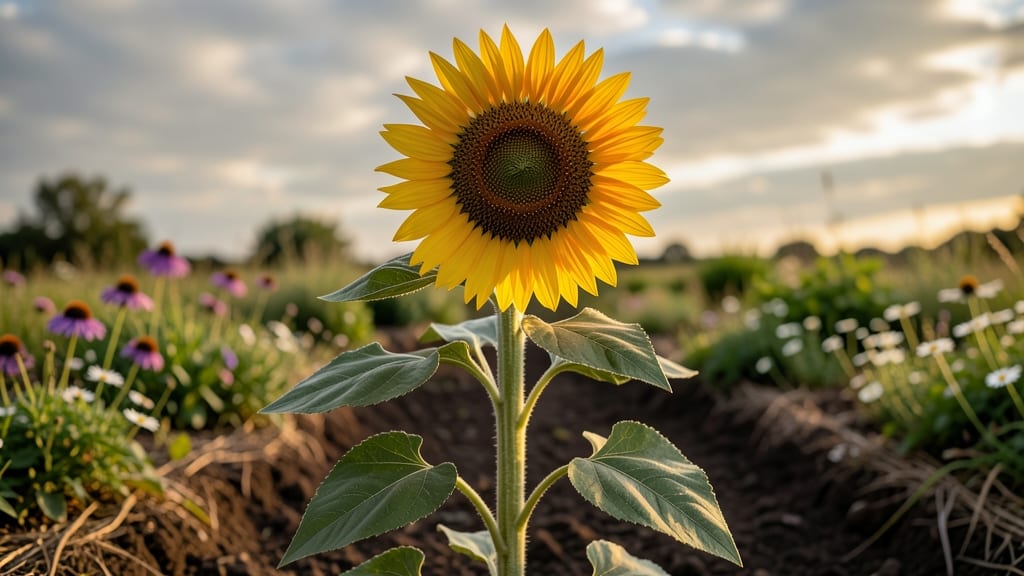
Mammoth sunflowers can grow 10 to 14 feet tall—taller than many garage doors—making them a dramatic centerpiece for any garden 🌻.
Imagine towering sunflowers reaching higher than your garage door—Mammoth sunflowers aren’t just beautiful, they’re a gardener’s statement piece. But before planting, knowing their exact height range by variety is crucial to avoid overcrowding or underutilizing space.
These giants need room to stretch their legs, with some varieties like 'Russian Giant' hitting 14 feet in ideal conditions. Without proper spacing or support, their heavy blooms can flop over, turning your dream sunflowers into a tangled mess.
Below, I’ll break down height ranges by variety, spacing tips to keep them standing tall, and how to turn their massive size into a pollinator magnet and cut-flower powerhouse.
Mammoth sunflower height ranges by popular variety: what to expect in your garden
If you're dreaming of sunflowers that turn heads and reach for the sky, Mammoth sunflowers are your best bet. These giants can grow taller than most gardeners are tall, but their exact height depends on the variety you choose.
Whether you're planning a dramatic backyard display or a pollinator-friendly border, knowing these height ranges will help you design your space like a pro.
From the towering 'Russian Giant' to the slightly shorter 'Mammoth Russian', each variety has its own growth quirks. Some varieties lean toward 12-14 feet, while others max out around 10 feet.
The key to getting the most out of these sunflowers? Proper spacing and sunlight exposure—both critical for reaching their full potential.
🌻 Comparison Table: Mammoth Sunflower Height Ranges
| Variety | Average Height Range | Flower Diameter | Spacing Needs | Best For |
|---|---|---|---|---|
| 'Russian Giant' | 12–14 ft | 10–12 in | 24–36 in apart | Cut flowers, dramatic displays |
| 'Mammoth Russian' | 10–12 ft | 8–10 in | 18–24 in apart | Pollinator gardens, smaller spaces |
| 'Autumn Beauty' | 8–10 ft | 6–8 in | 12–18 in apart | Colorful borders, containers |
| 'Giant Russian' | 14–16 ft | 12–14 in | 36–48 in apart | Record-breaking heights, events |
| 'Mammoth Single' | 10–12 ft | 10–12 in | 24 in apart | Cut stems, bouquets |
The 'Russian Giant' variety is the undisputed king of Mammoth sunflowers, often surpassing 14 feet in ideal conditions. If you're aiming for a sunflower that rivals your garage door, this is the variety to plant.
Just be prepared for sturdy support—these giants need it to avoid flopping over in wind or rain.
For a slightly more manageable height, the 'Mammoth Russian' variety strikes a balance at 10–12 feet. It’s perfect if you want a dramatic look without sacrificing too much space. Pair it with tall grasses or ornamental corn for a striking vertical display that draws the eye upward.
If you're working with limited space or prefer a shorter but still impressive sunflower, 'Autumn Beauty' is a fantastic choice. This variety tops out around 8–10 feet and boasts multi-colored blooms, making it ideal for borders or container gardens where height isn’t the primary concern.
When planning your garden layout, remember that spacing is everything. Mammoth sunflowers need room to stretch their legs—literally. Plant them 18–36 inches apart, depending on the variety, to ensure they get enough sunlight and nutrients.
Crowding them too closely can stunt their growth and increase the risk of disease or pests.
Pro tip: If you're growing 'Russian Giant' or 'Giant Russian', consider planting them near a fence or trellis for natural support. These varieties can grow so tall that their stems may need extra reinforcement to stay upright, especially in windy conditions.
Sunlight is non-negotiable for Mammoth sunflowers. These varieties thrive in full sun (6–8+ hours daily), so choose a spot in your garden where they won’t be shaded by trees or buildings. If you're in a cooler climate, they’ll appreciate the extra warmth to reach their full height potential.
Lastly, don’t forget that Mammoth sunflowers aren’t just about height—they’re also pollinator magnets. Bees and butterflies will flock to their bright blooms, making them a fantastic addition to any ecological garden. Plus, their seeds are a treat for birds once the flowers fade.
With the right variety and care, your Mammoth sunflowers will become the star of your garden, reaching for the sky and turning
How to plan your garden layout for giant sunflowers: spacing, support, and sunlight needs
Mammoth sunflowers need plenty of elbow room—their massive stems can reach 10 to 14 feet tall, and without proper spacing, they’ll compete for sunlight and nutrients. I’ve learned the hard way that cramming these giants too close leads to floppy stems and stunted growth.
Start by choosing a sun-drenched location with at least 6 to 8 hours of direct sunlight daily. These sunflowers thrive in open spaces where they can soak up rays without shading each other. Even a slight shadow can stunt their growth, so avoid planting near tall trees or structures.
Here’s how to optimize your layout for maximum growth and beauty:
- Spacing: Plant seeds 18 to 24 inches apart in rows spaced 3 to 4 feet apart to prevent overcrowding.
- Support: Use bamboo stakes or metal cages (6 feet tall) to keep stems upright as they grow.
- Soil Prep: Amend soil with compost and a balanced fertilizer (10-10-10) to support their rapid growth.
- Companion Plants: Pair with dwarf marigolds or borage to deter pests and attract pollinators.
- Watering: Water deeply 2 to 3 times per week, focusing on the base to encourage strong root development.
For extra support, I recommend installing trellis systems or tall cages early in the season. These giants can become top-heavy, and without support, their heavy blooms will snap in wind or rain. A simple 3-inch diameter stake buried 12 inches deep works wonders for stability.
If you’re short on ground space, consider container growing with large pots (at least 18 inches in diameter). Just ensure the container has drainage holes and is placed in full sun. I’ve seen Mammoth sunflowers thrive in containers, though they may need extra fertilizer to compensate for limited root space.
Finally, don’t forget to harvest seeds once the petals wilt and turn brown. This encourages more blooms and prevents self-seeding where you don’t want it. With the right layout, your Mammoth sunflowers will become the star of your garden—tall, proud, and full of life 🌻.