
Flowers
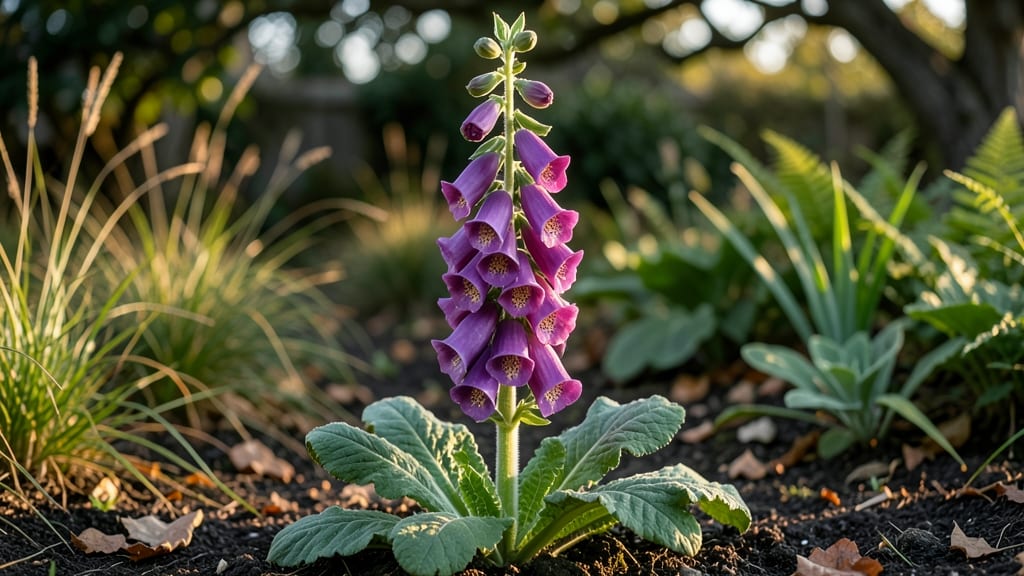
Foxgloves flower for 4 to 10 weeks depending on the variety and growing conditions, transforming your garden into a vertical waterfall of 🌸 bell-shaped blooms.
If you’ve ever wondered why your foxglove blooms vanish faster than you’d like—or how to extend their stunning displays—understanding their natural flowering cycle is key. From towering Digitalis purpurea to delicate rosettes, each type has its own timeline that determines when (and how long) they’ll grace your garden.
Most foxgloves bloom for 6 to 8 weeks in their first year, with some varieties like Digitalis grandiflora lasting nearly twice as long. The secret to longer blooms? Proper care, like deadheading spent flowers and ensuring they get the right balance of sun and shade.
In this guide, you’ll discover how to maximize your foxgloves’ flowering time, from choosing the right variety to seasonal care tips that keep those iconic spikes in bloom for weeks longer.
Foxglove flowering duration by variety: from 4 to 10 weeks
Foxgloves (Digitalis spp.) are famous for their dramatic vertical spikes of bell-shaped flowers, but their flowering duration varies dramatically by variety and growing conditions.
Whether you're growing the classic purple foxglove (Digitalis purpurea) or the yellow D. grandiflora, knowing these timelines helps you plan your garden for maximum impact.
Most foxgloves bloom for 4 to 10 weeks, but factors like climate, care, and variety can stretch or shorten this window significantly.
For example, first-year blooms (from seed) often last shorter—just 4 to 6 weeks—while second-year plants can flower for 8 to 10 weeks if given proper care.
Biennials like D. purpurea typically bloom in their second year, while some perennials (like D. ferruginea) may reward you with repeat blooms annually. Understanding these patterns ensures you don’t miss their stunning displays or waste space on short-lived varieties.
Climate plays a huge role in foxglove longevity. Cooler, humid regions (like the Pacific Northwest) often extend bloom time by 2 to 4 weeks compared to hot, dry climates (e.g., the Southwest), where flowers may wilt faster. Even soil moisture matters—consistent watering can add 1 to 2 extra weeks of vibrant blooms. Let’s break down the specifics by popular foxglove varieties so you can choose the best performers for your garden.
| Variety | First-Year Bloom Duration | Second-Year Bloom Duration | Peak Bloom Period | Climate Notes |
|---|---|---|---|---|
| Digitalis purpurea (Common Foxglove) | 4–6 weeks | 8–10 weeks | Mid-summer to early fall | Thrives in cooler zones; wilts faster in heat |
| Digitalis grandiflora (Yellow Foxglove) | 5–7 weeks | 9–12 weeks | Late spring to early summer | Longer bloom in partial shade; drought-sensitive |
| Digitalis ambigua (Woodland Foxglove) | 3–5 weeks | 6–8 weeks | Early summer | Prefers moist, shady woodlands; shorter-lived |
| Digitalis ferruginea (Rusty Foxglove) | 6–8 weeks | 10–14 weeks | Late summer to fall | Heat-tolerant; blooms later in season |
| Digitalis obscura (Dark Foxglove) | 4–5 weeks | 7–9 weeks | Mid-summer | Compact; shorter spikes but long-lasting |
The second-year bloom duration is where foxgloves truly shine, especially for biennials like D. purpurea. These plants store energy in their first-year rosettes, then burst into 8 to 10 weeks of flowering the following season.
To encourage this, I always avoid disturbing the roots during the first year—foxgloves hate being transplanted once established. Instead, focus on well-draining soil and consistent moisture to build strong root systems.
If you’re growing foxgloves from seed sown in summer (a common practice for biennials), expect first-year blooms to be minimal or nonexistent. The plant prioritizes root and leaf growth, saving energy for next year’s spectacular display.
This is why many gardeners sow seeds in early spring—it gives the plant a full first-year growing season before winter, often resulting in earlier and longer blooms in year two.
Climate temperature swings can also shorten or extend foxglove blooms. For instance, hot afternoons (above 85°F) cause flowers to wilt faster
How to extend foxglove blooms: pruning, deadheading, and care tips
Foxgloves typically bloom for 4 to 10 weeks, but with the right care, you can stretch that window by 30-50%. The key lies in understanding their natural growth cycle and intervening at the right moments.
Unlike many perennials, foxgloves often produce a single terminal spike of flowers, which means each bloom cycle is finite unless you take action.
Many gardeners mistakenly assume foxgloves are low-maintenance plants that will rebloom effortlessly. In reality, they require strategic pruning and deadheading to encourage new growth. Skipping these steps often results in spent plants redirecting energy toward seed production instead of producing fresh blooms.
Let’s explore the proven techniques to maximize your foxglove’s flowering potential.
🌱 Critical Timing for Extended Blooms
- Deadhead weekly: Remove faded flowers every 5-7 days to prevent seed formation and redirect energy to new blooms.
- Prune after first bloom: Cut back spent spikes by ⅓ in early fall to encourage basal rosettes for next year’s blooms.
- Fertilize in spring: Apply balanced 10-10-10 fertilizer when new growth emerges to support robust flowering.
- Avoid overcrowding: Space plants 18-24 inches apart to prevent competition that shortens bloom time.
- Water deeply in summer: Provide 1 inch of water weekly during peak bloom to maintain moisture without over-saturating soil.
Deadheading is the most effective way to extend foxglove blooms, but timing is everything. Start removing spent flower spikes as soon as they fade—typically 2-3 weeks after opening. This prevents the plant from expending energy on seed production, which would otherwise signal the end of the bloom cycle.
For Digitalis purpurea, this can add 2-4 extra weeks of flowering if done consistently.
Pruning isn’t just about cutting back—it’s about stimulating new growth. After the first bloom cycle ends, prune the main flowering stalk down to 6 inches above the ground. This encourages the plant to produce secondary basal rosettes, which may flower again in the following season.
For biennial varieties like Digitalis grandiflora, this fall pruning is crucial for a strong second-year display.
Light and water play equally important roles in bloom longevity. Foxgloves thrive in partial shade, which helps conserve moisture and prevents premature wilting. If your plants receive full sun exposure, increase watering to every 5-7 days during dry spells.
Overhead watering should be avoided to prevent fungal diseases like powdery mildew, which can stunt growth and shorten bloom time.
One common mistake that shortens foxglove blooms is over-fertilizing with nitrogen. While a light spring feeding supports growth, too much nitrogen promotes leafy foliage at the expense of flowers. Stick to a balanced 10-10-10 fertilizer applied in early spring and avoid late-season feeding, which can disrupt dormancy.
For established plants, organic compost worked into the soil in early spring is often sufficient.
With these care strategies, you can transform your foxgloves from short-lived summer stars into prolonged garden showstoppers. The secret is consistency—regular deadheading, thoughtful pruning, and attentive seasonal adjustments will reward you with weeks of continuous blooms instead of a fleeting display. 🌿