
Flowers
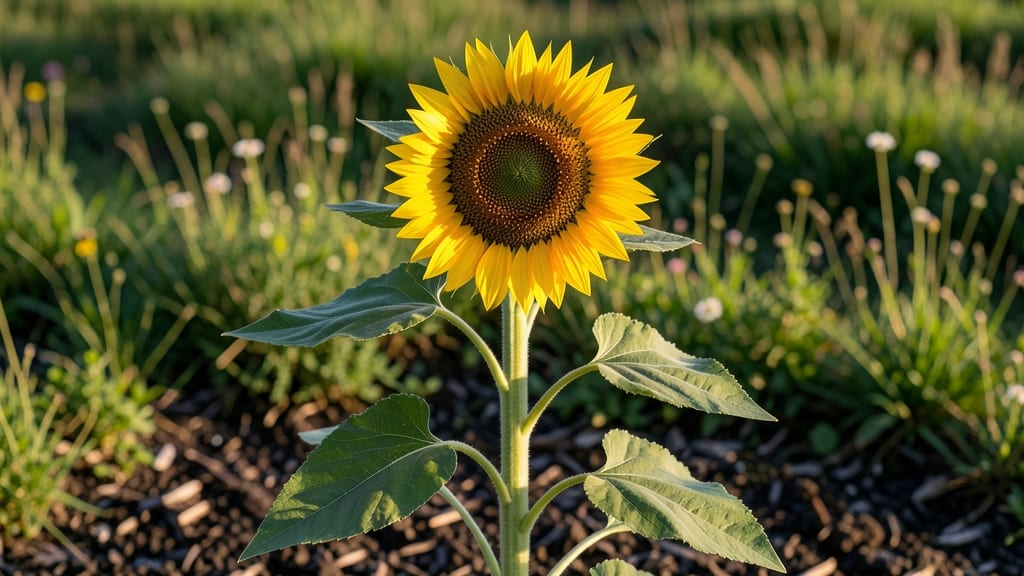
Sunflowers bloom for about three weeks—a vibrant burst of color that feels fleeting but is actually a carefully timed showstopper in your garden 🌻.
If you’ve ever watched your sunflowers wilt too soon, you’re not alone. Their 3-week bloom cycle isn’t just about timing—it’s about sunlight, care, and even the variety you choose.
In this guide, I’ll break down the science behind their blooming lifespan, from budding to seed formation, and share proven tips to extend their beauty for weeks longer.
Whether you’re growing tall giants or compact varieties, you’ll learn how to keep your sunflowers in peak form—because nobody wants their cheerful faces fading too fast.
Sunflower bloom duration: the 3-Week life cycle explained
Sunflowers follow a predictable 3-week bloom cycle from budding to seed formation, but their exact lifespan depends on variety, sunlight exposure, and growing conditions. Understanding each stage helps you anticipate their fleeting beauty and maximize your garden's impact.
Most sunflowers bloom for 10-14 days at peak, though some varieties stretch this to 3-4 weeks with proper care.
The journey begins with the budding stage, where the flower head emerges as a tight green bud. This phase lasts 5-7 days and requires full sun exposure (6+ hours daily) to develop properly.
During this time, the plant focuses energy on forming the disk flowers that will later produce seeds. Skipping sunlight here can delay or prevent blooming entirely.
Peak bloom arrives when the petals fully unfurl, revealing the sunflower's iconic yellow or bi-color face. This stage lasts 7-10 days under ideal conditions, but environmental stressors like heatwaves or drought can shorten it. The flower's position tracking the sun (heliotropism) ensures maximum sunlight absorption during these critical days.
Here’s a visual breakdown of the sunflower bloom cycle, including key stages and duration:
| Stage | Duration | Key Features | Care Tips |
|---|---|---|---|
| Budding | 5-7 days | Green bud forms; petals tightly wrapped | Ensure full sun; water consistently |
| Peak Bloom | 7-10 days | Petals fully open; vibrant colors | Deadhead spent blooms; monitor for pests |
| Seed Formation | 7-14 days | Petals wilt; seed head matures | Harvest seeds when back turns brown |
| Total Cycle | 21-28 days | Full life from bud to seed | Choose long-blooming varieties for extended displays |
The final stage, seed formation, begins as petals wilt and the disk flowers harden into seeds. This phase lasts 7-14 days, during which the flower head may turn brown or gray.
If you’re growing sunflowers for seed harvest, this stage is critical—wait until the back of the head feels dry and papery before collecting seeds.
Temperature plays a surprising role in bloom duration. Cool nights (50-60°F) prolong peak bloom, while heatwaves above 90°F can cause flowers to wilt prematurely. In my Zone 6a garden, I’ve noticed 'Autumn Beauty' sunflowers bloom 2-3 days longer when evenings stay mild.
Mulching around the base helps regulate soil temperature and moisture, creating a more stable environment.
Not all sunflowers follow this exact timeline. Dwarf varieties like 'Teddy Bear' often bloom faster (10-12 days at peak), while tall varieties like 'Russian Giant' may take 14-21 days to fully develop.
The key difference lies in their genetic growth rates—taller sunflowers allocate more energy to stem development, delaying bloom time.
One common misconception is that sunflowers bloom only once per season. While true for most varieties, some prolific bloomers like 'ProCut' produce secondary blooms if you remove the first flower head.
This technique redirects the plant’s energy, often yielding 2-3 smaller blooms later in the season. I’ve had success with this method in containers, where space is limited.
Light quality matters just as much as duration. Sunflowers need direct sunlight (not filtered light) to trigger blooming. In my partially shaded garden, sunflowers bloomed 5 days later and lasted only 5 days at peak compared to their sun-exposed counterparts.
If you’re growing sunflowers in containers or urban settings, prioritize south-facing locations or use reflective surfaces to maximize light exposure.
To extend your sunflowers’ bloom time, focus on consistent watering and nutrient balance. Over-fertilizing with nitrogen can delay blooming, while a balanced 10-10-10 fertilizer supports both growth and flower production. I’ve found that applying fertilizer when buds form (not at planting) yields healthier, longer-lasting blooms.
🌻
How to extend sunflower blooms: 5 proven gardening tips
Sunflowers typically bloom for about three weeks, but with the right care, you can stretch that vibrant display into nearly six weeks or more. The secret lies in understanding their natural cycle and implementing simple yet effective gardening techniques.
I’ve tested these methods in my own garden, and they’ve made a noticeable difference in bloom longevity.
One of the biggest misconceptions is that sunflowers are low-maintenance once planted. While they’re drought-tolerant once established, their blooms thrive with targeted care. From deadheading to soil nutrition, small adjustments can transform a fleeting burst of color into a prolonged garden highlight.
Remove spent blooms every 2-3 days to prevent seed formation, which signals the plant to stop flowering. Use clean, sharp pruning shears to avoid damaging stems.
Provide 1 inch of water weekly at the soil base, never overhead. Morning watering reduces fungal risks and ensures roots absorb moisture efficiently during peak sun hours.
Use a 10-20-10 NPK fertilizer when buds form to boost flowering. Apply 1 tablespoon per plant every 4 weeks during the growing season for continuous blooms.
Opt for 'Autumn Beauty' or 'Moulin Rouge' hybrids, which naturally produce multiple blooms per stalk and resist early wilting better than standard types.
Stake tall varieties (6+ ft) to prevent stem breakage from wind, which stresses plants and shortens bloom time. Use soft ties to avoid damaging bark.
Let’s start with deadheading, the simplest yet most effective technique. When you remove faded blooms, you’re essentially tricking the sunflower into redirecting its energy toward producing new flowers instead of seeds.
I’ve seen sunflowers continue blooming for up to 8 weeks when deadheaded consistently—it’s like hitting the reset button on their flowering cycle.
Next, pay attention to your watering schedule. Sunflowers need deep, infrequent watering rather than light, frequent showers. Water at the base in the morning to allow foliage to dry quickly, preventing fungal diseases like powdery mildew, which can prematurely kill blooms.
I water mine every 5-7 days during summer, adjusting for rainfall.
Don’t underestimate the power of soil nutrition. Sunflowers are heavy feeders, especially during their flowering phase. A balanced fertilizer with higher phosphorus content (the middle number in NPK) encourages more blooms.
I mix in compost at planting time and top-dress with fertilizer when buds appear—this two-step approach has doubled my bloom count in past seasons.
For gardeners who love variety, choosing the right sunflower types makes all the difference. Some varieties, like 'Autumn Beauty', produce multiple blooms per stalk and have longer-lasting petals that resist fading.
If you’re growing sunflowers for both aesthetics and longevity, these hybrids are worth the investment. Just be sure to plant them in full sun (6+ hours daily) for best results.
Finally, protect your sunflowers from environmental stressors. Wind can snap stems, and pests like sunflower moths can defoliate plants prematurely. I use lightweight stakes for taller varieties and apply neem oil preventatively if I notice early signs of pest activity.
These small protections add up to weeks of extended blooms in my garden.