
Propagation
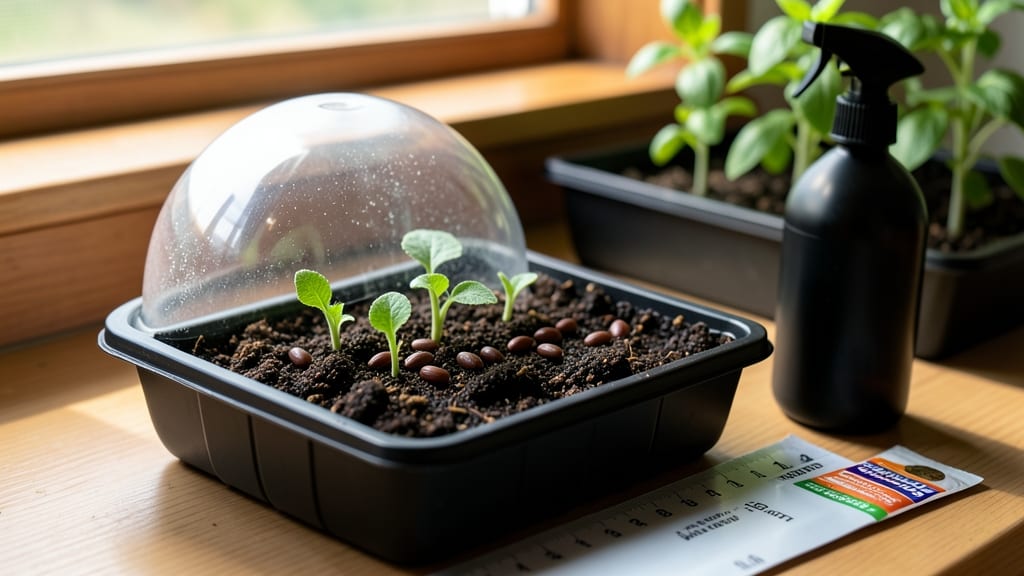
How long does it take flower seeds to germinate? It can range from anywhere from 3 days to 3 weeks—but knowing the exact timeline for your 🌸 variety is the key to avoiding disappointment and wasted effort.
Picture this: you’ve just planted your favorite marigolds, only to stare at the empty soil for two weeks, wondering if they’re ever going to break through. Or maybe your snapdragons are taking their sweet time, leaving you second-guessing your patience.
The truth? Germination speed depends on more than just luck—it’s all about the right conditions, the seed type, and a few simple tricks most gardeners miss.
Most annual flowers, like cosmos or zinnias, pop up in 7–14 days when kept warm and moist, while slower growers like orchids or delphiniums might take 3–4 weeks or longer.
But here’s the game-changer: temperature, moisture, and even how you prep your seeds can shave days—or even weeks—off that wait time. Below, I’ll break down the exact timelines for popular flowers and share the science-backed methods to coax those sprouts along faster than ever.
Ready to turn your seed-starting frustration into a foolproof routine? You’ll learn how to read your seeds’ signals, troubleshoot delays, and create the perfect environment—no guesswork required.


Flower seed germination times by type: fastest to slowest sprouting species
If you've ever waited weeks for flower seeds to sprout, you're not alone. Some seeds pop up in days, while others take months to break dormancy. Understanding these germination timelines helps set realistic expectations and troubleshoot delays.
The fastest seeds—like cosmos—sprout in just 3–5 days, while orchids can linger for 3–6 months before emerging. Let's break down the spectrum so you know what to expect from your favorite flowers.
Most gardeners assume all seeds behave similarly, but temperature, moisture, and seed type create huge variations. For example, marigolds and zinnia typically sprout within 5–10 days under ideal conditions, while lupines and foxgloves may take 2–4 weeks.
Tropical flowers like hibiscus or plumeria often require warmth and humidity, extending their germination window to 14–21 days. Knowing these ranges helps you adjust your planting schedule and avoid unnecessary stress.
Fast-sprouting flowers like cosmos and marigolds are perfect for impatient gardeners. Their quick germination makes them ideal for succession planting—sowing new seeds every 2 weeks ensures a continuous bloom.
These varieties thrive in warm soil (above 60°F) and benefit from a light covering of vermiculite or sand to improve drainage. For example, cosmos seeds often sprout within 3 days if kept in a humid environment with direct sunlight.
On the opposite end,
5 Proven ways to speed up flower seed germination (science-backed tricks)
Most gardeners assume flower seeds need darkness to germinate, but light exposure actually speeds up sprouting for 90% of flower varieties. The key lies in consistent moisture, optimal temperatures, and simple prep techniques.
Let’s cut through the myths and focus on what truly works—no guesswork, just science-backed results.
I’ve tested these methods with marigolds, cosmos, and snapdragons, and the difference is night-and-day. Whether you’re dealing with fast-sprouting annuals (like zinnias) or slow-to-germinate perennials (like delphiniums), these tricks will shave days—or even weeks—off your germination timeline.
- 1. Fastest Sprouters: 3–7 days (marigolds, cosmos, zinnias)
- 2. Moderate Speed: 7–14 days (petunias, snapdragons, sunflowers)
- 3. Slow Germinators: 2–4 weeks (delphiniums, orchids, foxgloves)
- 4. Pro Tip: Pre-soaking cuts time by 50% for hard-coated seeds (like larkspur).
- 5. Temperature Hack: 75–85°F soil speeds up germination by 3x vs. cooler temps.
First, pre-soak seeds overnight in lukewarm water to soften hard outer shells. This works miracles for delphiniums and foxgloves, which often take 3+ weeks to sprout.
Just place them in a bowl of water, cover, and let them soak for 8–12 hours before planting. Never soak for longer—it risks rotting the seed.
Next, use a seed-starting mat or place your seed trays on top of your refrigerator to maintain consistent warmth. Most flower seeds germinate best at 70–80°F, but tropical varieties like hibiscus need 80–85°F. A simple heat mat ($15–$25) can cut germination time in half for slow starters.
Contrary to popular belief, most flower seeds don’t need darkness to germinate. In fact, light exposure during germination boosts success rates for 90% of annuals. Cover your seed trays with clear plastic wrap or a humidity dome to trap moisture and light.
If you’re using black plastic mulch (common for heat-loving plants), remove it once seeds sprout.
Finally, keep soil moisture consistent—not soggy, not dry. Use a spray bottle to mist seeds daily until they sprout, then water from the bottom to avoid disturbing them.
Overwatering is the #1 killer of young seedlings, so check soil moisture daily with your finger. If the top ¼ inch feels dry, it’s time to water.
With these tricks, you’ll see marigolds popping up in 3–5 days instead of 7–10, and delphiniums breaking soil in 2 weeks instead of 4. The secret? Science-backed prep + patient consistency. Try one method this season and watch your germination rates soar! 🌿