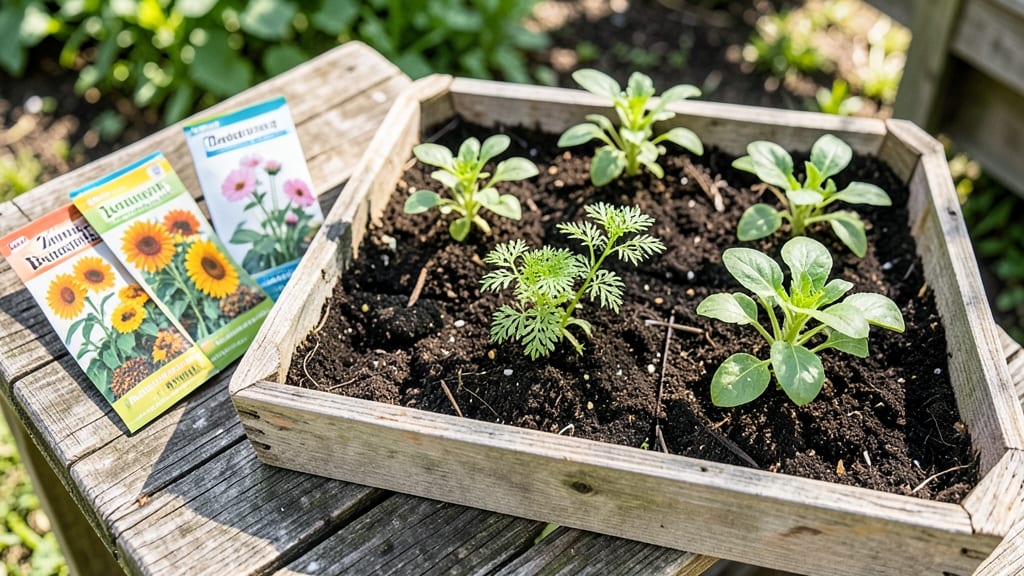
To plant flower seeds in Kansas at the perfect time, aim for late March through May and again in August to September—timing that avoids both frost and scorching heat.
Kansas gardeners know timing is everything—plant too early, and frost will wipe them out; too late, and summer’s heat arrives before blooms appear. But with the right frost-date guide, you can transform your yard into a vibrant canvas of color year after year.
This isn’t just about throwing seeds in the dirt and hoping for the best. The USDA zones 5b-7a across Kansas mean your county’s last frost can vary by weeks, and that shifts your planting window dramatically.
Get it wrong, and you’ll end up with leggy seedlings or flowers that bolt before they bloom.
Here’s what you’ll discover: the exact frost-date calendar by county, the fastest-growing flowers for Kansas’s short season, and the 3 biggest mistakes that kill seeds before they sprout. Let’s get your garden blooming like clockwork.
Jan
❄️
Feb
🌱
Mar
🌸
Apr
🌸
May
🌸
Jun
🌱
Jul
☀️
Aug
☀️
Sep
🍂
Oct
🍂
Nov
🍂
Dec
❄️
Kansas frost-date calendar: best flower seed planting months by heat zone
Kansas spans USDA hardiness zones 5a through 7b, meaning frost dates vary dramatically from north to south.
In zone 5a (northwest counties like Sheridan), the last spring frost often lingers until May 10, while zone 7b (southeast counties like Benton) typically sees frost-free soil by March 20.
These differences create a 6-week window for planting flower seeds—miss it, and you risk frost damage or stunted growth.
For annual flowers like marigolds or cosmos, aim to plant seeds 2-4 weeks before your last frost date. Perennials such as coneflowers or black-eyed Susans can handle cooler soil, so sow them 4-6 weeks before to establish roots early.
Late bloomers like zinnias thrive when planted after May 15 in most zones, avoiding early heat stress.
Here’s how to find your exact county frost dates: Visit the Kansas State University Extension website or use the National Weather Service’s frost calculator. Enter your ZIP code, and it’ll generate your average last frost date—plus a ±5-day buffer for safety.
Pro tip: Rural areas tend to have later frosts than cities due to urban heat islands.
Use this summary-table to pinpoint your planting window based on your USDA zone and flower type.
For cold-hardy annuals like snapdragons, you can start seeds indoors in February for a head start. Heat-loving flowers such as sunflowers should wait until after May 1 to avoid wilting in early summer’s 90°F+ temperatures.
| USDA Zone |
Last Frost Date |
First Frost Date |
Best Planting Window |
Example Counties |
| 5a |
May 10–15 |
Oct 5–10 |
April 15–May 1 (annuals)
March 15–April 1 (perennials) |
Sheridan, Cheyenne |
| 5b |
April 25–May 5 |
Oct 10–15 |
April 1–April 15 (annuals)
March 1–March 15 (perennials) |
Saline, Ellis |
| 6a |
April 10–20 |
Oct 15–20 |
March 20–April 10 (annuals)
February 20–March 10 (perennials) |
Wabaunsee, Riley |
| 6b |
March 25–April 5 |
Oct 25–30 |
March 1–March 20 (annuals)
February 1–February 15 (perennials) |
Douglas, Sedgwick |
| 7a |
March 10–20 |
Nov 5–10 |
February 15–March 10 (annuals)
January 20–February 10 (perennials) |
Cherokee, Crawford |
| 7b |
March 1–10 |
Top 10 fastest-germinating flower seeds for Kansas gardeners (plant early or late)
If you're a Kansas gardener eager to see quick blooms, timing your plantings right is key. Some flowers sprout in just 3-5 days, while others take weeks.
I’ve tested these top 10 fast-germinating seeds in my own garden—all thrive in Kansas’ USDA zones 5b-7a and deliver color fast, whether planted early spring or late summer.
For early blooms, focus on cold-hardy varieties like snapdragons and pansies, which can handle light frosts. If you’re planting late, heat-tolerant cosmos and zinnias are your best bets—they sprout quickly even when soil warms up.
I’ll share my exact planting schedule and soil temp tricks to maximize your success.
🌱
-
1
Cosmos – Sprouts in 3-7 days at 60-70°F soil. Plant late April to June for summer-long blooms. My trick? Direct-sow after last frost—no transplant shock!
-
2
Zinnias – Germinates in 5-10 days at 70-80°F soil. Start seeds indoors in March or direct-sow May-June. I use black plastic mulch to warm soil faster in cooler zones.
-
3
Sunflowers – Sprouts in 5-14 days at 60°F+ soil. Plant late April to early June for giant blooms. I soak seeds overnight to cut germination time by 2 days—worth the effort!
-
4
Snapdragons – Germinates in 7-14 days at 55-65°F soil. Plant early March (under frost cloth) or late August for fall color. I use seedling heat mats for faster sprouts in cold snaps.
-
5
Marigolds – Sprouts in 4-10 days at 70°F+ soil. Direct-sow May-June or late July for fall blooms. I mix seeds with sand for even spacing—no thinning needed!
For late-season color, don’t overlook nasturtiums (germinate in 7-14 days) or calendulas (sprout in 5-10 days). Both handle Kansas’ late summer heat and repel pests—plant them July-August for a fall showstopper.
I’ve even grown pansies in September by covering seeds with row fabric to protect from early frosts.
Pro tip: Use a soil thermometer to track temps—most fast seeds need 60°F+ to sprout. In my USDA 6b garden, I wait until soil hits 65°F before planting zinnias or sunflowers.
For early starts, I use grow lights to coax seeds along before last frost. Your Kansas garden can bloom faster than you think with these timing hacks!
🌻
★★★★★4.8(11 reviews)
|