
Blooming
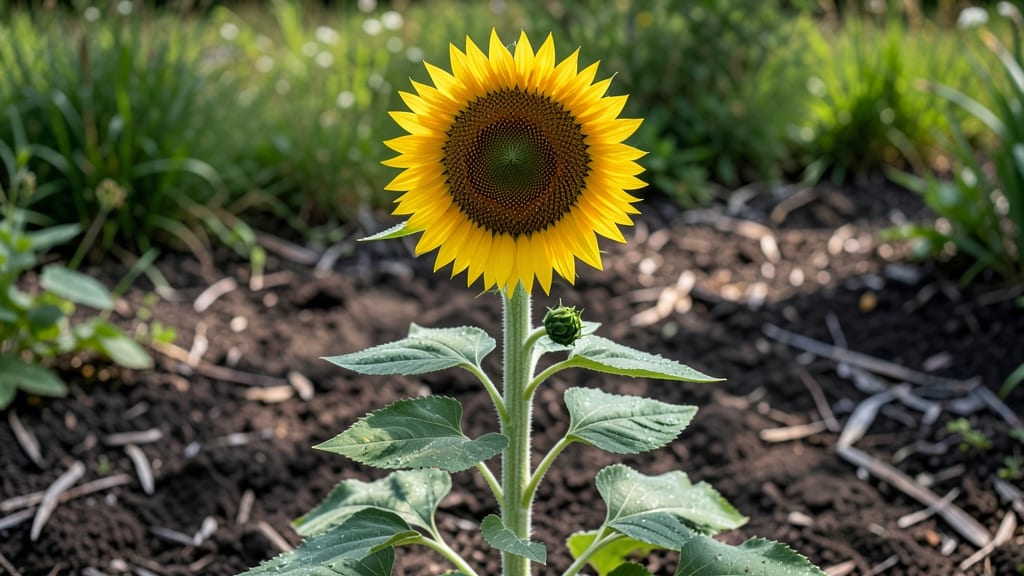
Sunflowers take between 60 and 120 days to flower from seed, depending on the variety and growing conditions — a timeline that turns a simple seed into a towering 🌻 showstopper.
Picture this: you plant your seeds in early spring, and by mid-summer, you’re harvesting blooms for bouquets or bird feeders. But here’s the catch — some varieties bloom in as little as 50 days, while giants like Russian Mammoth take 100+ days.
That’s why knowing your sunflower’s personality is the key to planning.
Sunlight, soil warmth, and consistent watering play huge roles in speeding up (or slowing down) that bloom time. Too little sun? Expect delays. Soil too cold? Growth stalls. But with the right conditions, you can shave weeks off the timeline and enjoy those cheerful faces even sooner.
Below, I break down the exact days for popular varieties, how to optimize growth speed, and when to start watching for those first golden petals. Ready to turn your garden into a sunflower spectacle?
Sunflower flowering timeline by variety: exact days from seed to bloom
If you’ve ever planted sunflower seeds and wondered, "How long until those golden blooms appear?" the answer depends entirely on the variety you’re growing. Some sunflowers burst into color in just 50 days, while others take 120 days or more to reach their full glory.
Understanding these timelines helps you plan for cut flowers, seed harvests, or simply a stunning summer display. Let’s break down the exact flowering times for popular varieties, so you can set realistic expectations and optimize your garden’s performance.
Sunflower flowering time is measured from germination (when the seed sprouts) to the first open bloom. However, most seed packets list days to maturity, which includes the time from planting to when the flower head is fully formed but not yet open.
For accurate bloom timing, subtract 5–10 days from the maturity date—this accounts for the final stages of bud development before the petals unfurl. For example, a 90-day maturity sunflower typically flowers around 80–85 days after planting.
Dwarf varieties like Teddy Bear and Sunspot are the fastest bloomers, often reaching their first open flowers in just 40–55 days. These are perfect if you’re growing sunflowers in containers or need early summer color.
Their compact size also makes them ideal for border gardens or urban spaces where towering varieties might not fit. If you’re aiming for a late-summer harvest or dramatic height, standard varieties like Mammoth or Russian Giant will deliver—but be prepared to wait 100+ days for those iconic towering blooms.
For cut flowers, semi-dwarf varieties like ProCut strike the perfect balance.
Factors that speed up or delay sunflower flowering (and how to control them)
Sunflowers are sensitive to their growing environment, and small changes in care can dramatically shift their flowering timeline. I’ve seen 50-day varieties bloom in just over a month with ideal conditions, while the same seeds might take 120 days in cooler, shadier spots.
The key is understanding which factors accelerate growth—and which ones stall it.
From soil temperature to watering consistency, each element plays a role. For example, warm soil speeds up germination, while inconsistent moisture can cause delays. Let’s break down the most critical factors and how to optimize them for faster (or more controlled) blooms.
How Long Does It Take for a Sunflower to Flower?
- 1 50–60 days for dwarf varieties (e.g., 'Teddy Bear') with ideal conditions.
- 2 60–90 days for standard varieties (e.g., 'ProCut') in average climates.
- 3 90–120+ days for giant varieties (e.g., 'Russian Mammoth') in cooler zones.
- 4 10–20 days faster with full sun and warm soil (60°F+).
- 5 2–4 weeks delayed in partial shade or cold soil (<50°F).
Sunlight is the #1 factor controlling bloom speed. Sunflowers need 6–8 hours of direct sun daily—any less, and you’ll see stunted growth and delayed flowering. I once grew 'Autumn Beauty' in partial shade, and their blooms took 3 weeks longer than identical plants in full sun.
If your garden has limited sun, consider reflective mulch or a nearby white wall to bounce light onto the plants.
Soil temperature directly impacts germination and early growth. Seeds won’t sprout well in soil below 50°F (10°C). To speed things up, use black plastic mulch or plant in raised beds, which warm faster.
I’ve seen germination times cut in half by warming the soil just 10°F higher than the surrounding area. For container growers, use heat mats under pots to maintain consistent warmth.
Watering consistency is often overlooked but critical. Sunflowers need 1–1.5 inches of water weekly, but inconsistent moisture causes stress, which delays flowering. Deep watering in the morning (before 10 AM) prevents fungal issues and ensures roots absorb moisture efficiently.
During heatwaves, I increase watering to every 3–4 days to keep the soil evenly moist but not soggy.
Fertilization timing matters just as much as sunlight. A balanced 10-10-10 fertilizer applied at planting and again when plants are 6 inches tall promotes faster growth. Over-fertilizing with nitrogen can lead to lush foliage but fewer blooms.
I recommend side-dressing with compost tea mid-season to give a gentle nutrient boost without risking root burn.
Finally, pruning can control bloom timing. Pinching back the main stem when plants are 12–18 inches tall encourages side shoots, which can produce additional blooms. However, this delays the first flower by 7–10 days.
If you’re after early blooms, skip pruning—save it for established plants if you want a prolonged display.