
Light Requirements
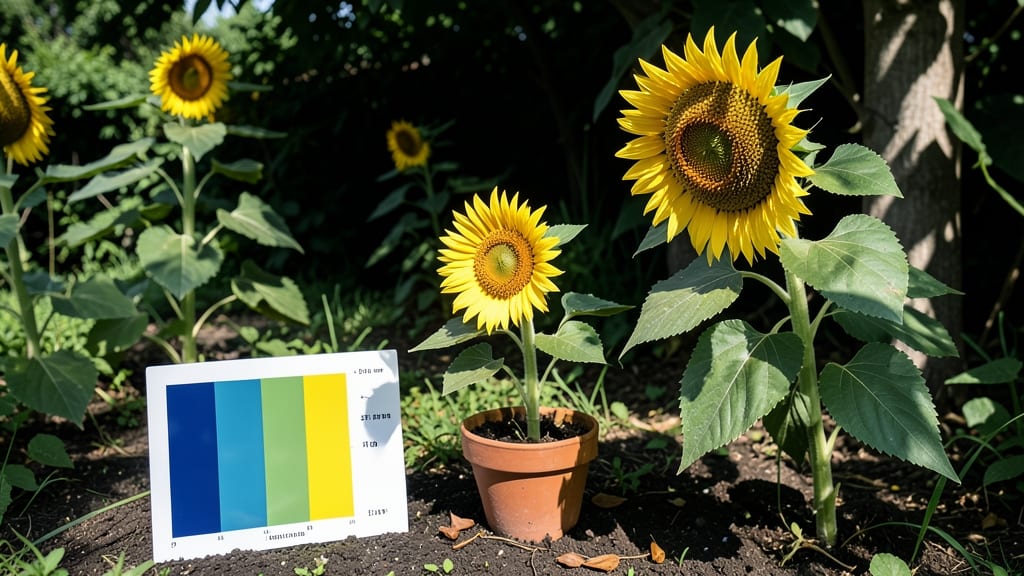
Flowers need between 3 and 12 hours of sunlight daily—but most gardeners guess wrong, leaving their blooms weak or struggling.
Sunlight exposure is the #1 factor determining whether your garden thrives or withers, and 6+ hours of full sun is the magic threshold for many popular varieties like sunflowers and marigolds 🌸.
Too little light, and your flowers won’t bloom; too much, and they’ll scorch. The key is matching your plants to their ideal light conditions.
In this guide, you’ll discover exactly how many hours different flowers need—from sun-loving annuals to shade-tolerant perennials—and how to adjust sunlight exposure in your garden for bigger, healthier blooms. No more guessing, just science-backed placement tips.
We’ll also cover how to measure sunlight in your yard, spot common mistakes (like overwatering in full sun), and tweak your garden layout for year-round success, no matter your zone.


Sunlight requirements by flower type: full sun vs partial shade breakdown
Understanding how much sunlight do flowers need is the foundation of a thriving garden. Too little light and your blooms will fade; too much can scorch delicate petals. Most gardeners assume "sunny" means "full sun," but flowers actually fall into three distinct categories based on their light needs.
Let's break down the sunlight spectrum from 6+ hours of direct sun to 2-4 hours of filtered light, with specific examples that will transform your garden's success rate.
I've planted everything from sunflowers that reach for the sky to hostas that thrive in dappled shade, and the difference in growth is night-and-day. The key is matching your flower varieties to their ideal light conditions.
For instance, geraniums and black-eyed Susans will wilt in shade, while bleeding hearts and astilbes will burn in full sun. Let's explore these categories with precise sunlight requirements and real-world examples.
🌞 Full Sun Lovers (6+ hours of direct sunlight) include most annuals and perennials that produce bold, vibrant blooms. These are the high-energy flowers that need intense light to fuel their growth. Without enough sun, they'll produce fewer blooms and weaker stems. Think of these as your garden's power players—they demand attention but deliver spectacular results when placed correctly.
☀️ Partial Sun (3-6 hours of direct sunlight) is the Goldilocks zone for many flowers. This category includes plants that can handle some direct sun but also appreciate afternoon shade, especially in hot climates. These are often medium-height perennials that thrive in transitional spaces like the edge of a patio or under high tree branches. They're the versatile performers of the garden world.
🌿 Partial Shade (2-4 hours of direct sunlight) refers to flowers that prefer bright, indirect light or filtered sunlight through tree leaves. These are typically woodland natives or shade-tolerant perennials that would scorch in full sun. They often have delicate foliage and softer blooms, making them perfect for woodland gardens or areas with afternoon shade.
| Sunlight Category | Direct Sun Hours | Flower Examples | Growth Impact of Wrong Light | Ideal Garden Placement |
|---|---|---|---|---|
| Full Sun | 6+ hours |
|
|
South-facing beds, raised beds, containers |
| Partial Sun | 3-6 hours |
|
|
East or west-facing beds, under deciduous trees |
| Partial Shade | 2-4 hours |
|
|
North-facing beds, under dense tree canopies |
The full sun category includes the most dramatic bloomers, like sunflowers that can grow 6 feet tall with proper light. These plants convert sunlight into energy through a process called photosynthesis, which is why they need 6+ hours of direct sun.
Without enough light, their growth slows dramatically, and you'll notice stunted stems and smaller blooms. For example, my lavender bushes produce 3x more flowers when placed in full sun compared to partial shade.
For partial sun flowers, the key is providing morning sun and afternoon shade, especially in hot climates. Daylilies and coneflowers are perfect examples—they'll tolerate some direct sun but appreciate relief from the harsh afternoon rays.
I've seen coreopsis plants wilt dramatically when moved to full sun, while they thrive with just 4 hours
How to measure sunlight in your garden and adjust for flower success
Measuring sunlight in your garden isn't just about guessing—it's about precision that determines whether your roses bloom or your petunias fade. Many gardeners assume all sun is equal, but morning sun and afternoon sun behave differently, especially in hot climates.
For example, a south-facing garden gets intense afternoon rays that can scorch delicate blooms, while east-facing areas provide gentle morning light perfect for shade-loving impatiens.
Start by observing your garden's microclimates—areas that behave differently due to obstructions like trees, fences, or even your house. A spot near a brick wall might get 30% more heat than an open area, creating a "hot zone" where only heat-tolerant flowers like lantana thrive.
Use a sunlight mapping tool (even a simple garden journal) to track how light shifts with the seasons—what’s full sun in summer might become partial shade in winter.
- 🌻 Full Sun (6+ hours): Needed by sunflowers, zinnias, and dahlias—place in south or west exposures.
- 🌿 Partial Shade (3-6 hours): Ideal for petunias, coleus, and begonias—use dappled light from trees.
- 🌲 Shade (<3 hours): Reserve for hostas, heucheras, and ferns—avoid hot afternoon sun.
- ⏳ Seasonal Adjustments: What’s full sun in June may be partial shade in December—plan for winter shifts.
- 📏 Measure with a Stick: Place a yardstick in the ground and mark shadows every hour to track sunlight duration.
To adjust sunlight exposure, use physical barriers like trellises, lattice screens, or even tall plants to filter harsh light. For example, planting tall sunflowers on the north side of a bed can cast natural shade for shade-loving roses in the afternoon.
Alternatively, move potted flowers to sunnier spots in spring and fall when days are shorter. A 5-gallon container of geraniums can be rotated weekly to balance light exposure.
Don’t overlook reflective surfaces, which can amplify sunlight by up to 20%. Light-colored gravel paths or white mulch bounce extra light onto nearby plants, while dark soil absorbs heat.
Test this by placing a thermometer in different spots—if the temperature exceeds 90°F, it’s too hot for most flowers. Use shade cloth (30-50% coverage) to protect heat-sensitive blooms like peonies during peak summer.
For container gardens, mobility is your best tool. Group sun-loving flowers together in one pot and shade-tolerant varieties in another, then rotate them as the sun moves. A wheelbarrow full of marigolds can be shifted to follow the sun’s arc, ensuring they get 6+ hours daily without scorching.
In urban gardens, south-facing balconies often get intense light, so pair heat-tolerant flowers like portulaca with self-watering pots to prevent wilting.
Finally, account for cloud cover and local weather patterns. If your area gets frequent afternoon clouds, a west-facing spot might still qualify as full sun. Track sunlight for at least two weeks to account for variable weather, and adjust your garden layout accordingly.
With these adjustments, you’ll maximize blooms and minimize stress on your plants—no more guesswork, just flourishing flowers all season long 🌷.