
Blooming
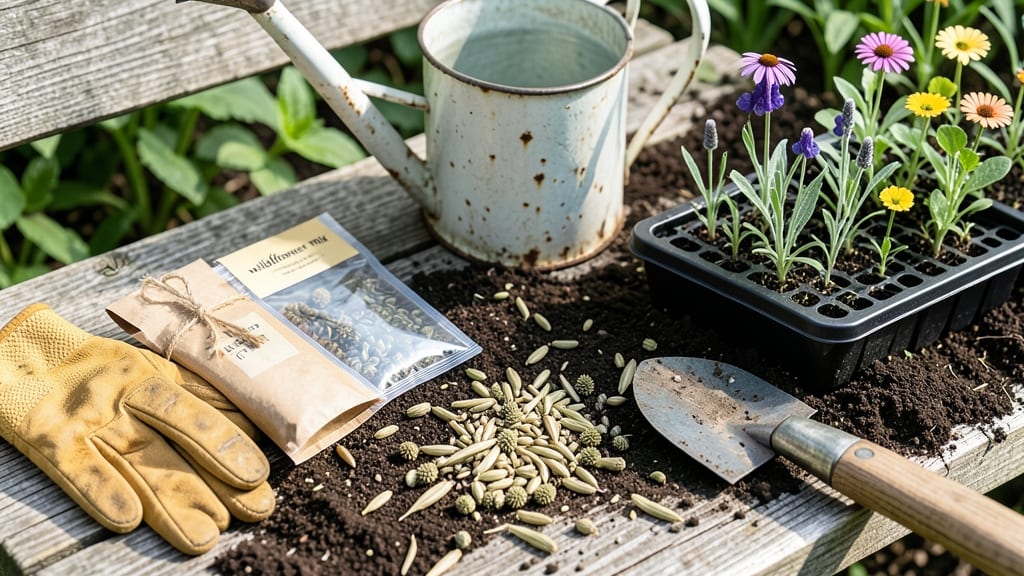
Wildflowers to sprout takes anywhere from 7 to 30 days, depending on the seed type, soil prep, and a few tricks that can cut weeks off the wait.
Picture this: you scatter your seeds in early spring, water them gently, and then... nothing for weeks. That’s the frustration many gardeners face when wildflowers 🌼 take their sweet time to break through the soil.
Some varieties, like cosmos or zinnias, pop up in as little as 5 days with the right conditions, while others, like lupines, may need up to 30 days or more. The key? Understanding your soil, climate, and a few pro tips to speed things along.
Below, I’ll break down the fastest-sprouting species, share my top tricks for coaxing seeds to life sooner, and help you avoid common mistakes that slow down germination.
Wildflower germination times by seed type: fastest to slowest sprouting species
Understanding wildflower germination times transforms guesswork into gardening confidence. Some seeds like cosmos pop up in just 5–10 days, while others like lupines take 21–30 days to break through the soil.
These differences stem from seed size, dormancy requirements, and even climate conditions. Knowing what to expect helps you plan your garden layout and timing for maximum impact.
The key factor is seed dormancy, a natural delay mechanism that ensures seeds only sprout under ideal conditions. For example, black-eyed Susans have hard seed coats that require scarification (lightly scratching the seed) to speed up germination.
Meanwhile, poppies often need cold stratification, mimicking winter conditions, to break dormancy. These processes explain why some wildflowers seem to "wait" before growing.
Another critical variable is soil temperature. Most wildflower seeds germinate best when soil reaches 60–75°F. In cooler climates, waiting until late spring or early summer ensures faster sprouting.
Conversely, heat-loving species like sunflowers may germinate in just 7–14 days when planted in warm soil. Always check the USDA zone recommendations for your specific wildflower mix.
Here’s how wildflower seeds compare in germination speed, from fastest to slowest:
If you’re eager to see quick results, prioritize fast-sprouting wildflowers like cosmos or zinnia for instant color. These varieties are perfect for filling gaps in your garden or creating a wildflower meadow that blooms within weeks.
For a more naturalistic look, mix in slower-growing species like lupines or milkweed, which add height and structure later in the season.
Climate plays a huge role in germination speed. In dry climates, wildflowers like blanket flower may take longer to sprout due to low moisture levels, while humid regions can accelerate growth for species like coreopsis. Always monitor soil moisture—keeping it consistently damp (not soggy) is critical for all wildflower seeds. A light misting twice daily can make a difference for slow starters.
For slow-sprouting seeds, patience is key. Some varieties, like prairie dropseed, may take up to 60 days to germinate but reward you with drought-resistant grasses that thrive for years.
To avoid frustration, label your planting areas by seed type and germination timeline. This helps track progress and adjust care routines as needed.
One pro tip: Pre-soak seeds like poppies or lupines for 24 hours before planting to soften hard seed coats. This can cut germination time by nearly 50%.
Just be cautious—over-soaking can lead to rot. Pair this with a light mulch layer (like straw) to retain moisture without suffocating the seeds.
Finally, remember that wildflowers are resilient. Even if germination takes longer than expected, most species will eventually thrive with minimal intervention. The key is creating the right conditions: well-draining soil, adequate sunlight, and consistent (but not excessive) water.
Once established, many wildflowers require little maintenance beyond occasional deadheading to encourage more blooms.
🌱
5 Proven tricks to speed up wildflower germination (even for slow sprouters)
Wildflowers like cosmos and black-eyed Susans can sprout in as little as 5 days, but others—like lupines or milkweed—might take 30 days or more. The key to faster germination lies in understanding your seeds' natural dormancy cycles and mimicking their ideal growing conditions.
Whether you're dealing with hard-coated seeds or those needing a cold snap, these tricks can cut weeks off your wait time.
Not all wildflower seeds respond to the same methods. For example, scarification (scratching seed coats) works wonders for poppies, while cold stratification is essential for milkweed and lupines.
By tailoring your approach, you’ll see sprouts appear faster and more uniformly. Let’s dive into the top 5 strategies that actually work.
For scarification, focus on seeds with thick coats like lupines or poppies. A light scratch with fine-grit sandpaper or a file can jumpstart germination in just 3–7 days. Always test a few seeds first—some varieties are sensitive to over-scratching.
If you’re impatient with cold stratification, try the "winter in a bag" trick: mix seeds with damp peat moss, seal in a zip-top bag, and refrigerate for 2–4 weeks.
When it comes to soil temperature, wildflowers thrive when soil hits 70–85°F. Use a soil thermometer to monitor conditions, especially in cooler climates. If your garden runs cold, try a black plastic mulch or a heated seed mat to create the ideal environment.
For light exposure, avoid burying seeds deeper than 1/4 inch—most wildflowers need sunlight to trigger germination.
Pro tip: Combine methods for stubborn seeds. For example, stratify milkweed seeds first, then pre-soak them before planting. This two-step approach can reduce germination time from 30 days to just 10–14 days. Always keep soil moist but not soggy—a spray bottle works best for delicate seeds.
Remember, patience is still key, but these tricks can make a world of difference. Start with fast-sprouting varieties like cosmos or zinnia to see results quickly, then move on to slower growers like lupines or black-eyed Susans.
With the right conditions, you’ll have a vibrant wildflower garden in no time!