
Flowers
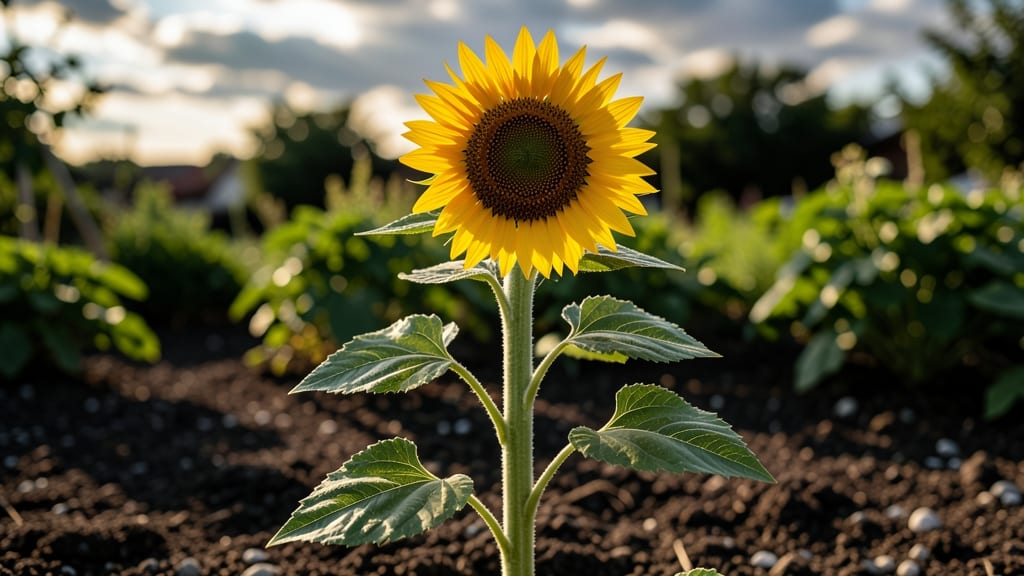
Growing sunflowers from seed to those towering golden blooms takes about 80 to 120 days, depending on the variety and conditions—but getting the timing right can make all the difference.
Picture this: You plant a seed in early spring, and by midsummer, you’re harvesting seeds or cutting blooms for bouquets. That’s the magic of sunflowers, but their growth speed isn’t just luck—it’s science.
Whether you’re growing dwarf varieties for containers or giant sunflowers that reach 12 feet, understanding the stages and what speeds them up (or slows them down) is the key to a thriving garden.
In this guide, we’ll walk through the exact growth timeline, from the first sprouts to full maturity, and share practical tips to help you adjust for your climate, soil, and even sunlight. No guesswork—just a clear roadmap to faster, healthier sunflowers.
Ready to turn your garden into a sunflower haven? Let’s dive into the stages, factors, and secrets to growing them faster and stronger than ever before.

Sunflower growth timeline: from seed to full bloom in stages
Sunflowers grow through four distinct stages from seed to full maturity, each with its own timeline and care requirements. Understanding these phases helps you predict when to expect blooms and adjust your garden plan accordingly.
The entire process typically takes 80 to 120 days, but this can vary based on variety and growing conditions.
For example, dwarf varieties like 'Teddy Bear' may reach maturity in as little as 60 to 70 days, while giant sunflowers like 'Mammoth' can take up to 120 days or more. Each stage—germination, vegetative growth, flowering, and seed production—requires specific conditions to ensure healthy development.
Let’s break down the exact timeline for each stage, including how sunlight, soil, and water influence growth speed. This will help you troubleshoot delays or accelerate development when needed.
| Stage | Timeframe | Key Actions | Growth Factors |
|---|---|---|---|
| Germination | 5–14 days | Plant seeds 1 inch deep in warm soil (50°F+). Keep moist but not soggy. | Soil temp, moisture, seed quality |
| Vegetative Growth | 30–50 days | Provide full sun (6+ hours/day), water deeply 2–3x/week, and fertilize lightly. | Sunlight, water, nutrients |
| Flowering | 10–30 days | Monitor for pests, reduce water slightly, and stake tall varieties to prevent toppling. | Temperature, pest control, support |
| Seed Production | 20–40 days | Harvest seeds when back of flower turns brown, or cut blooms for arrangements. | Drying time, humidity, harvest timing |
Let’s start with the first stage: germination. This is where your journey begins, and getting it right sets the tone for the rest of the growing season. Sunflower seeds typically sprout within 5 to 14 days after planting, depending on soil temperature and moisture levels.
For the fastest germination, plant seeds in warm soil (at least 50°F or 10°C) and keep the soil consistently moist but not waterlogged. If your soil is cool, germination can take up to 3 weeks. Use a seedling heat mat if needed, especially in early spring or fall plantings.
Once sprouted, sunflowers enter the vegetative growth stage, where they focus on developing leaves and stems. This phase lasts roughly 30 to 50 days, during which your plants can grow 2 to 3 inches per day under ideal conditions.
During this stage, ensure your sunflowers receive full sun (6–8+ hours daily) and consistent watering (1–1.5 inches per week). Fertilize lightly with a balanced fertilizer (e.g., 5-10-5) to support rapid growth.
Dwarf varieties may stay in this stage for as little as 25 days, while giants can take closer to 60 days.
The flowering stage begins when the bud swells and petals start to unfurl. This phase typically lasts 10 to 30 days, depending on the variety. You’ll know your sunflower is ready to bloom when the bud reaches 12–18 inches in diameter and the petals begin to open.
To encourage faster blooming, ensure your plants have enough phosphorus and potassium (use a bloom-boosting fertilizer like 10-20-20). Reduce watering slightly during this stage to prevent leggy growth, and watch for pests like aphids or spider mites, which can stress the plant and delay flowering.
Finally, the seed production stage occurs after flowering, lasting 20 to 40 days. During this time, the flower’s center (the disk) dries out and seeds mature. If you’re growing sunflowers for seeds, harvest them when the back of the flower turns brown and papery.
For cut flowers, harvest when the petals are fully open but before they brown. If you want to extend bloom time, deadhead spent flowers to encourage reblooming in some varieties.
With proper care, you can enjoy sunflowers from seed to harvest in as little as 80 days—or stretch the process to 120 days for giant varieties.
Factors that speed up or slow down sunflower growth time
Sunflowers are famously fast growers, but their speed from seed to bloom depends on five critical factors you can control.
The right combination of soil quality, sunlight exposure, watering consistency, temperature ranges, and variety selection can cut growth time by 20-30 days—or double it if conditions are off. Let’s break down what makes the difference between a 90-day dwarf and a 120-day giant.
First, soil quality is non-negotiable. Sunflowers thrive in well-draining, nutrient-rich soil with a pH between 6.0 and 7.5. Amend heavy clay with compost or sand, and avoid soggy soil—root rot slows growth by 30%.
A balanced fertilizer (like 5-10-5) applied at planting and again when stems reach 12 inches gives them the boost they need to reach maturity faster.
Next, sunlight exposure is the ultimate growth accelerator. Sunflowers demand full sun (6-8+ hours daily)—any less, and you’ll see stretched stems, fewer blooms, and delayed maturity by 10-15 days.
If your garden gets partial shade, opt for dwarf varieties like ‘Teddy Bear’ (60-90 days to bloom) instead of giants like ‘Mammoth’ (100-120 days).
Watering frequency is another game-changer. Deep, infrequent watering (1-2 inches per week) encourages strong root systems, while shallow, frequent watering leads to weak stems and slower growth. Mulch around the base to retain moisture and keep roots cool—this can shave off 5-10 days from the growth timeline in hot climates.
⚖️ Ideal vs. Suboptimal Conditions for Sunflower Growth
✅ Ideal Conditions
- Soil: Loamy, well-draining (pH 6.0-7.5)
- Sunlight: 8+ hours daily
- Water: Deep soak 2x/week
- Temp: 70-85°F (21-29°C)
- Variety: Fast-maturing (e.g., 'Autumn Beauty')
🌱 Result: 80-90 days to bloom
❌ Suboptimal Conditions
- Soil: Compacted or waterlogged
- Sunlight: <6 hours/day
- Water: Inconsistent or overwatered
- Temp: Below 50°F (10°C) or above 95°F (35°C)
- Variety: Slow-maturing (e.g., 'Russian Giant')
🐢 Result: 100-120+ days to bloom
Don’t overlook temperature ranges—sunflowers love warmth but struggle in extremes. Ideal daytime temps are 70-85°F (21-29°C), while nights below 50°F (10°C) can stall growth entirely. If you’re in a cooler climate, start seeds indoors 2-3 weeks before the last frost or choose early-maturing varieties like ‘ProCut’ (75-80 days).
Conversely, in scorching heat, shade cloth can prevent bolting (premature flowering) and keep plants on track.
Finally, variety selection is the easiest way to control growth time. Dwarf sunflowers like ‘Sunspot’ mature in 50-60 days, perfect for containers or early harvests, while standard varieties like ‘Moulin Rouge’ take 90-100 days.
If you’re growing for cut flowers, prioritize reblooming types like ‘Autumn Beauty’—they’ll give you longer vase life and multiple harvests per season.
By tweaking just one or two of these factors, you can cut weeks off your sunflower’s growth timeline—or troubleshoot delays if your plants seem sluggish. Start with soil and sunlight, then adjust water and temperature as needed.
With the right approach, you’ll be cutting those golden blooms (or harvesting seeds) weeks ahead of schedule! 🌻