
Light Requirements
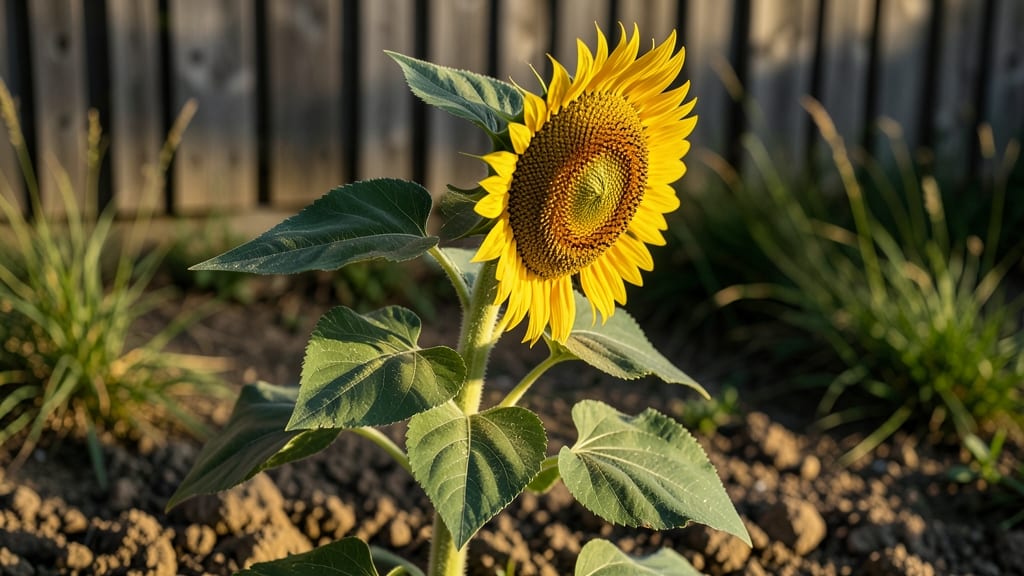
Sunflowers need 6 to 10 hours of full sun daily to grow their iconic towering stems and vibrant blooms 🌻 — but too much or too little can throw off their development.
Picture this: your sunflowers are stretching toward the sky like eager children, but their stems stay thin and leggy, or their petals turn crispy at the edges.
That’s the telltale sign of sunlight gone wrong. The perfect balance isn’t just about hours—it’s about intensity, timing, and even how your local climate plays a role.
Whether you’re in a sunny desert or a cloudy coastal zone, understanding how much light your sunflowers truly need is the key to avoiding stunted growth or sunburned leaves.
I’ll break down the ideal sunlight range, how to spot when they’re getting it right (or wrong), and practical tips to optimize their exposure—even if your garden isn’t basking in endless sunshine.
By the end, you’ll know exactly how to give your sunflowers the light they crave for stronger stems, bigger blooms, and that classic sunflower charm—no guesswork required.


Ideal sunlight requirements for sunflowers: hours and intensity breakdown
Sunflowers thrive under full sun, but their exact needs vary by variety and growth stage. Most sunflowers need 6 to 10 hours of direct sunlight daily to reach their full height and vibrant blooms.
Giant varieties like 'Mammoth' demand 8+ hours, while dwarf types like 'Teddy Bear' can tolerate 5-6 hours in hot climates. Understanding these differences ensures your sunflowers grow strong and healthy.
The intensity of sunlight matters just as much as the duration. Direct sunlight (where shadows are minimal) is ideal, but partial sun (3-6 hours of direct light) can work for shorter varieties if filtered through sheer fabric during peak afternoon heat.
Morning sun paired with afternoon shade is a great compromise for container-grown sunflowers in hotter regions.
Young seedlings, however, need gentler sunlight to prevent scorching. Start them in partial shade (3-4 hours of morning sun) for the first 2-3 weeks, then gradually increase exposure.
This hardening-off process helps them develop stronger stems before facing full sun. Skipping this step can lead to leggy, weak seedlings that struggle to support their weight later.
Seasonal adjustments are key to optimizing sunflower growth. In summer months, when sunlight is most intense, provide afternoon shade (especially for giant varieties) to prevent sunburn on petals. Use lightweight shade cloth (30-50%) or plant near taller crops like corn to create natural shade.
Conversely, in spring or fall, when days are shorter, supplement with reflective surfaces like white mulch or mirrors to bounce extra light onto your plants.
Measuring sunlight intensity isn't just about counting hours—it's also about shadow analysis. Use a simple test: Place a ruler in your garden at different times of day. If the shadow is shorter than the ruler's length for most of the day, you have direct sunlight.
If shadows are longer than the ruler or stretch across the plant, you're dealing with partial sun. This method helps you pinpoint the best spot for your sunflowers, whether in a backyard garden or urban container setup.
Mature sunflowers can handle intense midday sun, but their roots and stems need consistent moisture to thrive. During heatwaves, mulch around the base with straw or wood chips to retain soil moisture and regulate temperature.
This dual benefit—keeping roots cool and soil hydrated—helps sunflowers withstand even the hottest afternoons without wilting.
For container-grown sunflowers, sunlight needs are more critical due to limited root space. Place pots in south-facing locations where they receive uninterrupted sun from late morning to early evening. Rotate containers every few days to ensure even growth, as sunflowers will lean toward the light source.
Dwarf varieties in containers can tolerate 5-6 hours of morning sun if afternoon shade is provided, but giant varieties will bolt and flop without full sun exposure.
One common mistake is assuming all sunflowers need the same light conditions. Single-stem varieties (like 'ProCut') require more direct sunlight to produce sturdy stems for cutting, while branching types (like 'Autumn Beauty') can handle slightly less light but still need at least 6 hours daily to develop multiple blooms.
Always check the seed packet or plant tag for variety-specific recommendations to avoid disappointment.
If your sunflowers aren't getting enough sunlight, you'll notice tall, leggy stems with few blooms—a classic sign of light deficiency. Conversely, scorched petals or crisp edges indicate too much direct sun, especially in hot climates.
Adjusting sunlight exposure early can save your plants from these issues and ensure they reach their full potential—whether that's a towering 12-foot giant or a cheerful 2-foot dwarf.
Signs your sunflowers aren’t getting enough (or too much) sun
Sunflowers crave sunlight like we crave coffee—but unlike us, they can’t just move to a sunnier spot when things get dim. When they don’t get enough full sun, their stems stretch leggy and weak, reaching desperately for light.
This is called etiolation, and it’s a clear SOS from your plants. The leaves may also turn pale yellow or develop smaller blooms that never fully open, leaving you with sad, underwhelming flowers instead of the towering beauties you imagined.
On the flip side, too much sun can be just as harmful. Sunburned leaves appear as crispy, brown edges on petals or foliage, while excessive heat can cause flowers to wilt prematurely.
Even the soil can become too hot, stressing the roots and stunting growth. The key is finding that sweet spot—where your sunflowers get enough light to thrive without getting fried.
If your sunflowers are stretching upward like they’re reaching for the sky, it’s time to move them to a sunnier spot. Look for areas in your garden that get at least 6 hours of direct sunlight, preferably in the morning when the sun is gentler.
If you’re growing sunflowers in containers, place them on a south-facing patio or balcony where they can soak up those rays without competition from taller plants.
For sunflowers suffering from too much sun, provide afternoon shade using a lightweight shade cloth (30–50% coverage) or by planting them near taller companion plants like corn or beans. These plants can act as natural windbreaks and shade providers while also benefiting from the same sunny conditions.
Mulching around the base of your sunflowers with straw or wood chips can also help keep the soil cooler and retain moisture, reducing stress on the plants.
Another trick is to use reflective surfaces, like white gravel or a mirror, near your sunflowers to bounce extra light onto their leaves. This is especially helpful in shady gardens or during overcast days.
Just avoid placing reflective surfaces too close to the plants, as this can cause leaf burn in extreme cases. Instead, position them a few feet away to gently boost sunlight exposure without harming the plants.
Finally, pay attention to the time of day your sunflowers receive sunlight. Morning sun is ideal because it’s less intense and gives the plants time to acclimate to the heat. If you notice yellowing leaves or crispy edges by midday, it’s a sign they’re getting too much direct sun.
Adjust their position gradually to avoid shocking the plants, and always water them deeply in the morning to help them withstand the heat.