
Flowers
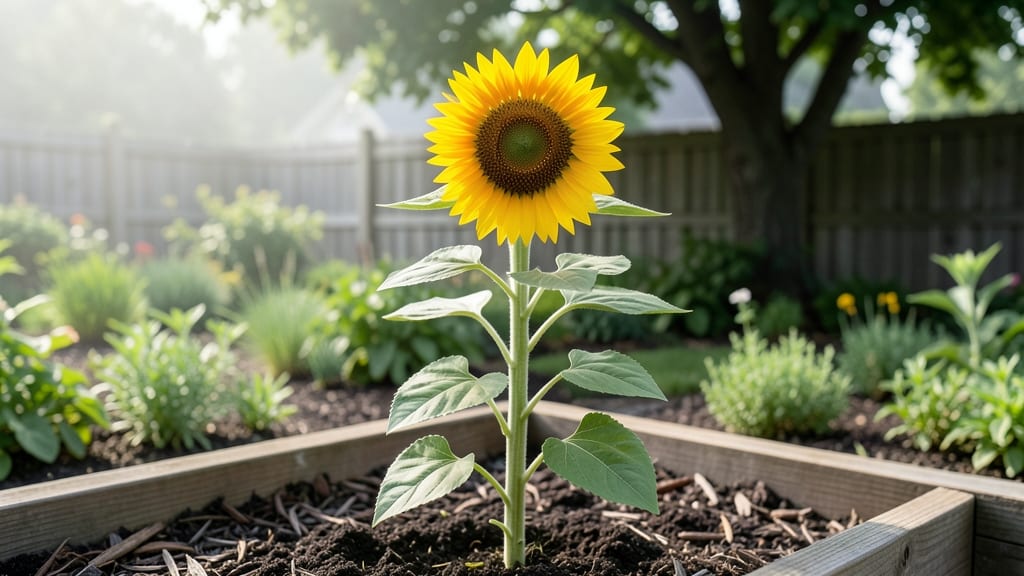
Dwarf sunflowers grow between 1 and 5 feet tall, making them the perfect choice for small gardens, balconies, or containers where space is limited.
If you’ve ever dreamed of growing sunflowers but worried about space constraints, dwarf varieties are the perfect solution—offering stunning blooms without the towering height. But how tall exactly can you expect them to grow?
The answer depends on the variety, and knowing these heights will help you plan your small-space garden like a pro.
These cheerful 🌻 plants thrive in USDA Zone 6a and beyond, with planting windows in April and May. Whether you’re growing them for ornamental appeal, pollinator support, or even edible seeds, their compact stature makes them incredibly versatile.
In this guide, I’ll break down the exact height ranges for popular dwarf varieties, share tips to maximize their growth, and compare them to standard sunflowers so you can choose the best fit for your garden.

Exact height ranges for popular dwarf sunflower varieties
Choosing dwarf sunflowers for your garden is a game-changer, especially when space is limited. These compact varieties pack all the charm of their towering cousins into much smaller packages—typically ranging from 12 inches to 4 feet tall. But not all dwarf sunflowers are created equal!
Some stay under 2 feet, making them ideal for containers, while others reach 4 feet, perfect for small garden borders. Knowing the exact height of each variety helps you plan your layout with precision.
For example, 'Teddy Bear' sunflowers max out at just 12–18 inches, while 'Moulin Rouge' can stretch to 36–48 inches. The difference between these heights can mean the world for your garden design, especially if you're working with tight spaces like balconies or window boxes.
Let’s break down the most popular dwarf varieties and their mature heights so you can pick the perfect fit for your space.
| Variety | Mature Height | Sunlight Needs | Best For | Bloom Color |
|---|---|---|---|---|
| Teddy Bear | 12–18" | Full sun (6+ hrs) | Containers, window boxes | Yellow |
| Moulin Rouge | 36–48" | Full sun (6+ hrs) | Small gardens, borders | Red |
| Little Becka | 24–36" | Full sun (6+ hrs) | Cut flowers, pollinators | Yellow |
| Autumn Beauty | 20–30" | Full sun (6+ hrs) | Cut arrangements, borders | Multi-color |
| Golden Giant (Dwarf) | 30–40" | Full sun (6+ hrs) | Pollinators, small gardens | Yellow |
| Penny | 12–18" | Full sun (6+ hrs) | Containers, children's gardens | Yellow |
| Sunspot | 24–36" | Full sun (6+ hrs) | Cut flowers, pollinators | Yellow |
| Lemon Queen | 20–28" | Full sun (6+ hrs) | Cut arrangements, containers | Lemon yellow |
If you're growing dwarf sunflowers in containers, prioritize varieties like 'Teddy Bear' or 'Penny', which stay under 18 inches. These are perfect for balconies or patios where space is at a premium.
For small garden beds, taller dwarf varieties like 'Moulin Rouge' or 'Golden Giant (Dwarf)' add height and drama without overwhelming your layout. Always check the specific variety’s height range—some can vary based on growing conditions like sunlight and soil quality.
Another key factor is sunlight exposure. All dwarf sunflowers thrive in full sun (6+ hours daily), but some varieties, like 'Autumn Beauty', produce more vibrant blooms when given extra sunlight.
If your space is partially shaded, opt for 'Little Becka' or 'Sunspot', which are more adaptable to 5–6 hours of sun. Just remember: even dwarf sunflowers will lean toward the light, so rotate containers or plant them in well-lit spots to keep stems straight.
For urban gardeners or those with limited space, dwarf sunflowers are a fantastic choice because they grow quickly—typically reaching 50% of their mature height in just 4–6 weeks. This means you can enjoy blooms in as little as 8–10 weeks from seed!
Pair shorter varieties like 'Lemon Queen' with taller ones like 'Moulin Rouge' to create a stunning vertical display without sacrificing space for other plants. Just ensure you leave 12–24 inches between plants to allow for airflow and prevent disease.
One common mistake is underestimating the root depth of dwarf sunflowers. Even compact varieties need 12–18 inches of soil depth to support their stems. In containers, use pots that are at least 12 inches deep and 12 inches wide to accommodate their roots.
If you’re planting in the ground, amend the soil with compost or organic matter to ensure it’s loose and well-draining. Poor soil can stunt growth, even in dwarf varieties.
Dwarf sunflowers also make excellent companion plants for smaller crops like
How to maximize growth in small spaces: tips for dwarf sunflowers
Dwarf sunflowers thrive in tight spaces, but reaching their full potential requires the right conditions. The key to maximizing their growth starts with soil preparation. These plants love well-draining, nutrient-rich soil with a pH between 6.0 and 7.0.
I always mix in compost or aged manure before planting to give them a nutrient boost from day one.
Another critical factor is sunlight exposure. Dwarf sunflowers need at least 6 to 8 hours of direct sunlight daily to grow strong and produce vibrant blooms.
If you're growing them in containers, place them in the sunniest spot on your balcony or patio, and rotate the pots every few days for even growth.
Here’s what you need to know about their mature heights and how to achieve them:
🌱 Key Takeaway: How Tall Do Dwarf Sunflowers Grow?
Proper spacing is another game-changer. Plant dwarf sunflowers 12 to 24 inches apart, depending on the variety. Overcrowding leads to competition for nutrients and sunlight, which can stunt growth.
If you're growing them in containers, use pots that are at least 12 inches deep and 10 inches wide per plant to give roots room to spread.
Watering plays a huge role too. While dwarf sunflowers are drought-tolerant once established, consistent moisture is crucial during their early growth stages. I water mine deeply every 3 to 5 days, ensuring the soil stays moist but not soggy.
Mulching around the base helps retain moisture and keeps roots cool, especially in hot climates.
One common mistake that stunts growth is over-fertilizing. Too much nitrogen can lead to lush foliage but fewer blooms. Instead, use a balanced fertilizer (10-10-10) every 4 to 6 weeks during the growing season.
Stop fertilizing in late summer to allow the plant to focus on producing seeds rather than new growth.
Finally, don’t forget about support. Some taller dwarf varieties may need light staking if they start to lean, especially in windy conditions. A simple bamboo stake or small cage can keep them upright and encourage stronger stems.
With these tips, your dwarf sunflowers will reach their full potential—no matter how small your space!