
How To
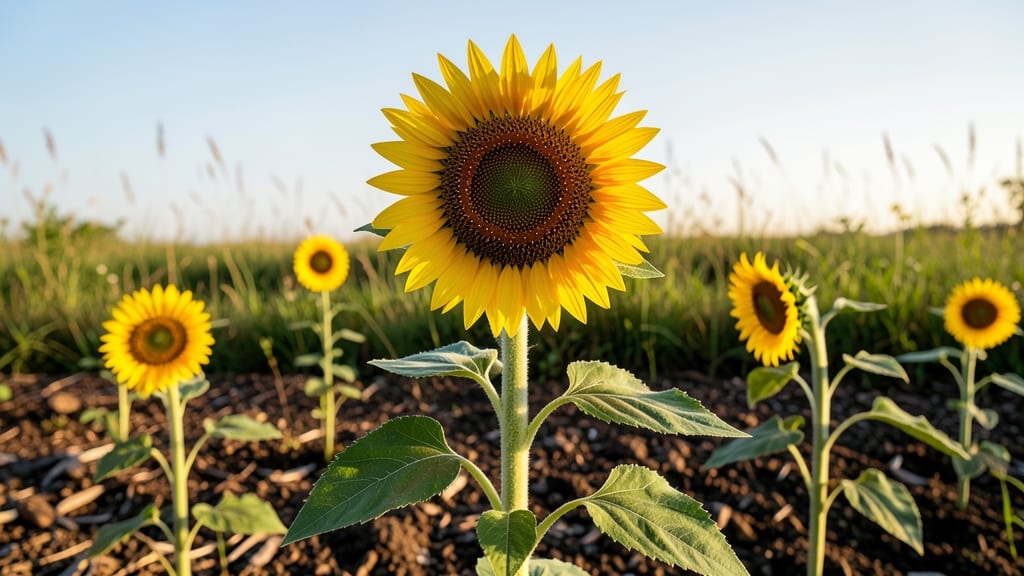
Sunflowers need 6 to 8 hours of direct sunlight daily to grow tall and vibrant 🌻, but many gardeners accidentally shortchange them—leading to weak stems and tiny blooms.
Picture this: your sunflower seedlings stretch toward the light like tiny sun-worshippers, only to flop over by midday. That’s not laziness—it’s a cry for more sunlight. Without enough, even the hardiest varieties won’t reach their full potential, leaving you with a shadow of the towering beauty you planted.
Here’s the good news: sunflowers are forgiving if you adjust their placement or supplement with shade cloth during extreme heat. Below, I’ll break down exactly how much light they need at each growth stage, plus pro tips to keep them thriving in your garden or container.
You’ll learn how to spot sunlight deficiency early, tweak your planting strategy for your climate zone, and even coax extra height from dwarf varieties with the right light balance.


Daily sunlight requirements for sunflowers by growth stage
Sunflowers are sun-worshippers by nature, and their light requirements shift dramatically as they grow. From delicate seedlings to towering giants, each stage demands precise sunlight exposure to fuel photosynthesis and stem strength.
Understanding these needs ensures your sunflowers reach their full potential—whether you're growing dwarf varieties for containers or giant cultivars for cut flowers.
In USDA Zones 3-10, sunflowers thrive with full sun exposure, but the exact hours vary by growth phase. Southern climates (like Texas) may need afternoon shade to prevent wilting, while northern gardens (like Minnesota) can push sunflowers to their limits with 24-hour daylight in summer.
The key? Balancing direct sunlight with heat tolerance to avoid stress.
🌱 Seedling Stage (0-2 weeks): Newly sprouted sunflowers need 4-6 hours of indirect light daily to prevent etiolation (those leggy, weak stems). This is the most critical phase—too little light here means future struggles. I start my seedlings near a south-facing window or under grow lights for 12-14 hours/day until they’re ready for transplanting.
🌿 Vegetative Growth (2-6 weeks): Once seedlings have 2-4 true leaves, they can handle 6-8 hours of direct sun. This phase is where their stem strength develops—critical for supporting those heavy flower heads later. If your garden gets partial shade (like under fruit trees), rotate pots weekly to ensure even growth.
| Growth Stage | Sunlight Needs | Daily Hours | Climate Adjustments |
|---|---|---|---|
| Seedling (0-2 weeks) | Indirect light | 4-6 hours | Use shade cloth (30-50%) in hot zones |
| Vegetative (2-6 weeks) | Direct sun | 6-8 hours | Rotate plants weekly for even growth |
| Flowering (6-10 weeks) | Full sun | 8-12 hours | Afternoon shade in Zone 9+ |
| Maturity (10+ weeks) | Full sun | 6-8+ hours | Mulch to retain moisture |
During the flowering stage (6-10 weeks), sunflowers demand 8-12 hours of direct sunlight to produce those iconic blooms. This is when photosynthesis peaks, and the plant shifts energy from leaf growth to flower development.
In arid climates (like Arizona), I’ve seen sunflowers wilt by midday—so I water deeply at dawn and provide drip irrigation to keep roots cool.
For maturity (10+ weeks), sunflowers need 6-8+ hours of sunlight to maintain their structure. Even after blooming, they continue photosynthesizing to support seed development. I’ve grown ‘Mammoth’ sunflowers in Zone 5 that topped 12 feet—proof that with enough sun, these plants don’t quit!
However, overheating can stress them, so I always mulch with straw to regulate soil temperature.
Seasonal variations matter too. In spring, longer daylight hours mean sunflowers can soak up 14+ hours of light—ideal for rapid growth. But by late summer, shorter days may slow flowering.
If you’re in Zone 7 or warmer, consider succession planting every 2 weeks to extend your harvest window.
One common mistake? Assuming more sun is always better. In Zone 10, where I garden, afternoon shade is a lifesaver—it prevents heat stress while still providing 6-8 hours of morning sun.
Test your garden’s sun exposure with a sun gauge (or a white plate left in the sun for an hour) to map out the brightest spots.
For container growers, place sunflowers in south-facing pots and rotate them daily to ensure even sunlight distribution. Dwarf varieties like ‘Teddy Bear’ tolerate partial shade (4-6 hours of sun), but they’ll still produce smaller blooms.
If your balcony only gets morning sun, supplement with a LED grow light for 2-3 hours in the evening.
Remember: Sunflowers are resilient, but they won’t forgive chronic neglect. If you notice pale leaves or stunted growth, it’s a sign they’re not getting enough light—or too much heat.
Adjust their position, add shade cloth, or move them to a sunnier spot. With the right sunlight strategy, you’ll be harvesting vibrant, towering sunflowers in no time. 🌻
Signs your sunflowers aren’t getting enough sun (and how to fix it)
Sunflowers may love the sun, but they’re not immune to its absence. When your sunflowers aren’t basking in enough sunlight, their growth tells a clear story—often through pale stems, small blooms, or leggy stems that stretch desperately toward any available light.
These visual cues are your garden’s way of saying, "I need more sun!" Let’s decode these signs and turn them into actionable fixes.
First, observe your plants’ foliage color. Healthy sunflowers boast deep green leaves, but yellowing or pale leaves are a red flag. This discoloration happens when chlorophyll can’t produce enough energy due to insufficient sunlight.
Even worse, if you notice tiny buds that never fully open, your sunflowers are struggling to reach their full potential. These are classic signs your plants are starving for light.
⚠️ callout warning
Sunflowers thrive in 6-8+ hours of direct sunlight daily. Without this, they’ll grow leggy, weak-stemmed, and underdeveloped. Even 4-5 hours can stunt blooms, while less than 3 hours risks poor survival. Adjust placement or supplement with grow lights if natural light is lacking.
If your sunflowers are already showing signs of light deficiency, don’t panic—there are quick fixes. Start by relocating plants to a sunnier spot in your garden. Early morning or late afternoon sun counts, but midday sunlight is ideal.
If shade is unavoidable, consider pruning nearby trees or removing obstructive plants to free up space for sunlight.
For container-grown sunflowers, rotate pots every few days to ensure all sides receive equal light exposure. This prevents uneven growth and helps stems stay sturdy. If natural light is truly insufficient, grow lights can be a game-changer.
Place them 6-12 inches above your plants and provide 12-16 hours of light daily to mimic summer conditions.
Another trick is to thin out crowded plants. Overcrowding forces sunflowers to compete for sunlight, weakening their structure. Aim for 12-24 inches of space between each plant, depending on the variety. This spacing allows air circulation and ensures every plant gets its fair share of sunlight and nutrients.
Finally, monitor your soil and watering habits. Sunflowers need well-draining soil to thrive, and poor soil health can mask sunlight deficiencies. Amend your soil with compost or organic matter to boost nutrient uptake, and water deeply in the morning to encourage strong root development.
With these adjustments, your sunflowers will soon be reaching for the sky—literally!