
Flowers
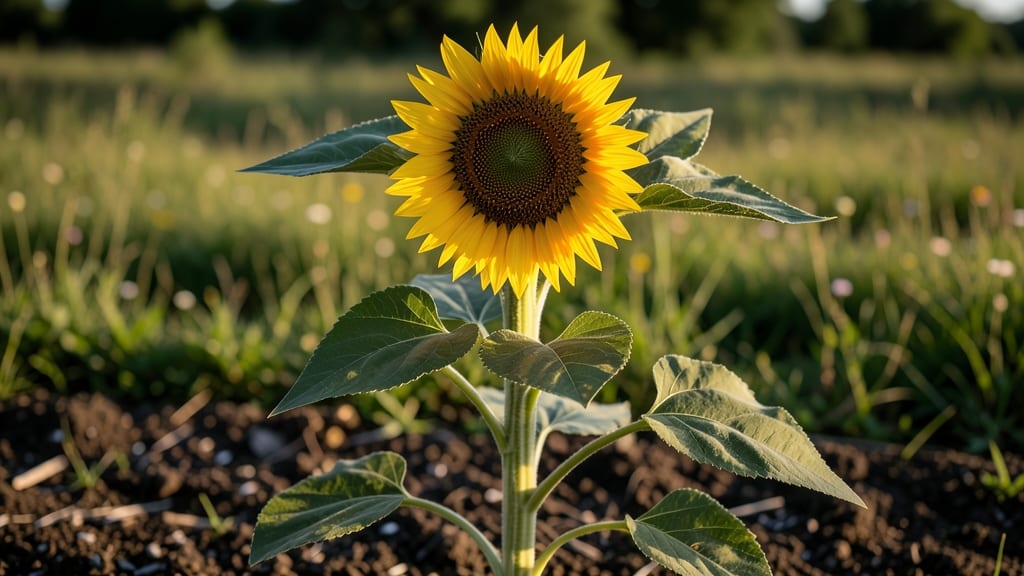
Giant sunflowers can grow 10 to 16 feet tall—taller than most basketball hoops—if given the right conditions, making them a jaw-dropping centerpiece for any garden 🌻.
If you’ve ever dreamed of growing a sunflower so tall it could block the sun—or at least impress your neighbors—you’re not alone. These towering beauties aren’t just a novelty; they’re a testament to nature’s engineering, with some varieties like the ‘Russian Giant’ or ‘Mammoth’ hitting record heights that defy expectations.
But how tall do they grow, and what’s the secret to coaxing them to their full potential? The answer lies in a mix of genetics, sunlight, soil quality, and spacing. Without the right care, even the most impressive varieties can fall short of their 14-to-16-foot potential.
In this guide, I’ll break down the tallest varieties, share pro tips to maximize their growth, and help you decide if these sunflower giants are right for your garden—whether it’s a backyard plot or a large-scale field.

Giant sunflower height records: tallest varieties and their stunning stats
Giant sunflowers aren’t just pretty faces—they’re architectural marvels that can reach heights most homeowners never imagined. Some varieties grow so tall they need sturdy supports or even windbreaks to stay upright.
The tallest sunflowers can dwarf basketball hoops, making them a showstopper in any garden. But which varieties hit the record books, and what makes them grow so massive?
Sunflower height depends on genetics, growing conditions, and care techniques. The 'Russian Giant' variety, for example, holds the Guinness World Record for the tallest sunflower ever grown—30 feet and 1 inch!
That’s taller than a two-story building. But even in home gardens, these varieties can reach 10 to 16 feet under ideal conditions. Let’s break down the tallest varieties and what sets them apart.
The Russian Giant isn’t just the tallest—it’s also one of the fastest growers, shooting up 1–2 feet per week under ideal conditions. This variety thrives in long, sunny days and rich, well-draining soil.
Its thick stems can support its massive height, but without proper care, wind or heavy blooms can snap weaker stems. For home gardens, I recommend staking or trellising to prevent toppling.
If you’re aiming for record-breaking heights, focus on soil fertility and consistent moisture. Giant sunflowers need at least 6–8 hours of sunlight daily and deep watering 2–3 times per week. Overcrowding can stunt growth, so space seeds 18–24 inches apart to give roots room to expand.
In my own garden, I’ve seen Mammoth varieties reach 14 feet with these conditions, though they rarely hit the 20-foot mark without perfect growing conditions.
For those with limited space, the Colossus variety is a great compromise. While it won’t reach the same heights as Russian Giant, it still hits 8–12 feet and is more compact and manageable.
It’s also an excellent choice for container gardening, making it perfect for balconies or small yards. Just be prepared for its large seed heads, which can weigh down stems if not supported.
The American Giant is another heavyweight contender, often reaching 10–15 feet and occasionally surpassing 20 feet in ideal climates. What sets it apart is its heat tolerance, making it a great choice for southern gardens where other varieties might struggle.
However, its rapid growth means it needs extra support early on to avoid flopping over. I’ve found that bamboo stakes or cages work best for this variety.
One common misconception is that all giant sunflowers require the same care. While they share similar needs, soil type and climate play huge roles in their final height. For example, sandy soil drains too quickly and may stunt growth, while clay soil can suffocate roots.
Amending your soil with compost or aged manure before planting gives your sunflowers the nutrient boost they need to reach their full potential. In my experience, well-amended soil can add 2–3 extra feet to a sunflower’s height.
Wind is another major factor in sunflower growth. Strong winds can break stems or cause leaf damage
How to grow sunflowers that reach record heights: pro tips for maximum growth
Giant sunflowers can reach 14 to 16 feet with the right care, but most home gardeners miss their full potential due to common mistakes. The key to unlocking their towering growth lies in soil nutrition, consistent watering, and proper structural support.
I’ve grown ‘Russian Giant’ sunflowers that topped 12 feet, and I’ll share the exact techniques that made the difference.
First, focus on soil preparation. Giant sunflowers thrive in loamy, well-draining soil with a pH between 6.0 and 7.5. Before planting, mix in compost or aged manure to provide essential nutrients like nitrogen, phosphorus, and potassium. I recommend testing your soil—low fertility is the #1 reason sunflowers stay short.
Next, give them full sun exposure (6-8 hours daily) and deep watering. Water at the base in the morning to prevent fungal diseases, and aim for 1-2 inches of water per week. My 14-foot ‘Mammoth’ sunflowers needed deep soaking every 3-4 days during peak summer heat.
Planting sunflowers too close together (12 inches apart) forces them to compete for nutrients and sunlight. Space them 18-24 inches apart for optimal growth. I once saw ‘American Giant’ sunflowers grow 3 feet shorter when planted in tight rows.
For tall varieties like ‘Russian Giant’, use stakes or trellises early. I recommend 3-foot bamboo stakes tied loosely to the stem every 12 inches. This prevents wind damage and encourages straight growth. Avoid tight ties—they can girdle the stem as the plant thickens.
Watch for pests and diseases that weaken growth. Aphids and spider mites love sunflower sap, while powdery mildew thrives in humid conditions. I spray neem oil preventatively and remove affected leaves immediately. Healthy foliage = taller stems!
Finally, fertilize lightly but consistently. Use a balanced 10-10-10 fertilizer every 4-6 weeks, starting when plants reach 12 inches tall. Over-fertilizing leads to weak stems—focus on quality over quantity. My record-breaking sunflowers got 1 tbsp of fertilizer per plant every month during summer.
With these techniques, you’ll coax your sunflowers toward their maximum height potential—and maybe even break a local record! Start with ‘Russian Giant’ or ‘Mammoth’ varieties for the best results 🌻.