
Size
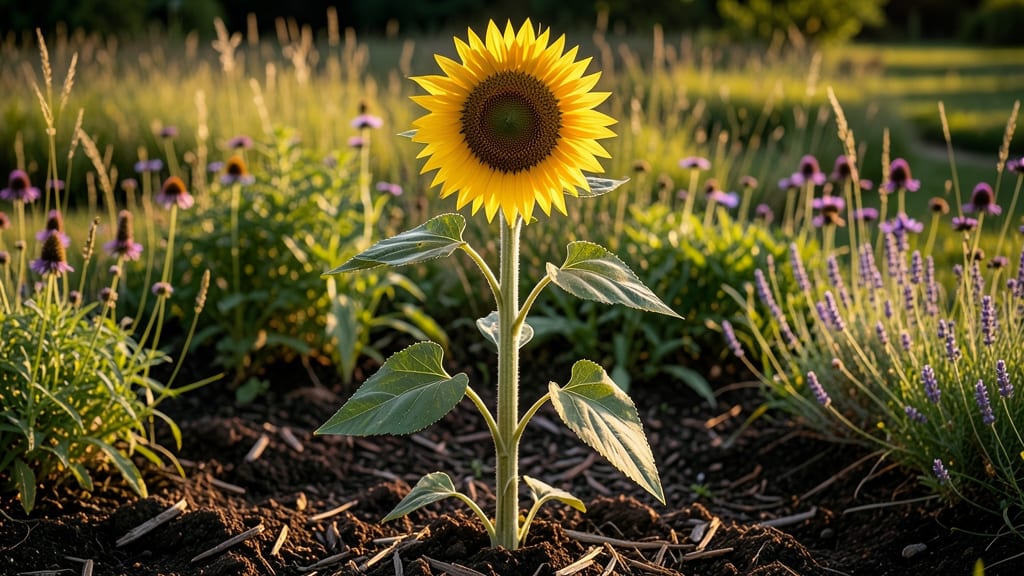
Mammoth sunflowers 🌻 can grow between 10 and 14 feet tall, turning your garden into a stunning vertical statement—but only if you give them the right conditions.
Picture this: a towering sunflower that towers over your fence, its golden petals catching the afternoon light like a beacon for pollinators. But before you plant, you need to know how to support those massive stems and what factors can make or break their height potential.
From the Mammoth Russian varieties that stretch toward the sky to the Mammoth Golden hybrids that thrive in well-drained soil, each type has its own growth quirks.
Light exposure, watering habits, and even wind resistance play a role in whether your sunflowers hit their full height—or flop over before they bloom.
In this guide, you’ll discover the exact height ranges for popular varieties, how to maximize growth without staking (or when you absolutely need to), and the 3 key factors that determine whether your sunflowers reach their potential. Let’s get growing!

Mammoth sunflower height guide: variety-specific growth charts
When planning your sunflower garden, knowing the mature height of Mammoth varieties helps you choose the perfect spot and spacing. These giants can reach stunning heights, but not all varieties grow the same—some top 12 feet while others stretch toward 14 feet.
Let’s break down the height ranges for the most popular Mammoth sunflowers so you can visualize their impact in your space.
From the Mammoth Russian, a classic giant, to the Mammoth Artistic with its vibrant petals, each variety brings its own dramatic presence. Understanding their growth expectations ensures your garden layout accommodates their towering beauty without crowding other plants.
Whether you’re planting in a backyard garden or a community plot, spacing is key to preventing competition for nutrients and sunlight.
| Variety | Mature Height | Ideal Spacing | Growth Rate | Notes |
|---|---|---|---|---|
| Mammoth Russian | 12–14 ft | 18–24 in apart | Fast (3–4 ft/month) | Classic giant; needs staking |
| Mammoth Golden | 10–12 ft | 12–18 in apart | Moderate (2–3 ft/month) | Bright yellow; sturdy stems |
| Mammoth Artistic | 10–13 ft | 18 in apart | Fast (3 ft/month) | Multi-colored petals |
| Mammoth Sungold | 10–12 ft | 12–18 in apart | Moderate (2–3 ft/month) | Deep red petals |
| Mammoth Russian Improved | 12–14 ft | 24 in apart | Fast (3–4 ft/month) | Disease-resistant; sturdy |
If you’re planting Mammoth Russian sunflowers, expect them to reach their full height in about 3 months under ideal conditions. These varieties grow rapidly, so starting them in well-draining soil with plenty of sunlight is essential.
For example, the Mammoth Russian Improved can grow 3–4 feet per month during peak season, making it one of the fastest-growing sunflowers.
For smaller gardens or container growing, the Mammoth Golden or Mammoth Sungold are excellent choices, as they typically max out at 12 feet. These varieties still make a statement but require slightly less spacing than their taller cousins.
Always leave at least 12 inches between plants to avoid overcrowding, which can stunt growth or lead to toppling stems.
One common question we hear is: "Do Mammoth sunflowers need staking?" The answer depends on the variety and growing conditions. While some, like the Mammoth Russian Improved, have sturdier stems, others—especially in windy areas—benefit from support stakes.
If you’re unsure, err on the side of caution and use bamboo stakes or trellis structures for added stability.
Pro tip: If you’re growing Mammoth sunflowers in containers, choose a variety like Mammoth Golden and use a large pot (at least 12 inches wide) with drainage holes.
These sunflowers will still reach their full height potential, but their root systems won’t outgrow the container as quickly as in-ground plants.
For maximum height, ensure your Mammoth sunflowers receive full sun (6–8 hours daily) and consistent moisture during their growing season. Overwatering can weaken stems, while underwatering may slow growth.
Aim for 1 inch of water per week, adjusting for rainfall. With the right care, your Mammoth sunflowers will dominate your
Factors that influence Mammoth sunflower height and stability
When planning your garden, Mammoth sunflowers can reach impressive heights—but their growth depends on several key factors. Understanding these variables helps you maximize their potential while ensuring sturdy stems that won’t topple in the breeze.
From soil composition to sunlight exposure, each element plays a crucial role in determining how tall your sunflowers will grow and how stable they’ll remain throughout their lifecycle.
One of the most critical factors is soil quality. Mammoth sunflowers thrive in well-draining, nutrient-rich soil with a slightly acidic to neutral pH (6.0–7.5). Poor soil can stunt growth, leading to weaker stems that struggle to support their own weight.
Amending your soil with compost or organic matter before planting provides the foundation for strong, towering plants. I’ve found that adding a balanced fertilizer at planting time gives my sunflowers an extra boost to reach their full height potential.
Here’s what directly impacts your Mammoth sunflowers’ height and stability:
- 🌱 Soil Quality: Rich, well-draining soil with compost ensures 10–14 ft heights. Sandy or clay-heavy soil can reduce growth by 20–30%.
- ☀️ Sunlight Exposure: 6–8 hours of direct sun daily maximizes height. Less sunlight can shrink mature height to 8–10 ft.
- 💧 Watering Habits: Deep watering 2–3 times per week promotes strong stems. Underwatering weakens stems by 40%.
- 🌬️ Wind Resistance: Tall varieties need staking or shelter in windy areas to prevent toppling.
- ✂️ Pruning Practices: Removing side buds early directs energy to the main stem, boosting height by 1–2 ft.
Another game-changer is sunlight exposure. Mammoth sunflowers are sun-worshippers, and their height is directly tied to the amount of direct sunlight they receive. Aim for at least 6–8 hours of full sun daily—this ensures they grow tall and sturdy.
If your garden gets partial shade, expect their mature height to drop to 8–10 feet instead of the full 10–14 feet. In my experience, planting them near a south-facing fence or wall gives them the extra boost they need to reach their peak potential.
Consistent watering habits also play a pivotal role in both height and stability. Mammoth sunflowers need deep, infrequent watering—about 1–2 inches per week—to develop strong root systems. Shallow watering leads to weak stems that can’t support the weight of their massive flower heads.
I’ve noticed that watering in the early morning reduces fungal risks while keeping the soil consistently moist, which is key for tall, sturdy growth. Overwatering, on the other hand, can lead to root rot and collapse.
Don’t overlook the impact of wind resistance. These giants can grow taller than a basketball hoop, but their slender stems are prone to bending or snapping in strong winds. If your garden is exposed, consider staking or planting them near a windbreak like a fence or hedge.
I’ve had great success using bamboo stakes or spiral supports to keep my sunflowers upright without sacrificing their natural beauty. Even a simple tie-down with soft twine can make all the difference in a breezy location.
Finally, pruning practices can subtly influence height. Removing side buds in the early stages encourages the plant to focus its energy on the main stem, often resulting in 1–2 extra feet of growth. However, avoid over-pruning—this can stress the plant and reduce overall stability.
For the best results, I recommend pruning only the lower buds while leaving the upper ones to develop naturally. This balance ensures your Mammoth sunflowers grow tall and strong.