
Flowers
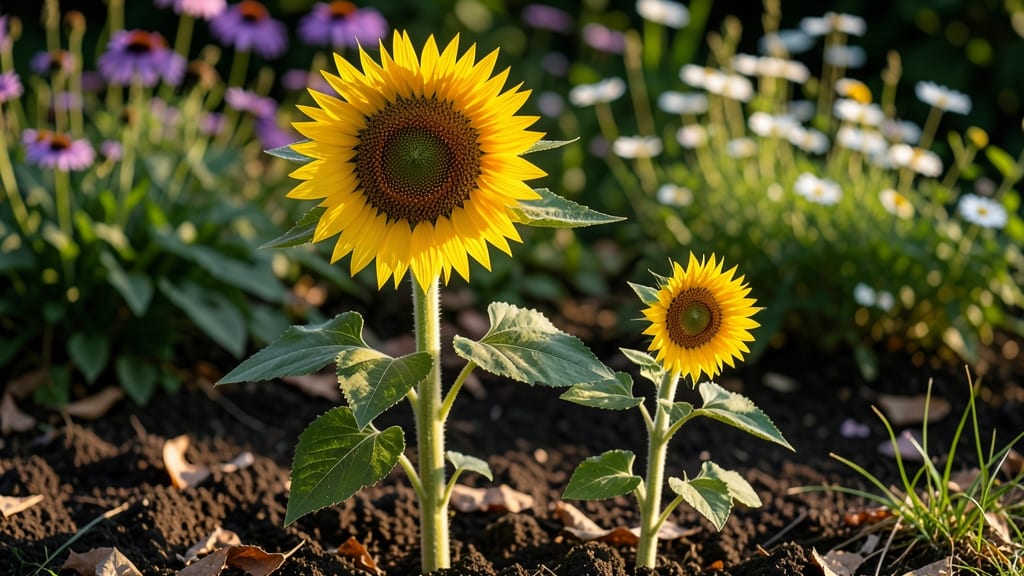
Sunflowers grow anywhere from 1 foot to towering 15 feet tall, depending on the variety you choose—so picking the right one for your space is the first step to a stunning garden.
Imagine this: you’ve spent weeks watching those 🌻 seedlings sprout, only to realize they’ll soon outgrow your patio or block your neighbor’s view. The good news? With the right variety, you can have sunflowers that fit snugly in containers or reach sky-high for dramatic impact.
From dwarf varieties perfect for balconies to giants that dwarf two-story houses, the height of your sunflowers depends on genetics, sunlight, and soil. But don’t worry—we’ll break down exactly how tall each type grows and how to plan your garden around them.
Ready to turn your yard into a sunflower paradise? You’ll learn which varieties stay short, which shoot up like skyscrapers, and how to give them the care they need to reach their full potential—without taking over your space.

Sunflower height ranges by variety: from dwarf to giant
Choosing the right sunflower variety for your space starts with understanding their height potential. Some varieties stay compact at just 1-3 feet, while others can reach 15 feet or taller, creating dramatic focal points.
Your garden’s layout and sunlight exposure will determine which types thrive best in your yard.
The genetics of each variety dictate mature height, but factors like soil quality, water availability, and sunlight exposure can influence growth by up to 20% in extreme cases.
For example, a giant sunflower might only reach 10 feet in partial shade instead of its full 15+ foot potential.
Below, I’ve organized popular sunflower varieties by height category to help you visualize their mature sizes and select the best fit for your garden. Whether you’re working with a small balcony or a spacious backyard, there’s a sunflower variety that will shine.
🌻 Pro Tip: Always check seed packets for mature height estimates—some "dwarf" varieties can surprise you with unexpected growth spurts, especially in ideal conditions.
If you’re growing sunflowers for cut flowers, semi-dwarf varieties like 'Autumn Beauty' (4–5 feet) strike the perfect balance between height and manageability. Their sturdy stems hold up well in vases while staying short enough to avoid toppling in windy conditions.
For small-space gardening, dwarf varieties like 'Teddy Bear' (1–2 feet) are ideal. These compact powerhouses produce bright, cheerful blooms without overwhelming your patio or balcony. They’re also perfect for container gardening with just 5-gallon pots.
Giant sunflowers like 'Mammoth Russian' (10–15 feet) require ample space and sturdy support. Plant them near fences or trellises to prevent them from flopping over in storms. Their massive blooms can reach 16 inches in diameter, making them a conversation piece in any garden.
Remember, soil fertility plays a huge role in height. Amend your soil with compost or balanced fertilizer (10-10-10) to encourage strong stems and optimal growth. Over-fertilizing can lead to weak, leggy stems, so follow package instructions closely.
Whether you’re aiming for a whimsical cottage garden or a stately backyard statement, sunflowers offer endless height possibilities. Start with a variety that matches your space, then experiment with different types as your confidence grows!
🌱
How sunflower height affects your garden layout and care
Your sunflower’s height isn’t just about aesthetics—it determines your entire garden plan. A 12-foot giant needs different care and placement than a 2-foot dwarf. Tall varieties require strategic spacing to avoid shading smaller plants, while compact types thrive in containers or tight spaces.
Let’s break down how height impacts your layout and what you can do to maximize space and stability.
First, consider sunlight exposure. Taller sunflowers (8+ feet) need full sun to support their weight and reach their full potential. Place them where they won’t cast long shadows over vegetables or perennials.
For example, position giant varieties on the north side of your garden to avoid blocking sunlight for shorter plants. Dwarf sunflowers, however, can handle partial shade, making them ideal for borders or under taller trees.
Spacing is another critical factor. A 10-foot sunflower needs at least 2 feet of space around it to prevent competition for nutrients and water. In contrast, dwarf varieties can be planted just 12 inches apart.
Crowding tall sunflowers leads to weak stems and increased disease risk. Use a simple rule: multiply the mature height by 0.2 to determine minimum spacing in feet.
For tall varieties, staking is non-negotiable. Use 3-foot bamboo stakes driven deep into the soil and tie stems loosely with soft fabric or old pantyhose. Avoid wire ties, which can damage stems as they thicken.
In windy areas, consider multiple stakes or a small cage for extra support. Even semi-dwarf varieties benefit from staking if planted in exposed locations.
Wind resistance is a major concern for sunflowers over 6 feet tall. Their heavy flower heads act like sails, making them prone to snapping. Plant tall varieties in sheltered spots or use windbreaks like tall grasses or privacy screens.
If you live in a breezy climate, choose shorter varieties or opt for multi-stemmed types like ‘Moulin Rouge,’ which distribute weight more evenly.
Small gardens? No problem! Use containers and dwarf varieties to maximize vertical space. A 5-gallon pot can comfortably hold a 3-foot dwarf sunflower, while trellises let you grow taller types upward instead of outward.
For example, ‘Teddy Bear’ sunflowers stay under 3 feet but produce 12-inch blooms, perfect for patio displays. Pair them with trailing plants like nasturtiums to create a stunning vertical garden.
Finally, remember that soil fertility directly impacts height. Rich, well-draining soil helps sunflowers reach their genetic potential, while poor soil stunts growth. Amend your soil with compost before planting, and fertilize with a balanced 10-10-10 mix every 4–6 weeks during the growing season.
Over-fertilizing can lead to weak stems, so follow the rule: less is more for tall varieties.