
Blooming
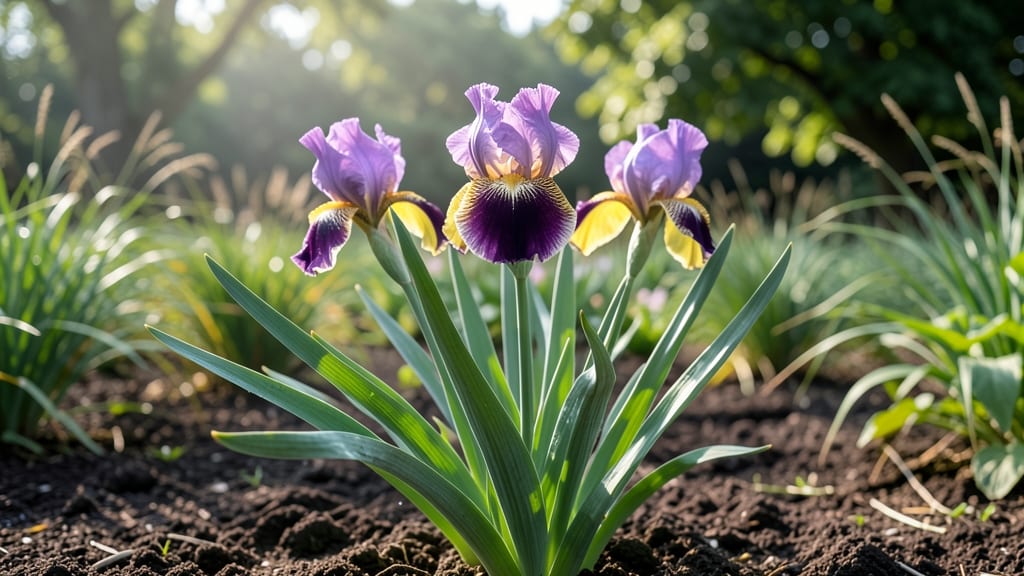
The iris flower season in Zone 6 transforms your garden into a riot of color, but timing is everything for those showstopping blooms.
If you’ve ever wondered why your irises bloom at different times—or why some varieties never seem to flower—timing is everything. The secret to stunning iris displays lies in understanding their seasonal cycles by hardiness zone and vibrant color families.
Spring-blooming irises typically burst into color from late April through June, but cooler zones like 6a may see flowers as early as March. Meanwhile, Louisiana irises defy the norm, blooming in late summer to fall, adding a second wave of drama.
Below, I’ll break down how to align your care with their natural rhythm—from dividing rhizomes in summer to fertilizing at the right time—so you can enjoy longer, more abundant blooms every season.
Iris bloom times by USDA hardiness zones: when to expect flowers
Timing is everything when it comes to iris blooms, and your USDA hardiness zone plays a starring role. Whether you're growing bearded irises, Siberian irises, or Japanese irises, each variety has its own ideal window for showing off those dramatic blooms.
In colder zones like 3-5, expect flowers to arrive later in spring, while warmer zones 8-9 may see early blooms stretching into summer. Understanding these patterns helps you plan your garden layout and care schedule for maximum impact.
Climate also shifts bloom timing significantly. A mild winter in zone 7 might push bearded irises to bloom as early as late February, while a harsh winter in zone 5 could delay them until mid-April.
Even within the same zone, microclimates—like a sunny south-facing slope versus a shaded north side—can create 2-3 week differences in bloom windows. This variability explains why some gardeners see their irises flower in early spring while others enjoy late spring displays.
Here’s how to predict when your irises will bloom based on your zone and variety:
In zones 3-4, where winters are long and harsh, bearded irises often wait until mid-April to bloom, giving them time to recover from dormancy.
These zones also see Siberian irises flowering later, in late May to June, when soil temperatures rise. Japanese irises, which thrive in moist conditions, typically bloom in June to July, aligning with the start of the rainy season in many northern climates.
Gardeners in zones 5-6 enjoy the most predictable iris blooms, with bearded irises lighting up gardens from late March to April.
This window makes them perfect for early spring color before summer annuals take over. Siberian irises follow in early May to June, while Japanese irises provide a late-spring show in May to June.
The cooler nights in these zones help extend bloom duration, often by 2-3 weeks compared to warmer climates.
Warmer zones like 7-8 experience a shift toward earlier blooming, with bearded irises often appearing as early as February.
This shift can be problematic for gardeners who rely on irises to signal the end of winter. Siberian irises in these zones bloom in April to May, while Japanese irises align closely with them. The key advantage in these zones?
Some varieties may rebloom in fall, creating a second show if given proper care.
In zone 9, the mild climate allows bearded irises to bloom as early as January, though this can vary based on rainfall. Siberian and Japanese irises also shift to March to April blooms, often overlapping with spring bulbs like daffodils and tulips.
The extended growing season in these zones means some gardeners can push their irises to rebloom in late summer or fall with careful watering and fertilization.
To maximize your iris blooms, pay attention to local frost dates and adjust planting times accordingly. In colder zones, plant bearded irises in early fall to establish roots before winter, while warmer zones benefit from spring planting.
Always plant rhizomes with the top third exposed and ensure they receive 6+ hours of sunlight daily—this consistency is key to reliable bloom timing every year.
Best iris colors for seasonal garden displays: timing by variety
Creating a year-round iris display is all about color timing. Different iris varieties bloom at distinct times, offering a colorful progression from early spring through late summer. By selecting the right color families and understanding their peak seasons, you can design a garden that stays vibrant and dynamic.
For example, purple irises often kick off the season in early spring, while yellow varieties may bloom later, extending your display well into summer.
Layering iris colors isn't just about aesthetics—it's a strategic way to ensure continuous blooms. Start with early-season varieties like Siberian irises, which often flower in late spring, then transition to bearded irises that peak in mid-to-late spring.
For a prolonged show, add Louisiana irises, which bloom in late spring to early summer and thrive in warmer climates. This approach keeps your garden lively from March through July.
- 1 Purple Irises (e.g., 'Blue Flag', 'Katherine Hodgkin') bloom March-April in most zones, offering deep violet and lavender hues. These early-season stars pair beautifully with white tulips for a classic spring look.
- 2 Yellow Irises (e.g., 'Golden Harvest', 'Harry Miller') shine in April-May, adding bright sunshine to your garden. Their late-spring timing bridges the gap between purple and blue varieties, creating a seamless transition.
- 3 White Irises (e.g., 'White Swan', 'Mary Todd') often bloom in May-June, offering elegant contrast against darker foliage. Their mid-to-late season appearance adds sophistication to summer borders.
- 4 Blue Irises (e.g., 'Blue Boy', 'Professor Blaauw') peak in May-June, though some Siberian varieties may extend blooms into early July. Their cool-toned elegance complements purple clematis or lavender for a cohesive look.
- 5 Louisiana Irises (e.g., 'George Halsted', 'Rose of Sharon') bloom June-August in warmer zones (7-10), offering rich burgundy and deep magenta tones. These heat-loving varieties extend your season into summer when other irises fade.
To maximize your iris display, group varieties by bloom time and color harmony. For instance, pair early purple irises with white tulips for a soft spring palette, then transition to yellow and blue irises as the season progresses.
In warmer climates, Louisiana irises can be planted near daylilies or canna lilies to create a bold summer statement.
Don't forget to consider reblooming varieties, like some bearded irises that produce a second flush of blooms in late summer with proper care. Deadhead spent blooms and fertilize lightly in early spring to encourage longer bloom periods.
With the right combination, your iris garden can remain a seasonal highlight from March through August.
Pro tip: Use mulch to regulate soil temperature and moisture, which helps extend bloom duration in both cool and warm seasons. A 3-inch layer of organic mulch around your iris clumps keeps roots cool in summer and insulated in winter, promoting healthier growth and more abundant flowers.
🌷