
Blooming
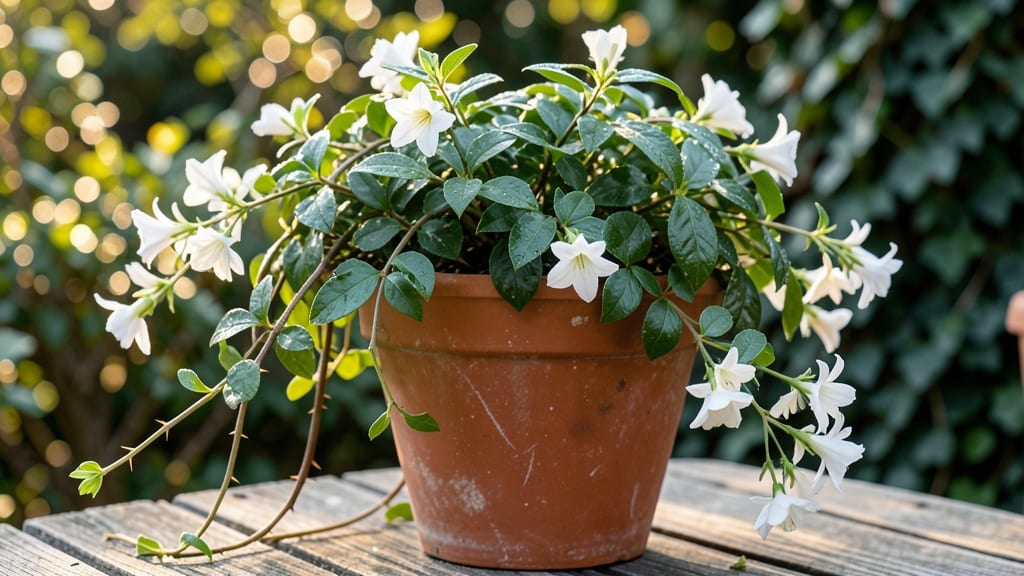
Jasmine flowers bloom in a fragrant symphony that transforms any garden into a sensory escape—but when they appear depends on the variety and your climate.
Picture this: a warm evening breeze carrying the intoxicating scent of 🌸 jasmine, signaling that your meticulously cared-for plant has finally rewarded you with its signature blooms. Yet, missing that window can leave you waiting months longer than necessary.
The key lies in understanding the unique bloom cycles of each jasmine type and how your local conditions influence timing.
From winter jasmine’s early bursts of pale yellow to summer jasmine’s lush clusters of white, each variety has its own schedule. Coastal gardens may see blooms weeks earlier than inland areas, while pruning at the right time can coax flowers to appear weeks sooner.
Even soil moisture and sunlight play a role in whether your jasmine will hit its peak fragrance season.
In this guide, I’ll break down the exact bloom windows for popular varieties, climate-based adjustments, and the simple care tricks to ensure your jasmine doesn’t just bloom—it thrives. Let’s make sure your garden smells like summer all season long.
When do jasmine flowers bloom by variety? Seasonal timing guide
The jasmine plant family boasts over 200 varieties, each with its own bloom timeline. Whether you're growing Arabian jasmine for its intense fragrance or Winter jasmine for early color, understanding their seasonal patterns helps you plan trellises, pruning, and fragrance displays.
Most jasmine varieties bloom in late spring to summer, but some defy expectations with winter blooms or year-round fragrance.
Climate plays a huge role—coastal regions may see blooms 2-3 weeks earlier than inland areas, while USDA Zone 8+ gardens often enjoy extended bloom seasons. Even within the same variety, first-year plants may bloom sparingly compared to mature vines.
Let’s break down the bloom windows for the most popular jasmine varieties, so you can time your garden’s fragrant peak perfectly.
Visual cue tip: Jasmine buds typically curl tightly before blooming, then unfurl into star-shaped flowers with 5-9 petals. The scent peaks early morning, so plan your garden visits accordingly!
If you’re planning a year-round fragrant garden, combine Winter jasmine (February–March) with Arabian jasmine (May–September) for a 10-month scent show. The Star jasmine is a low-maintenance choice for summer fragrance, while Pink jasmine offers a short but intense spring display.
For coastal gardens, expect blooms to start 2–4 weeks earlier due to milder winters.
Pro tip: Prune after blooming to encourage next year’s flowers. For example, trim Winter jasmine in late spring (after its bloom), but hold off on Arabian jasmine until fall to preserve next season’s buds. This simple timing trick can double your bloom volume
Climate zones & how they affect jasmine bloom times
Your jasmine flowers bloom timing isn't just about the variety—it's heavily influenced by your USDA hardiness zone. For example, Arabian jasmine thrives in zones 7-10, blooming from late spring to fall, while Winter jasmine (a different genus) lights up zones 5-8 as early as February.
Even within the same zone, temperature fluctuations can shift bloom windows by weeks.
Coastal regions often see earlier blooms due to milder winters and consistent humidity. In contrast, inland areas may experience delayed blooming until after the last frost. Microclimates—like urban heat islands or sheltered garden spots—can also create localized bloom shifts of 2-4 weeks compared to surrounding areas.
Sunlight exposure plays a critical role too. While most jasmine varieties prefer partial shade, coastal gardens with intense afternoon sun may need afternoon shade to prevent leaf scorch, which can delay flowering. Inland zones with hot summers might see reduced blooms if temperatures exceed 90°F without afternoon shade.
Urban gardens often face unique challenges like limited sunlight or compacted soil, which can delay blooming. If your city garden has concrete heat absorption, your jasmine might bloom earlier but with shorter-lived flowers.
To counteract this, I recommend using reflective mulch or planting in raised beds with amended soil to improve drainage and nutrient availability.
For coastal gardeners, the salty air can stress jasmine plants, leading to fewer blooms. Flush the soil with fresh water monthly and choose salt-tolerant varieties like Arabian jasmine to mitigate these effects.
Inland gardeners should focus on consistent watering schedules and afternoon shade to prevent heat stress during peak bloom seasons.
Remember, even within the same zone, elevation changes can create microclimates. A jasmine planted at 5,000 feet in zone 7 might bloom 2 weeks later than one at sea level.
Pay attention to these subtle differences and adjust your care routine accordingly to ensure your jasmine reaches its full fragrant potential.