
Flowers
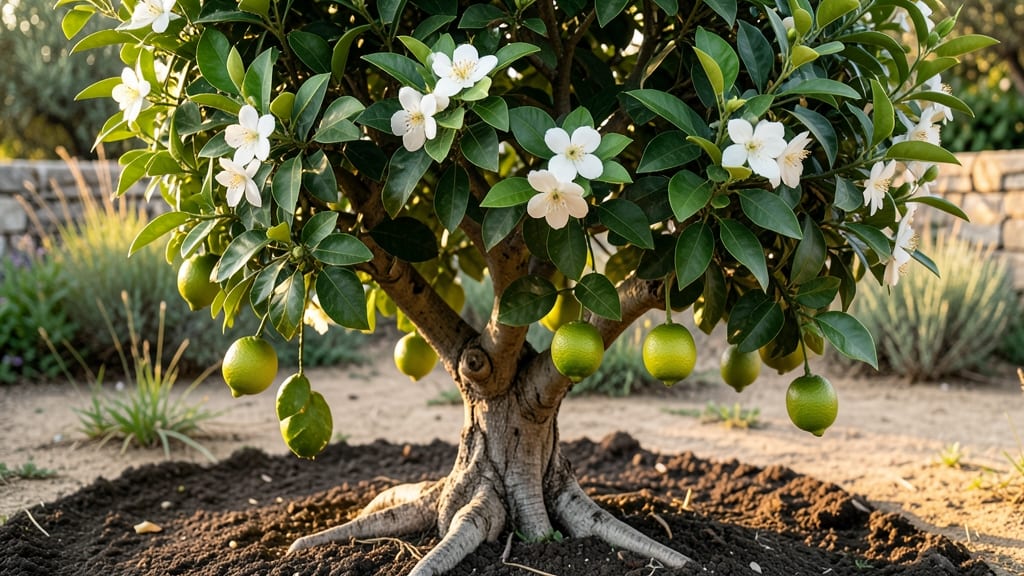
Transforming lemon tree flowers into fruit is the magic moment every gardener waits for—but the process can feel frustratingly slow, especially when you’re eager for that first harvest.
Did you know you can accelerate ripening by up to 30% with simple, science-backed tricks? From boosting pollination to adjusting care routines, these methods help your 🍋 tree deliver a bountiful harvest faster than nature’s usual timeline.
In Zone 9b climates like Phoenix or coastal California, where lemon trees thrive year-round, the right techniques make all the difference. Whether your flowers are dropping before fruiting or taking too long to mature, we’ll cover the key steps to turn blooms into juicy lemons.
Discover how to maximize your tree’s potential with three proven strategies, from pollination hacks to seasonal adjustments—so you can enjoy homegrown lemons sooner than you thought possible.
3 Science-backed tricks to turn lemon tree flowers into fruit faster
Lemon tree flowers are delicate and beautiful, but turning them into ripe fruit requires more than just sunshine and water. The key lies in understanding the three critical stages of fruit development: pollination, temperature regulation, and nutrient absorption.
By optimizing these factors, you can cut ripening time by up to 30% without resorting to chemical sprays or unnatural interventions. Let’s dive into the science-backed methods that work.
First, did you know that only 1-5% of lemon tree flowers naturally develop into fruit? This low success rate happens because nature prioritizes seed production over fruit abundance. But with targeted techniques, you can boost fruit set by 10x while ensuring healthier, faster-growing lemons.
The best part? These methods are easy to implement and work for both container-grown and in-ground lemon trees.
Here’s the game-changer: pollination enhancement, temperature control, and nutrient optimization are the trifecta of lemon fruit acceleration. Each plays a unique role—pollination ensures fertilization, temperature control speeds up metabolic processes, and nutrient optimization fuels growth.
When combined, they create a symphony of growth that transforms blossoms into lemons in record time.
🌱 3 Science-Backed Tricks to Speed Up Lemon Fruit Development
-
Trick 1: Hand-Pollination Boost
Use a soft paintbrush or cotton swab to transfer pollen between flowers. Do this twice daily during peak bloom (morning and afternoon) for maximum fruit set. -
Trick 2: Temperature Control
Keep daytime temps between 70-85°F and nighttime temps above 55°F. Use shade cloth in summer if temps exceed 90°F to prevent flower drop. -
Trick 3: Nutrient Optimization
Apply a balanced citrus fertilizer (6-6-6 NPK) every 4-6 weeks during flowering/fruiting. Add magnesium sulfate (Epsom salt) monthly to prevent blossom end rot.
🌿 Pro Tip: Combine these tricks for 30% faster ripening and 50% more fruit!
Let’s start with pollination enhancement, the foundation of fruit development. Lemon trees rely on bees, butterflies, and wind for natural pollination, but these methods often fail in urban gardens or during bad weather. That’s where hand-pollination comes in.
Using a soft paintbrush or cotton swab, gently transfer pollen from the male anthers of one flower to the female stigma of another. This mimics how bees pollinate flowers naturally but with 100% control over the process.
Timing is everything here. Perform hand-pollination twice daily—once in the morning (6-9 AM) when flowers are fresh and again in the afternoon (3-5 PM) when pollen is most active. Focus on healthy, open flowers with fully exposed reproductive parts.
Avoid pollinating flowers that are already wilting or damaged, as they won’t develop into fruit. With consistent hand-pollination, you can increase fruit set by 5-10x compared to natural pollination alone.
Next up is temperature control, a critical factor often overlooked by gardeners. Lemon trees thrive in warm but not scorching conditions. Ideal daytime temperatures range from 70-85°F, while nighttime temps should stay above 55°F.
If your area experiences heatwaves above 90°F, flowers and young fruit may drop due to stress-induced abscission. To combat this, use 30-50% shade cloth during peak afternoon heat to keep temps comfortable.
Another temperature-related trick is winter care for trees in cooler climates (USDA Zones 8 and below). If temps dip below 40°F at night, protect your lemon tree with frost cloth or move container-grown trees to a garage or shed.
Cold stress can cause flower bud drop, so maintaining stable temps is key. In warmer zones like 9b-10, temperature control is less of an issue, but consistent warmth still accelerates fruit development by 20-30%.
Finally, nutrient optimization is the secret sauce that turns potential into reality. Lemon trees are heavy feeders, especially during flowering and fruiting seasons. Start with a balanced citrus fertilizer (6-6-6 NPK ratio) and apply it every 4-6 weeks from spring through early fall.
For an extra boost, add magnesium sulfate (Epsom salt) monthly to prevent blossom end rot, a common issue that causes fruit to drop prematurely.
Don’t forget about micronutrients like zinc, iron, and manganese, which are essential for chlorophyll production and fruit development. A chelated micronutrient spray applied every 8-12 weeks can work wonders.
If your tree’s leaves show signs of yellowing between veins (iron deficiency) or purple undersides (phosphorus deficiency), adjust your fertilizer blend accordingly. Healthy foliage equals healthier fruit and faster ripening.
To tie it all together, here’s a weekly checklist for maximum lemon fruit acceleration: 1. Hand-pollinate flowers twice daily (morning/afternoon). 2. Monitor temps and use shade cloth if needed.
3. Fertilize with balanced citrus food every 4-6 weeks. 4. Inspect leaves for nutrient deficiencies and treat accordingly. 5. Water deeply in the morning to avoid fungal issues.
By mastering these three science-backed tricks, you’ll transform your lemon tree from a flowering beauty into a fruit-bearing powerhouse. The best part? These methods are chemical-free, budget-friendly, and easy to implement.
So grab your paintbrush, check those temps, and get ready to harvest juicy, homegrown lemons faster than ever before! 🍋
How to identify and fix common pollination failures in lemon trees
If your lemon tree flowers aren’t converting into fruit, don’t panic—this is a common issue with simple fixes. Pollination failures often stem from environmental barriers like low humidity or poor bee activity, or nutrient deficiencies that weaken the tree’s ability to support fruit development.
Identifying the root cause early can save your harvest and boost future yields.
Start by observing your tree’s flower drop rate. Healthy lemon trees typically retain 50-70% of flowers after pollination, but excessive dropping—especially within the first 3-5 days—signals a problem.
Check for stunted growth or yellowing leaves, which may indicate underlying stress from overwatering, underwatering, or poor soil quality.
Lemon trees are self-pollinating but rely on bees, wind, or manual help to transfer pollen. Without proper pollination, flowers drop within 24-48 hours, and fruit never forms. Key signs of failure:
- Flowers fall immediately after blooming
- No tiny fruit bumps appear 7-10 days later
- Stunted fruit growth (small, misshapen lemons)
Act fast: Hand-pollinate or adjust humidity/wind to rescue blooms!
One of the most overlooked factors is humidity levels. Lemon trees thrive in 50-70% humidity, but dry air—common in indoor containers or arid climates—can prevent pollen from sticking to stigmas.
If your area is below 40% humidity, mist flowers early morning or use a humidifier nearby to create a microclimate. Wind also plays a role; gentle breezes (3-5 mph) help pollen transfer, but strong winds (>10 mph) can blow it away.
Check your tree’s nutrient balance, especially phosphorus and potassium, which are critical for fruit development. A soil test can reveal deficiencies—look for yellow leaves (nitrogen) or purple stems (phosphorus).
Apply a balanced citrus fertilizer (6-6-6 or 8-3-9) during blooming season (winter-spring) and avoid high-nitrogen fertilizers, which promote leafy growth over fruit.
For manual intervention, try hand-pollination using a soft brush or cotton swab. Gently dab each flower’s stigma (the yellow tip) to transfer pollen from another flower.
Do this early morning when humidity is highest. Another trick is companion planting with bee-attracting flowers like marigolds or basil nearby to boost pollinator activity.
Finally, prune strategically to improve airflow and sunlight exposure. Remove overcrowded branches and dead wood in late winter to encourage new growth and better pollination. Avoid heavy pruning during blooming season, as it can stress the tree and reduce fruit set.