
Blooming
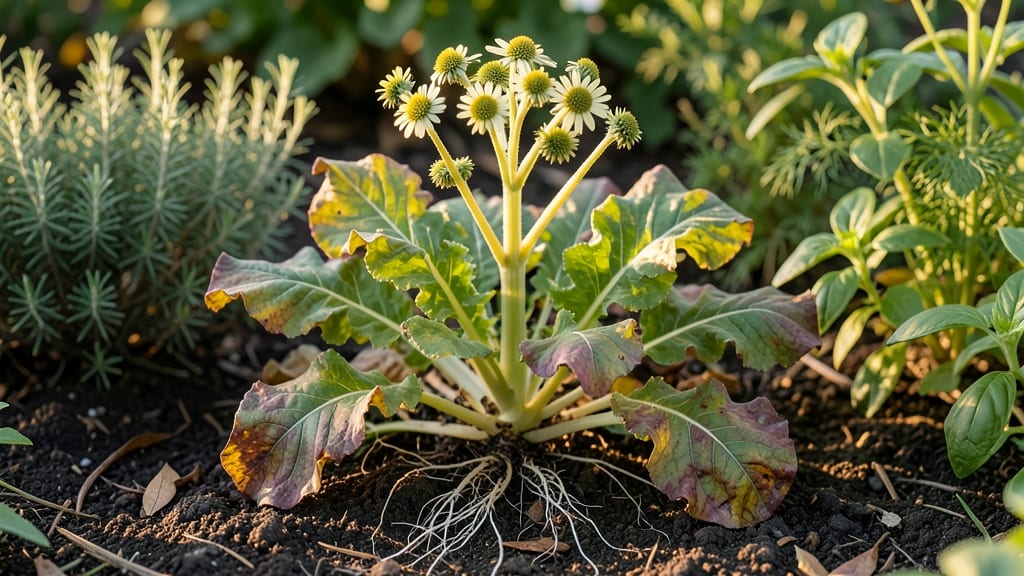
Your lettuce 🥬 is entering the flowering stage when those tall stems shoot up and leaves turn bitter—this is the moment many gardeners panic and wonder if their harvest is ruined.
If your lettuce is suddenly sending up tall stems and bitter leaves, you’re likely dealing with the lettuce flowering stage—a common challenge that can turn your crisp greens into tough, unpalatable stalks.
Understanding why this happens—whether it’s heat, long daylight, or stress—is the key to saving your crop. With the right timing and techniques, you can still enjoy tender leaves even as the plant prepares to bolt.
Below, I’ll walk you through how to spot the signs early, what triggers this stage, and 5 proven methods to delay flowering so you can keep harvesting for weeks longer.
How to identify lettuce flowering stage: key signs & stages
Spotting the lettuce flowering stage early is key to enjoying tender, crisp greens instead of bitter stalks. This stage, called bolting, transforms your salad crop into a woody, inedible mess.
Recognizing the signs helps you act fast—whether by harvesting or adjusting growing conditions. Let’s break down what to watch for and why timing matters.
The lettuce flowering stage begins when your plant shifts focus from leaf production to seed development. This shift is triggered by stress, heat, or long daylight hours. For gardeners, the challenge is to harvest leaves before bolting turns them tough and bitter.
Understanding the stages helps you decide when to pick or take preventive action.
Here’s a quick reference for the visual signs of lettuce flowering and how they progress:
Not all lettuce varieties bolt at the same rate. For example, loose-leaf lettuce like Black Seeded Simpson bolts quickly in heat, while Romaine varieties like Parris Island hold up better.
If you’re growing butterhead lettuce, like Bibb, expect a slightly slower transition to flowering. Knowing your variety helps you plan harvests and prevent waste.
One of the first visual cues of bolting is yellowing leaves, especially along the edges. This happens as the plant redirects energy from leaves to the developing flower stalk.
If you notice this, check the base of the plant for a tall, thick stem emerging from the center. This is your plant’s way of saying, “I’m shifting gears!”
The flower stalk itself is a dead giveaway. It can shoot up to 2 feet tall in just days, topped with small yellow or white flowers. Once this happens, the leaves become woody and bitter, making them unsuitable for salads.
The good news? You can still harvest the outer leaves before the stalk appears to enjoy tender greens.
Timing your harvest is critical. Most lettuce varieties reach maturity in 30-60 days, depending on the type. If you’re growing spring lettuce, aim to harvest before temperatures rise above 75°F (24°C).
For fall crops, extend the season by planting heat-tolerant varieties or using shade cloth to delay bolting.
If you miss the window, don’t despair! Some gardeners let lettuce bolt intentionally to collect lettuce seeds for next year’s garden. Others use the flower stalks as a natural trellis for climbing plants like radishes or peas. Repurposing bolting lettuce keeps your garden productive and reduces waste.
To maximize your harvest, monitor your plants daily during warm weather. Look for early signs of stress, like curled leaves or slowed growth, which can signal impending bolting. Acting quickly—whether by harvesting or adjusting care—helps you enjoy fresh lettuce longer.
🌱
Why does lettuce bolt? Common causes & how to prevent it
Lettuce bolts when it shifts from producing tender leaves to sending up a flower stalk—a natural survival response triggered by environmental stress. This process accelerates when plants sense long daylight hours or rising temperatures, common in late spring or summer.
For gardeners, bolting means bitter leaves and wasted effort, but understanding the causes helps you intervene early.
Heat is the #1 culprit, especially when daytime temps exceed 75°F (24°C) for extended periods. Lettuce is a cool-season crop, so when summer arrives, it perceives the heat as a signal to reproduce.
Even drought stress can push plants into bolting mode, as they prioritize seed production over leaf growth when water is scarce.
Poor soil conditions also accelerate flowering. If your lettuce lacks rich organic matter or has low nitrogen levels, the plant may bolt prematurely. Overcrowded plants competing for nutrients are especially vulnerable, as stress from root competition triggers the same survival response as heat or drought.
⚠️ Lettuce Flowering Stage Warning
Once your lettuce sends up a flower stalk, the leaves will turn bitter and tough within 7-10 days. The key to saving your harvest is acting before you see the first signs—tall stems or yellowing leaves. If you catch it early, you can still salvage outer leaves for salads or soups by harvesting them immediately.
Day length plays a surprising role too. Lettuce is sensitive to photoperiodism, meaning it bolts faster when days exceed 14 hours of light. In northern climates, this happens in late spring, while southern gardeners face it earlier.
Even indoor growers with artificial lighting can trigger bolting if their light cycles run too long.
To prevent bolting, start with shade cloth (30-50% coverage) during peak summer heat. I’ve found that succession planting in partial shade extends harvests by 3-4 weeks. Choose heat-tolerant varieties like 'Black Seeded Simpson' or 'Jericho', which handle warmer temps better than traditional leaf lettuces.
Consistent moisture is critical—never let soil dry out completely. Mulch with straw or compost to retain moisture and cool roots. I also recommend light fertilizing with a high-nitrogen blend (like 5-10-10) every 3-4 weeks to encourage leaf growth over flowering. Avoid over-fertilizing, though, as excess nitrogen can cause other issues.
If your lettuce is already bolting, don’t despair. Harvest the outer leaves first while they’re still tender, and use the center leaves in cooked dishes. For next season, plan to plant lettuce in early spring or late summer when temps stay cooler, and always provide afternoon shade during hot months.
With these adjustments, you can delay bolting by 2-3 weeks or more.