
Blooming
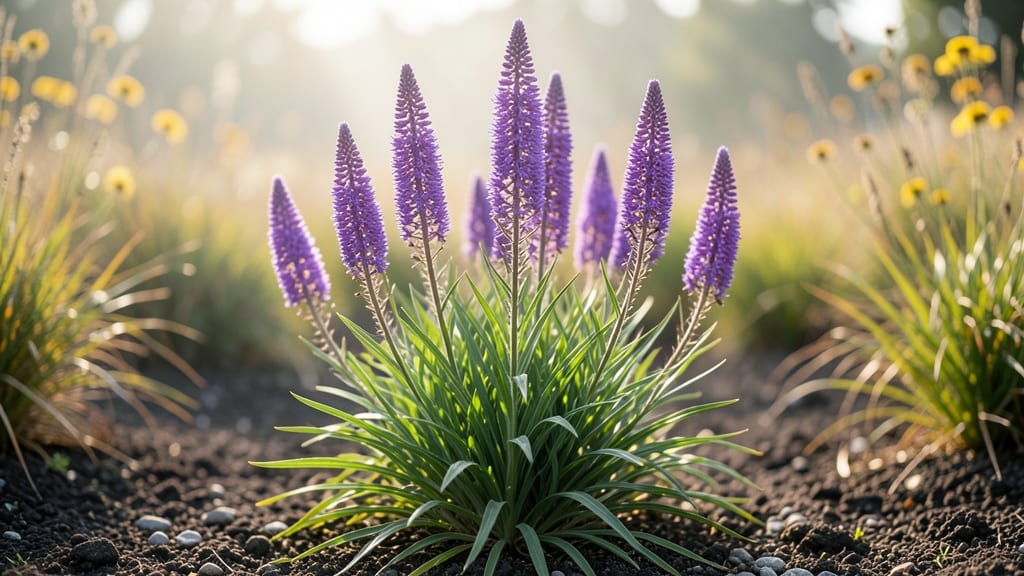
Knowing the liatris flowering time is the difference between a summer garden full of vibrant purple spikes and a patch of green disappointment.
If you’re dreaming of a summer garden bursting with purple, pink, and lavender spikes, timing your liatris flowering time correctly is the secret to success—especially when planting by hardiness zone.
In zone 6a, where many gardeners grow liatris, the blooms typically arrive in July, peaking through September. But climate and care can shift that window by weeks, and that’s where most gardeners miss the mark.
Below, I’ll break down the exact planting schedule by zone, the visual cues to watch for, and the 3 key care tips that extend flowering time—so you can enjoy those striking 🌸 blooms all summer long.
When does liatris bloom: flowering time by zone and variety
Timing your liatris flowering time is key to enjoying those stunning purple plumes in your garden. These native North American perennials—often called blazing stars—typically bloom in mid-to-late summer, but exact timing varies by USDA zone and variety.
Understanding these differences ensures you’ll have vibrant blooms when you want them most.
In USDA Zones 3-5, where winters are colder, liatris often starts budding in early July and peaks in August. Meanwhile, in Zones 6-10, warmer climates can push flowering to June-July or even extend it into early September.
The variety also plays a role—some types like Liatris spicata bloom earlier than Liatris elegans.
Climate matters too. Drought conditions can delay blooms, while consistent moisture during growth encourages earlier and longer flowering. Even humidity levels affect timing—high humidity may slow bud development in hot zones. Let’s break down the specifics by zone and variety to help you plan your garden perfectly.
| USDA Zone | Variety | Peak Bloom Time | Climate Notes |
|---|---|---|---|
| 3-5 | Liatris spicata (Blazing Star) | Late July - August | Cold winters delay early growth; needs full sun. |
| 6-8 | Liatris pycnostachya (Kansas Blazing Star) | June - July | Warmer zones bloom earlier; drought-tolerant once established. |
| 7-10 | Liatris elegans (Elegant Blazing Star) | July - Early September | Humid climates may extend blooms; prefers well-draining soil. |
| All Zones | Liatris spicata 'Kobold' (Dwarf) | August - September | Compact variety; blooms later but ideal for container gardens. |
For gardeners in Zones 3-5, Liatris spicata is the star performer, with its purple plumes lighting up late summer gardens. These varieties thrive in cool climates and often reward patience with longer-lasting blooms if deadheaded regularly.
Plant in spring after the last frost for the best results—liatris dislikes transplanting, so direct sowing is ideal.
In warmer Zones 6-10, Liatris pycnostachya and Liatris elegans shine, often blooming earlier and adapting well to drought conditions. If you’re in Zone 10, you might even see two blooming cycles in a single season!
However, these varieties can struggle in heavy clay soils, so amending with compost is a game-changer for soil health and flowering success.
One pro tip for extending liatris flowering time: Deadhead spent blooms to encourage new flower spikes. This simple task can add 2-4 weeks to your display! Also, mulching around the base in early spring helps regulate soil temperature, which can prompt earlier bud formation in cooler zones.
If you’re planting liatris for cut flowers, aim for mid-July blooms in most zones—they hold beautifully in arrangements and attract pollinators like butterflies and bees. For landscape design, pair liatris with black-eyed Susans or coneflowers to create a long-blooming summer border that keeps color going until frost.
Remember, light levels are non-negotiable for liatris. These plants crave full sun—at least 6-8 hours daily—to produce their best blooms. In shadier spots, you might see fewer flowers or leggy growth.
If your garden is partially shaded, choose a sunnier location or opt for dwarf varieties like 'Kobold' to maximize flowering potential.
Finally, climate anomalies like early heatwaves or late frosts can disrupt flowering. If buds form but don’t open, it might be due to stress from temperature swings.
Providing consistent moisture during dry spells and protection from late frosts (like row covers) can help ensure those showstopping spikes appear right on schedule.
How to time liatris planting for perfect summer blooms
Timing your liatris planting correctly ensures those showstopping purple spikes arrive right when you want them. Since liatris is a perennial that thrives in full sun, getting the timing right—whether you're planting seeds or transplants—makes all the difference for longer flowering seasons.
In USDA zones 3-5, the best time to plant liatris seeds is in the early spring (April) or fall (September), while transplants can go in as early as March once the soil warms.
In zones 6-10, you can push planting to late February for seeds or January for transplants, but avoid planting when frost is still a threat.
Step-by-Step Planting Guide for Liatris
- 🌱 Step 1: Choose Your Planting Method
- 🌱 Step 2: Prepare Soil for Drainage
- 🌱 Step 3: Plant Seeds 1/4" Deep
- 🌱 Step 4: Space Transplants 12-18" Apart
- 🌱 Step 5: Water Deeply After Planting
- 🌱 Step 6: Mulch to Retain Moisture
🌱 Step 1: Choose Your Planting Method – Seeds take 2 years to bloom, while transplants flower the first year.
🌱 Step 2: Prepare Soil for Drainage – Mix in sand or perlite to prevent root rot in heavy clay.
🌱 Step 3: Plant Seeds 1/4" Deep – Press lightly and keep soil moist but not soggy.
🌱 Step 4: Space Transplants 12-18" Apart – Liatris grows 3-5 feet tall and needs room to thrive.
🌱 Step 5: Water Deeply After Planting – Use 1 gallon per plant to encourage root growth.
🌱 Step 6: Mulch to Retain Moisture – Apply 2-3 inches of mulch to protect roots and suppress weeds.
For fall planting, aim for 6-8 weeks before the first frost in your zone. This gives roots time to establish before winter dormancy. In warmer zones (7-10), you can even plant liatris in late winter (January-February) for earlier blooms.
Once planted, liatris thrives with minimal care. Focus on deadheading spent blooms to encourage more flowers and avoid overwatering—these plants are drought-tolerant once established. With the right timing, you’ll enjoy vibrant blooms from July through September.
Pro tip: If you want to extend the flowering season, plant multiple varieties like Liatris spicata (tall spikes) and Liatris elegans (shorter, earlier blooms). This creates a staggered display that lasts all summer long.