
Planting
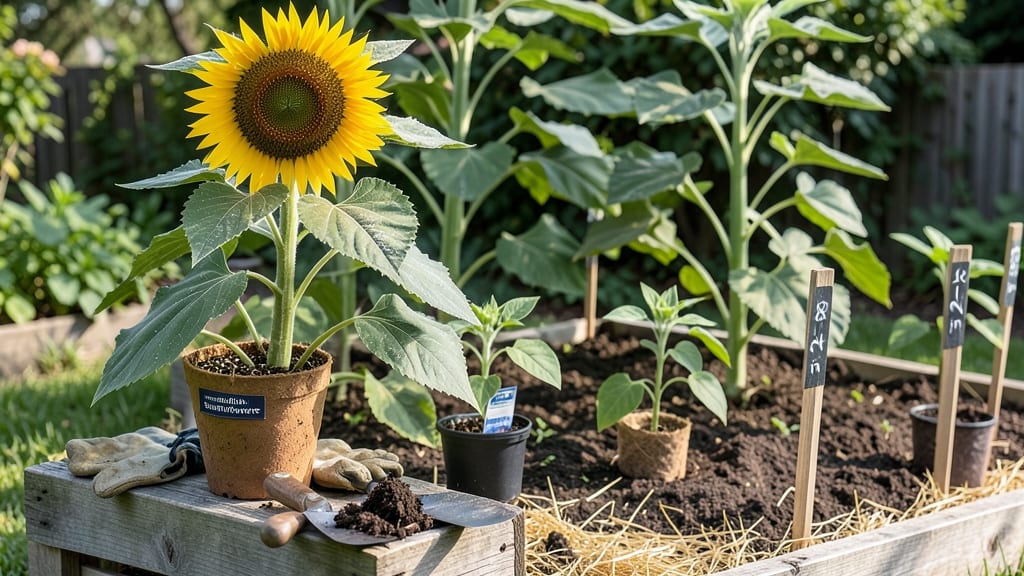
Spacing mammoth sunflowers correctly is the secret to growing those 12-foot giants without weak stems or disease — and yes, it’s as critical as the soil prep.
Picture this: You’ve just planted your 🌻 mammoth sunflowers in April, dreaming of towering blooms by summer, only to watch them lean like drunkards or snap in the first wind. That’s the difference between 18 inches apart and a crowded mess.
Most gardeners assume "more space = better," but it’s not just about the numbers. The right spacing keeps airflow humming, prevents root battles, and gives each plant room to drink deep without competing. And let’s be honest — no one wants a sunflower that looks like it’s playing musical chairs.
Below, I’ll break down the exact spacing rules for rows, clusters, and containers, plus how to fix common mistakes before they turn your sunflowers into a sickly jungle. Ready to grow giants that stand tall?
Mammoth sunflower spacing guidelines: how far apart to plant for maximum growth
Growing mammoth sunflowers like the 'Russian Giant' or 'Mammoth Russian' varieties requires precision—especially when it comes to spacing. These giants can reach 12–14 feet tall, so cramming them too close leads to weak stems, fungal diseases, and blooms that lean like drunkards in a windstorm.
The 18–24 inch spacing rule isn’t arbitrary; it’s the sweet spot for balancing sunlight competition, root development, and wind resistance.
Think of your sunflowers like skyscrapers: they need room to drink deep without competing for water, breathe to prevent mold, and stand tall without toppling. Overcrowding turns your garden into a jungle of tangled stems and half-sized blooms—no one wants that.
But spacing too wide wastes space and reduces yields. Let’s break down the exact guidelines for your planting method, whether you’re growing in raised beds, containers, or open ground.
For in-ground planting, the 18–24 inch rule is your golden standard. This spacing ensures each 'Russian Giant' has enough room to develop a sturdy taproot and broad canopy without shading its neighbors.
Pro tip: Plant in north-south rows to maximize sunlight exposure and minimize leaf diseases like powdery mildew, which thrives in crowded, damp conditions.
If you’re using raised beds, you can tighten the spacing to 12–18 inches because the controlled soil volume reduces competition. Just ensure your bed is at least 12 inches deep—mammoth sunflowers need deep roots to support their height.
Add a 3-inch layer of compost before planting to give those roots a nutrient-rich head start.
Container gardening with mammoth sunflowers? One plant per pot is non-negotiable. Choose containers with at least 5+ gallons of capacity and add a trellis or bamboo stake at planting time.
These giants will outgrow their pots quickly, so avoid overwatering—they’re drought-tolerant once established but hate soggy roots. A well-draining mix with perlite or vermiculite is key.
Wind is the silent enemy of mammoth sunflowers. In exposed areas, increase spacing to 24–36 inches and plant in clusters of 3–5. This creates a natural windbreak while allowing airflow between plants.
For extra support, bury 3-foot stakes at planting and tie stems loosely with soft plant ties—this prevents snapping in storms and encourages vertical growth.
Soil competition is another spacing secret. Mammoth sunflowers are heavy feeders, so their roots need room to explore and absorb nutrients. If you’re planting near other deep-rooted plants like corn or tomatoes, give them at least 2 feet of separation. Sh
Common mistakes in mammoth sunflower spacing (and how to fix them)
Even experienced gardeners can fall into spacing traps with mammoth sunflowers. The most common mistake? Planting them too close together—often just 12 inches apart—when they need 18–24 inches to avoid competition.
This leads to stunted growth and weak stems that snap in wind or rain. I’ve seen entire rows collapse because the plants were crowded like sardines in a can.
Another frequent error is ignoring container spacing rules. Many assume large pots mean more freedom, but even in 20-gallon containers, you should space seeds 6–8 inches apart—not 4 inches.
Too close, and roots tangle, causing yellowing leaves and poor nutrient uptake. Even worse? Some gardeners plant mammoth sunflowers in single rows without considering wind exposure, leading to dramatic leans.
Here’s the kicker: Humidity makes spacing mistakes deadly. In damp climates, crowded plants trap moisture, creating the perfect breeding ground for powdery mildew and stem rot. I’ve pulled up entire patches of sunflowers because they were so diseased from poor airflow.
⚠️ High-Humidity Warning
If your area gets consistent humidity (like the Southeast or Pacific Northwest), space mammoth sunflowers 24 inches apart—even in rows. Crowding in damp conditions = fungal infections that turn leaves to mush. Thin immediately if you see white powdery spots or black stem lesions.
Let’s fix these mistakes with quick, actionable steps. First, if your sunflowers are already crowded, thin them now. Use sharp shears to cut stems at the base, leaving the strongest 2–3 plants per 3-foot square.
This might feel brutal, but it’s better than watching them all flop over.
For wind-prone areas, add stakes or cages (like tomato cages) as soon as stems hit 12 inches tall. Tie them loosely with soft garden twine—no need to strangle them.
If you’re growing in containers, upgrade to 24-inch diameter pots for single plants, or use fabric grow bags to prevent root circling.
Finally, prune lower leaves to improve airflow. Remove any leaves touching the soil or rubbing against neighbors. This might seem counterintuitive, but it reduces disease risk and helps the plant focus energy on stem strength and flower production.
Think of it as giving your sunflowers a spa day—less clutter, more glory.