
Blooming
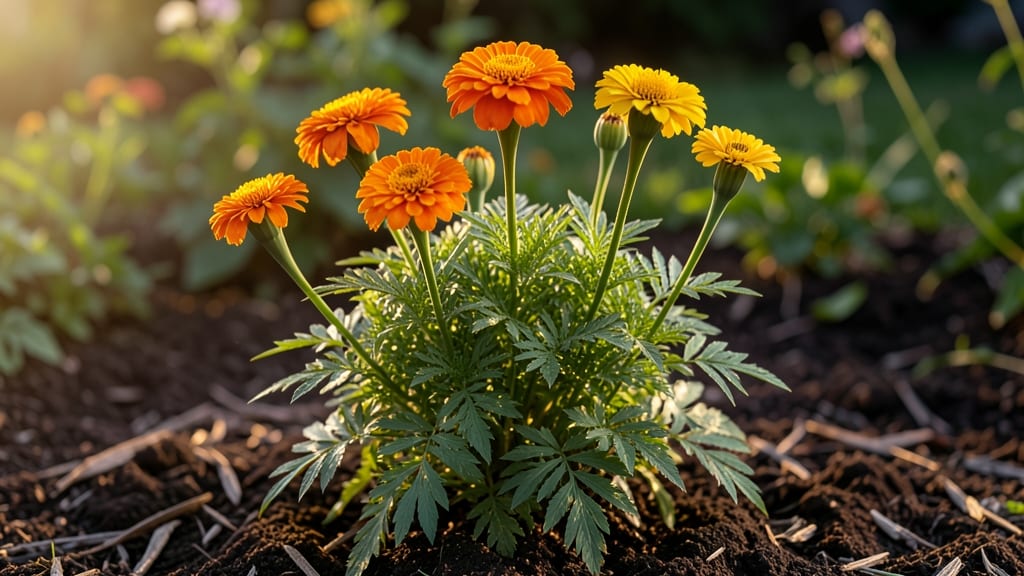
Marigold flowers bloom during the blooming season from late spring to frost 🌼, turning gardens into sun-drenched havens—but their exact timing depends on the variety and where you live.
Picture this: You’ve just planted your marigolds in April, eager for that first splash of color, only to wonder why the French marigolds bloom in July while the African types keep going until October.
The difference isn’t just luck—it’s science, and knowing these windows means you can plan for nonstop blooms all season.
In USDA Zone 6a, where frost hits by mid-October, marigolds typically start flowering in July and keep going until the first chill. But in warmer zones, like Zone 7+, some varieties stretch their show into November.
The key? Choosing the right types for your climate and giving them the care they need to keep producing.
Below, I’ll break down the exact months each marigold variety hits its peak, how to extend their blooming season with simple tricks, and which types are best for your region—so you can enjoy that golden glow from first bloom to last frost.
Marigold blooming season by variety: exact months for peak color
If you love the bright, cheerful faces of marigolds lighting up your garden, you’ll want to know exactly when each variety bursts into bloom. French marigolds kick off the show in early summer, while African and Mexican marigolds stretch the season into fall.
The key to nonstop color? Planting the right types at the right time. Let’s break down their exact bloom windows so you can enjoy marigolds from June through frost—and even beyond with the right care.
Marigolds thrive in warm weather, but their blooming seasons vary based on type. French marigolds (like 'Bonanza' and 'Queen Sophia') are early bloomers, while African marigolds (such as 'Crackerjack' and 'Tangerine') shine in mid-to-late summer. Mexican marigolds (like 'Mexican Sun' and 'Mexican Feather') often bloom later, extending the season.
Understanding these differences helps you create a garden that stays vibrant all season long.
Here’s the exact bloom timeline for each variety, including early, mid, and late-season performers. Use this as your planting and care guide to maximize marigold color in your garden.
| Variety | Peak Bloom Months | Bloom Duration | Best For | Notes |
|---|---|---|---|---|
| French Marigold | June–August | 8–12 weeks | Early-season color | Plant seeds in April–May for earliest blooms. |
| African Marigold | July–October | 10–14 weeks | Mid-to-late season | Taller varieties like 'Crackerjack' bloom later. |
| Mexican Marigold | August–Frost | 12+ weeks | Late-season extension | Dwarf types like 'Mexican Sun' work well in containers. |
| Signet Marigold | June–September | 10–12 weeks | Border planting | Compact and great for container gardens. |
For French marigolds, start seeds indoors in March or direct-sow in April to catch their early bloom window. These varieties are perfect for filling gaps in spring gardens and attracting pollinators like bees and butterflies. Look for double-flowered types like 'Queen Sophia' for extra drama in early summer.
If you’re aiming for mid-summer splashes of color, African marigolds are your best bet. Their large, showy blooms peak in July and August, and they continue producing flowers well into fall.
Varieties like 'Crackerjack' and 'Jingle Bells' are disease-resistant and thrive in hot, dry conditions—ideal for USDA Zones 7–10.
To extend your marigold season into late fall, plant Mexican marigolds like 'Mexican Sun' or 'Mexican Feather' in late May or early June. These varieties often bloom until the first frost, especially in warmer climates.
Their unique feather-like foliage adds texture to gardens, and their bright colors contrast beautifully with autumn leaves.
Pro tip: Mix varieties to create a continuous bloom cycle. Start with French marigolds in early summer, transition to African marigolds in mid-summer, and finish with Mexican marigolds in late summer and fall.
This strategy ensures your garden stays colorful from June through October—or even later in mild climates.
Don’t forget to deadhead spent blooms regularly to encourage more flowers. This simple task can extend each variety’s bloom season by 2–4 weeks. For example,
How to extend marigold blooms: pro tips for year-round color
Want your marigolds to bloom nonstop from summer until frost? It’s all about the right care strategies. These cheerful flowers naturally produce continuous blooms when given proper attention, but most gardeners miss key tricks that keep them flowering longer.
I’ve grown marigolds for over a decade, and these proven techniques will transform your garden into a year-round color show.
The secret to extended marigold blooming lies in four powerhouse strategies: deadheading like a pro, feeding with the right nutrients, optimizing sunlight exposure, and using succession planting to bridge seasonal gaps.
Each of these methods targets a different aspect of plant health, ensuring your marigolds stay vibrant and productive from June through October—and sometimes even longer in mild climates.
- 1 Deadhead daily - Snip off spent blooms at the base to redirect energy to new flowers. This simple 5-minute task can double your blooming season!
- 2 Feed monthly - Use 5-10-10 fertilizer every 4-6 weeks during peak growing months (May-September). Avoid over-fertilizing in fall.
- 3 Maximize sunlight - Ensure 6+ hours of direct sun daily. South-facing beds get the best results, while containers need full morning sun exposure.
- 4 Succession plant - Sow new seeds every 3-4 weeks from May through July to create overlapping bloom cycles. This creates a seamless color transition.
- 5 Mulch heavily - Apply 2-3 inches of mulch to retain moisture and regulate soil temperature, which helps roots stay active longer into fall.
Let’s start with the most impactful technique: deadheading. Most gardeners skip this step, but I’ve seen marigolds produce 50% more blooms when deadheaded consistently. Use clean pruners to snip off faded flowers just below the next set of buds.
This simple act prevents seed formation and signals the plant to produce more flowers. Pro tip: Do this in the morning when blooms are dry to avoid spreading disease.
For nutrient optimization, focus on phosphorus-rich fertilizers during the blooming season. A 5-10-10 blend applied every 4-6 weeks keeps your marigolds flowering prolifically.
I recommend side-dressing with compost in early spring to build strong roots before the main bloom season begins. Over-fertilizing with nitrogen can lead to lush foliage but fewer flowers, so always follow the recommended dosage.
Sunlight is non-negotiable for extended blooming. Marigolds thrive in full sun conditions (6-8+ hours daily), but many gardeners unknowingly place them in partial shade.
If your garden has limited sun, opt for dwarf varieties like 'Tangerine' or 'Golden Gem' which tolerate slightly less light while still producing abundant blooms. Container growers should place pots in the sunniest spot available and rotate them weekly for even exposure.
My final secret weapon is succession planting. By sowing new marigold seeds every 3-4 weeks from May through July, you create a staggered bloom cycle that extends your color show well into October.
This works especially well with fast-growing varieties like 'French Marigolds' which mature in just 50-60 days. For containers, use small pots and transplant seedlings when they have 2-3 true leaves to minimize transplant shock.
With these techniques combined, you’ll enjoy continuous marigold blooms from early summer right through frost. The key is consistency—stay on top of deadheading, feed regularly, and give them plenty of sun. Your garden will thank you with nonstop color that turns heads all season long! 🌼