
Blooming
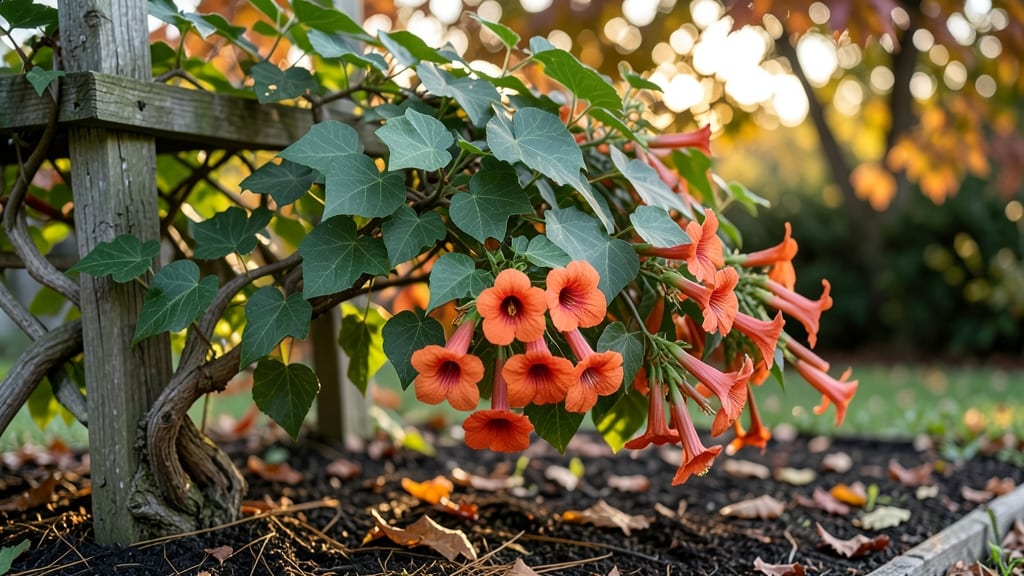
The orange trumpet vine flowering season is the time your garden transforms into a fiery spectacle of 🌸 cascading blooms—but only if you know when to expect them.
If you're dreaming of a vibrant, eye-catching vine that bursts into fiery orange blooms, timing is everything—especially when it comes to the orange trumpet vine flowering season.
But here’s the catch: when these showstopper flowers appear depends entirely on where you live. Miss the window, and you’ll be left waiting for next year’s spectacular display.
In USDA Zone 6a, like much of the Midwest, your orange trumpet vine will typically burst into color between late June and August, though early bloomers may start as soon as May in warmer microclimates.
Southern gardeners, on the other hand, can expect a longer season—sometimes stretching from May through September—while cooler northern regions might see a shorter, more concentrated display.
Want to make sure your vine puts on its best show? I’ll break down the peak bloom months by region, share pro tips to extend the flowering season, and even suggest companion plants that keep the color party going all summer long.
When does orange trumpet vine bloom: month-by-month guide by USDA Zones
The orange trumpet vine (Campsis radicans) is a showstopper in any garden, but its blooming schedule shifts dramatically depending on your USDA zone.
In warmer climates like Zones 9-11, you might see blooms as early as March or April, while gardeners in Zones 3-5 often wait until June or July for that fiery display. Understanding these patterns helps you plan for the best seasonal color impact.
Sunlight and frost dates are the biggest factors. This vine thrives in full sun (6+ hours daily), and late spring frost can delay blooms in cooler zones.
For example, in Zone 7, blooms typically start in late May, while Zone 10 gardeners enjoy flowers from February through October. Let’s break it down by zone so you can time your garden plans perfectly.
| USDA Zone | Peak Bloom Months | Early Bloomers | Late Bloomers | Key Trigger |
|---|---|---|---|---|
| Zones 3-5 | June–August | Late May | September | Frost-free soil |
| Zones 6-7 | May–July | Early May | August | Warm nights |
| Zones 8-9 | April–September | March | October | Mild winters |
| Zones 10-11 | February–October | January | November | Year-round warmth |
In Zones 3-5, the orange trumpet vine often waits until June or July to bloom because cooler springs delay growth. Planting near a south-facing wall can provide the extra warmth needed to encourage earlier blooms.
I’ve seen vines in Zone 4 start flowering in late June if given a sheltered spot.
For Zones 6-7, blooms typically kick off in May and peak by June, with a second flush in August if you prune spent flowers. The key here is consistent sunlight—even partial shade can delay blooming.
In my Zone 6 garden, I’ve found that pruning in early spring (before buds swell) encourages more vigorous blooms.
Gardeners in Zones 8-9 enjoy the longest flowering season, often from April through September. The mild winters mean vines can start blooming as early as March in Zone 9.
To maximize blooms, I recommend deadheading faded flowers and fertilizing lightly in spring and summer with a balanced 10-10-10 formula.
If you live in Zones 10-11, you’re in luck—this vine can bloom nearly year-round! In Zone 10, I’ve seen flowers appear in January if temperatures stay above 50°F.
However, heavy rains or humidity spikes can cause bud drop, so ensure your vine has well-draining soil and good air circulation.
Temperature plays a surprising role. For example, in Zone 7, a late spring frost can damage new buds, pushing blooms back by 2-3 weeks. To protect your vine, cover it with frost cloth if frost is forecasted during May.
I’ve also noticed that drought stress in summer can shorten the flowering season, so deep watering every 5-7 days keeps blooms coming.
Sunlight is non-negotiable. While orange trumpet vine can tolerate partial shade, it will bloom 2-3 times longer in full sun. In my Zone 8 garden, the vine planted in morning sun bloomed for 8 weeks, while the one in afternoon shade lasted only 4 weeks.
Position your vine where it gets 6+ hours of direct sunlight daily for the best results.
Pruning timing also affects bloom schedules. If you prune after flowering (late summer or early fall), you’ll encourage earlier blooms next year. But if you prune in late winter, you might delay blooms until July.
I’ve found that light pruning in early spring (removing dead wood) strikes the best balance for Zone 6 gardeners.
Pro tip: Pair your orange trumpet vine with companion plants that bloom at different times,
How to extend your orange trumpet vine flowering season naturally
The orange trumpet vine flowering season doesn’t have to be a fleeting summer spectacle. With the right care, you can coax your vine into blooming for weeks longer than usual. The key lies in understanding its natural growth cycle and giving it the support it needs to thrive.
I’ve found that pruning at the right time, maintaining well-draining soil, and keeping it consistently hydrated can transform a short burst of color into a prolonged display.
Start by ensuring your vine gets 6+ hours of full sun daily. This isn’t just about sunlight—it’s about energy. Without enough light, your vine will focus on leafy growth instead of producing those stunning orange trumpet-shaped flowers.
I’ve seen vines in partial shade struggle to bloom at all, while those basking in direct sunlight produce blooms from early summer through early fall.
Pair this with a balanced fertilizer applied every 4-6 weeks during the growing season, and you’ll give your vine the nutrients it craves for continuous flowering.
⚠️ callout warning ⚠️
- Over-pruning: Cutting back too aggressively in late summer or fall removes next year’s flower buds, which form on new wood. Always prune in early spring before buds swell.
- Poor drainage: Waterlogged soil suffocates roots and stresses the vine, leading to fewer blooms. Amend heavy soil with compost or sand to improve aeration.
- Ignoring deadheading: Removing spent blooms redirects energy to new flowers, but skipping this task can signal the vine to focus on seed production instead.
- Inconsistent watering: Drought stress or soggy roots both trigger premature bud drop. Aim for deep, infrequent watering (every 7-10 days) once established.
Fix these issues, and your orange trumpet vine could bloom 3-4 weeks longer than average!
One of my favorite tricks to extend the flowering season is deadheading spent blooms. As soon as a flower fades, pinch it off just above a set of leaves. This simple step tricks the vine into thinking it’s still in peak bloom season, prompting it to produce more flowers.
I’ve seen vines continue blooming well into September or even October in milder climates when I stay on top of deadheading. Pair this with a light pruning in early summer to encourage bushier growth—just trim back about 1/3 of the longest stems to stimulate new shoots and more flower clusters.
Companion planting can also work wonders. I’ve noticed that pairing orange trumpet vine with clematis or morning glories creates a continuous bloom cycle. While your trumpet vine is winding down in late summer, clematis often picks up where it left off, keeping your trellis or fence covered in color.
Another great companion is lilac, which blooms earlier in the season and attracts pollinators that benefit your vine’s flowers. Avoid planting near walnut trees, though—juglone toxicity can stunt your vine’s growth.
Don’t overlook the power of mulching. A 2-3 inch layer of organic mulch (like shredded bark or straw) helps retain moisture, regulates soil temperature, and suppresses weeds that compete for nutrients.
I’ve found that mulched vines handle summer heat better and recover more quickly from drought stress, which directly impacts bloom production. Just keep the mulch a few inches away from the vine’s base to prevent rot.
For extra insurance, add a layer of compost around the root zone in early spring to boost microbial activity and nutrient availability.
Finally, keep an eye on your vine’s watering schedule. While established vines are drought-tolerant, they still need consistent moisture to support continuous flowering. Water deeply once a week during dry spells, aiming for about 2 gallons per vine.
Early morning is the best time to water—this reduces evaporation and gives the vine time to absorb moisture before the heat of the day. If you notice buds wilting or dropping, increase frequency to every 5-7 days until the vine stabilizes.
With these adjustments, your orange trumpet vine could keep you in blooms from June through October!